
Ten wpis jest również dostępny w języku:
 Polski
Hey! 
Early March wasn’t exactly the kind of weather that made us want to jump on the bike and head off somewhere around Poland. So instead of waiting for a better moment, we took advantage of one of the flight deals and flew to Morocco — our second country in Africa. This time, we went with Marrakesh. If it’s your first time heading there too, you’re in the right place, because after this trip we came back with a few observations that are genuinely worth sharing.
Where is Marrakesh located?
Marrakesh sits right in the middle of the country, on the Haouz plain, almost at the foot of the Atlas Mountains. That’s one of the first things that makes it stand out — on one side, you’ve got a dense, fast-moving city, and on the other, it only takes a short trip to end up in a completely different world of mountain valleys. That closeness to the High Atlas is one of the things that really sets Marrakesh apart from other Moroccan cities.
This isn’t just another pin on the map to tick off. Marrakesh has more than a thousand years of history behind it — it was founded in the 11th century — and for centuries it was a major centre of power that shaped politics and culture across this part of the world. You can still feel that weight today. It doesn’t come across as a hollow tourist backdrop, but as a city with real substance and its own character.
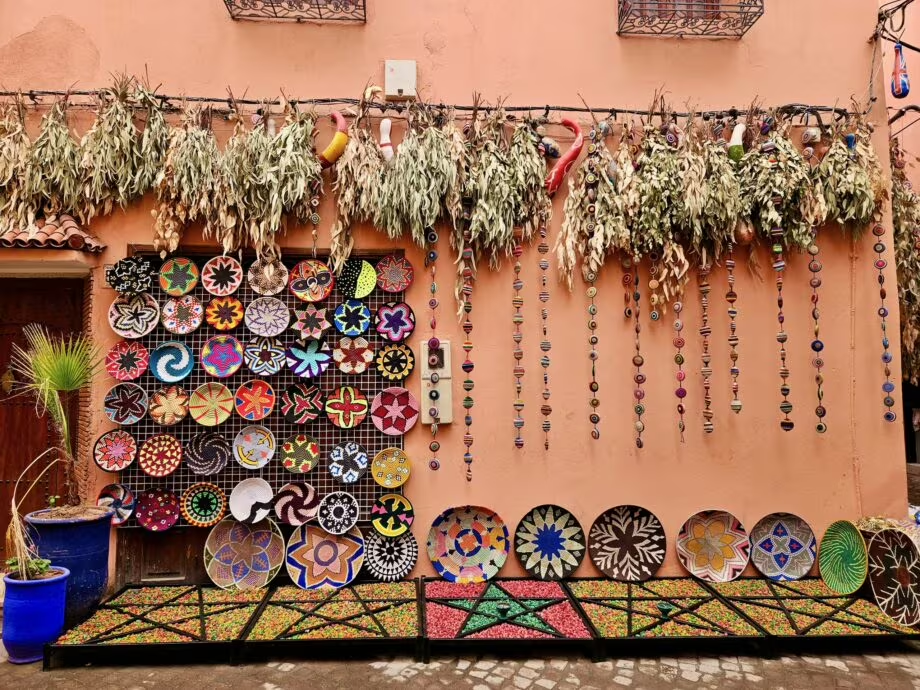
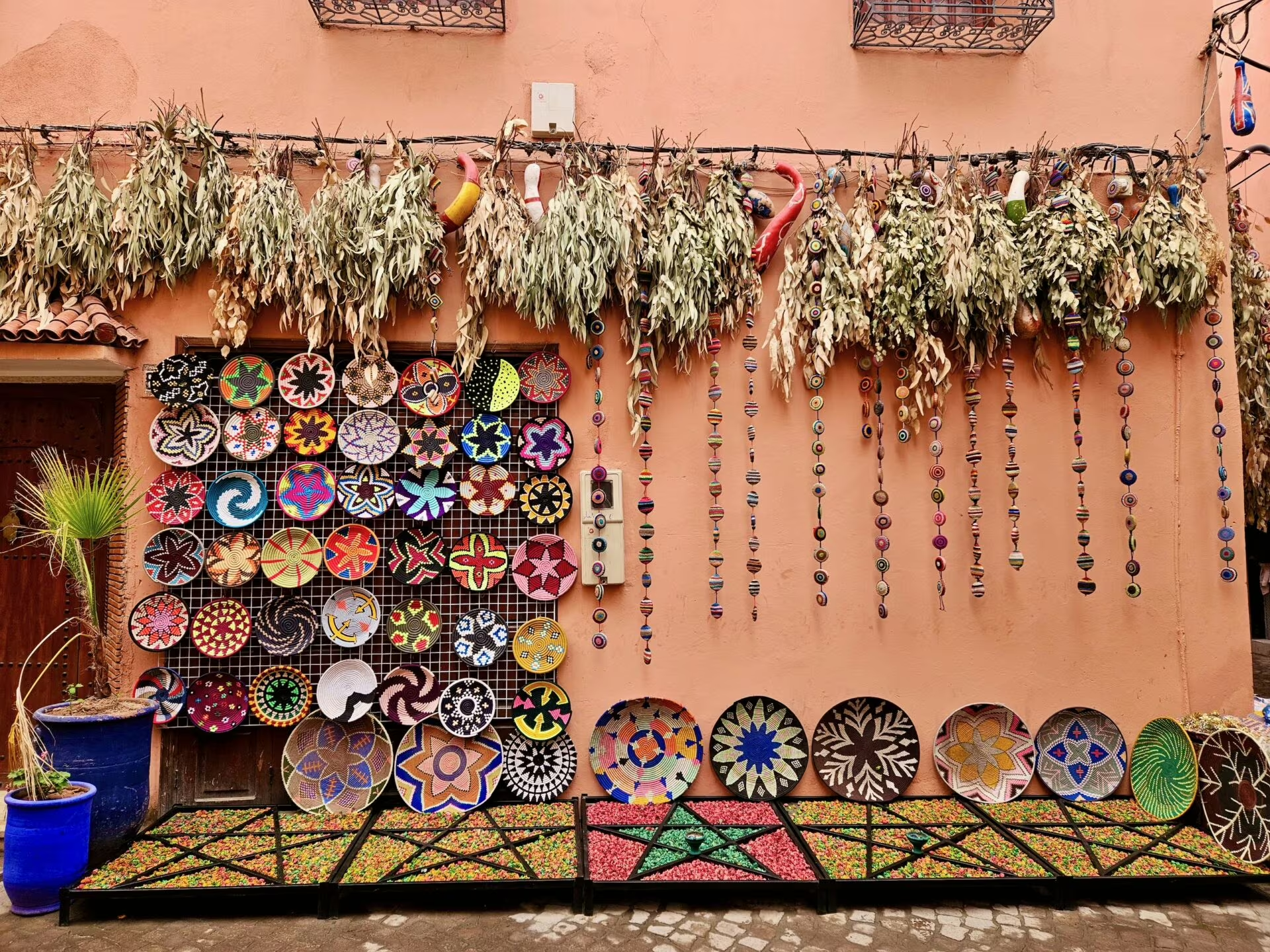
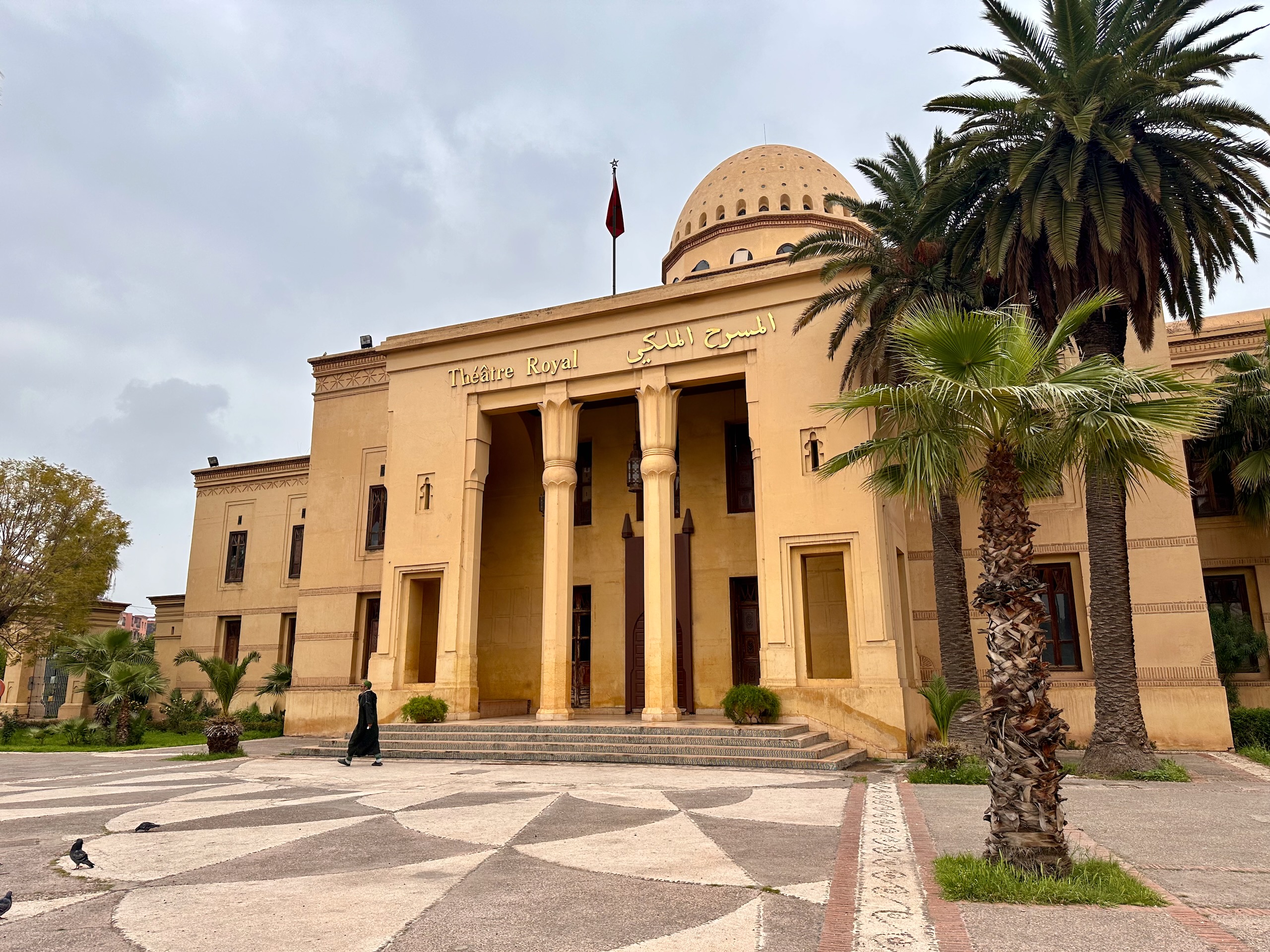
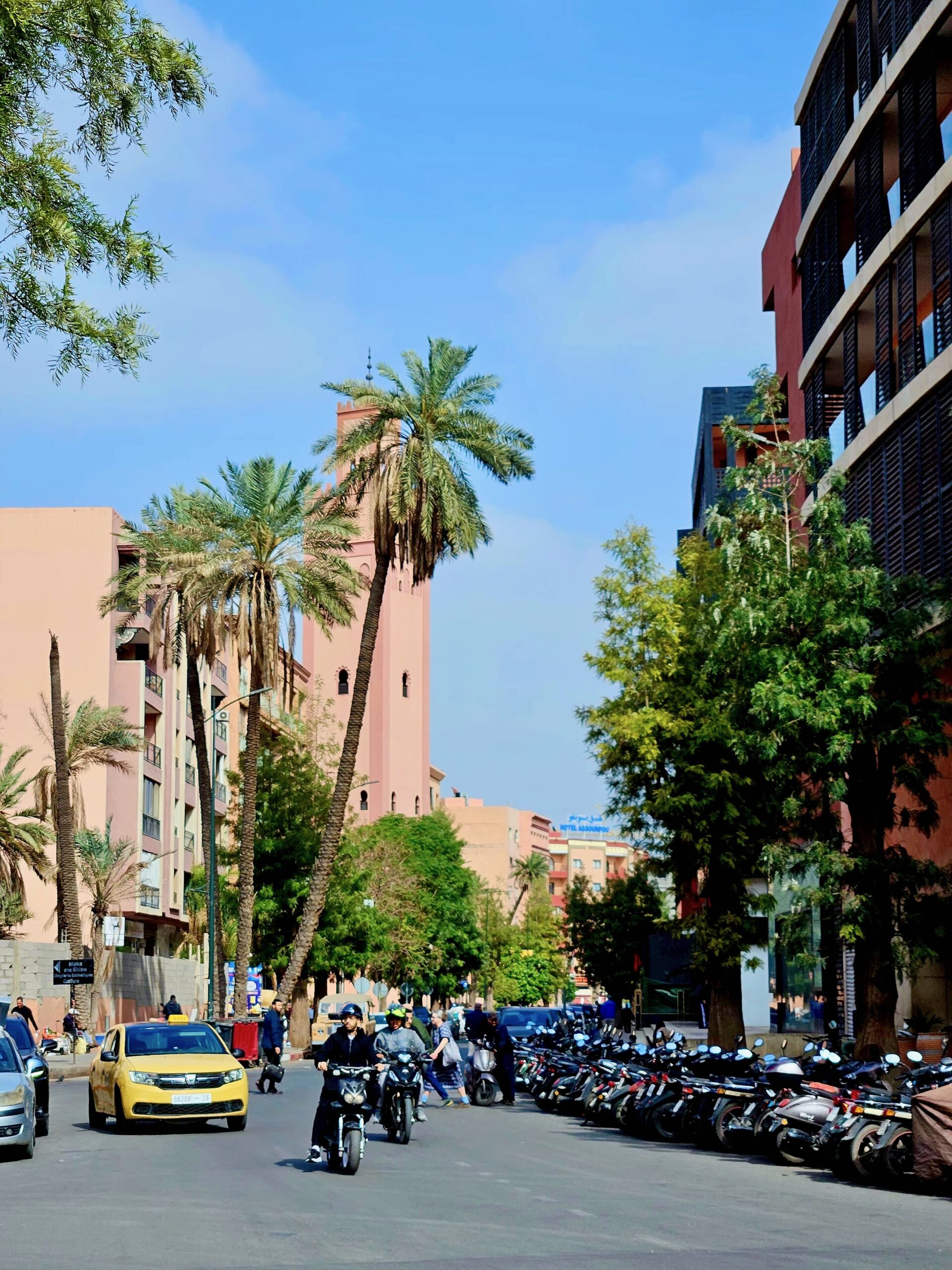
You’ve probably heard Marrakesh called the “Red City” more than once. And honestly, that’s not just some cheap marketing line from a brochure. The medina, the walls, and a lot of the buildings are all kept in those distinctive red and earthy tones. It gives the whole place a very specific atmosphere, especially around sunset. It’s also one of the city’s defining features, not just something people say for effect.
That’s probably why Marrakesh gets under people’s skin so quickly. It’s not a seaside resort made for slow walks and easy days, but a place that throws you straight into its own rhythm — dust, colours, strong smells, and noise. You get the feeling you’re close to the more real side of Morocco, not just the postcard version. And the fact that the mountains and Berber villages start not that far away only adds to it.
How did we get to Morocco?
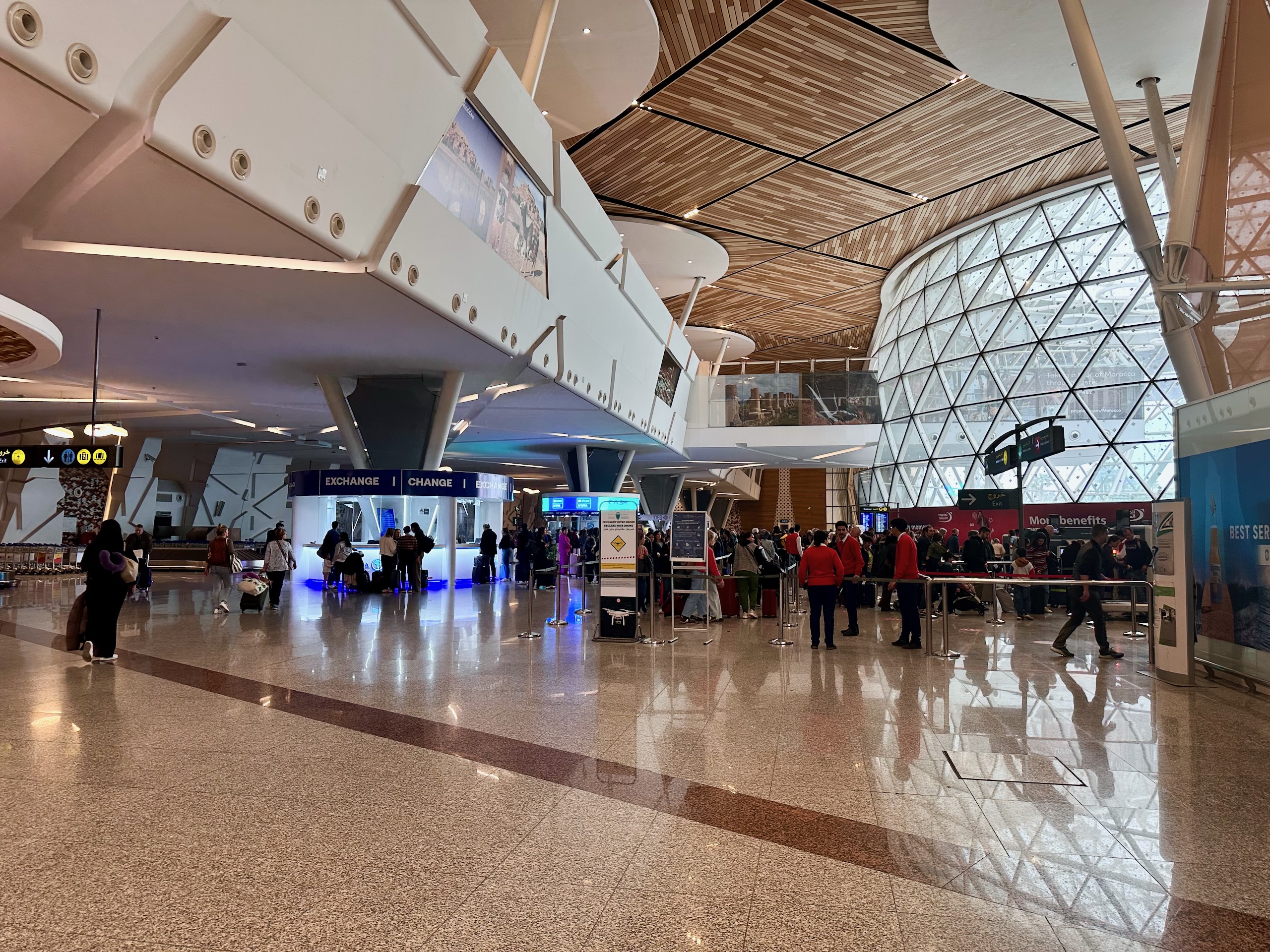
We flew direct from Warsaw with LOT. Our ticket was around 800 PLN per person. Sure, you can do it cheaper — Wizz Air sometimes comes out with better deals — but this time convenience won. The fare included a regular carry-on bag up to 8 kg plus a small item under the seat, so for a city break we packed without any awkward reshuffling or paying extra for every last centimetre of luggage. The flight to Marrakesh was direct and took about five hours.
As for comfort — let’s be honest. It’s a direct flight, which is great, but you’re still spending about five hours on a regular Boeing 737. If you’re not a fan of sitting that long in a fairly tight layout, be ready for a small test of patience. It’s absolutely manageable, but it’s still a standard narrow-body aircraft, not a wide-body jet built for long-haul comfort.
The weakest part turned out to be the food. You can choose a meal preference when booking, so we expected at least something decent. Well… not really. On flights under six hours, LOT serves water, drinks, and a “snack.” In practice, that meant a pretty poor sandwich in one direction, and in the lactose-free version some kind of wrapped creation that looked more like a random filler than an actual meal.
The flight back was even better, in the worst possible way — a dry, nearly empty baguette with a very symbolic amount of anything inside. We had specifically ordered the “Hindu meal,” hoping for something more substantial, but that turned out to be a complete miss, and there was no real alternative. Don’t get us wrong, it didn’t ruin the trip, but here’s our advice for the future: if you don’t want to spend five hours hungry, eat properly at the airport or bring your own food. It’s just not worth the frustration of relying on those so-called in-flight treats.
Visas and documents
The good news first: as Polish citizens, we have a pretty straightforward setup when it comes to Morocco. If you’re flying in as a tourist and don’t plan to stay longer than 90 days, you don’t need a visa. The main thing is simple — you need a passport. Your national ID card won’t help you here, so you can leave it at home. Just make sure your passport is valid for at least three months from the date of entry.
As for any extra forms or Covid-related requirements, things are currently straightforward. Morocco has dropped all those health forms and paperwork. It’s still worth checking again before you fly, because entry rules can always change, but at the moment there’s no extra hassle involved.
One important note for drivers: if you’re planning to rent a car, your Polish driving licence is enough on its own — you can use it for up to a year from entry. Officially, an International Driving Permit isn’t required, but… in our opinion, it’s still worth having. In Morocco, French and Arabic are what you’ll mostly come across in offices and rental companies. If you end up dealing with someone who doesn’t really speak English, a document with French descriptions — which you get in an IDP — can save you a lot of time and awkward hand gestures during a check. We actually covered how to get one in a separate post.
One last small tip: border officers can theoretically ask you to show proof that you have enough funds for your stay. In practice, it doesn’t seem to happen very often, but it’s still worth having a card handy or being able to pull up your bank app and show that you can cover the trip. Better to know that rule exists than to be surprised at the counter.
Accommodation
We split our stay in Morocco in a pretty sensible way: Marrakesh first, then two nights in Essaouira, and one final night back in Marrakesh before flying out. And honestly? It worked really well. We had a rental car, so we didn’t want to do that classic “return the car and head straight to the airport” gamble. If anything had gone wrong on the way back from the coast, we had a safe buffer before the flight.
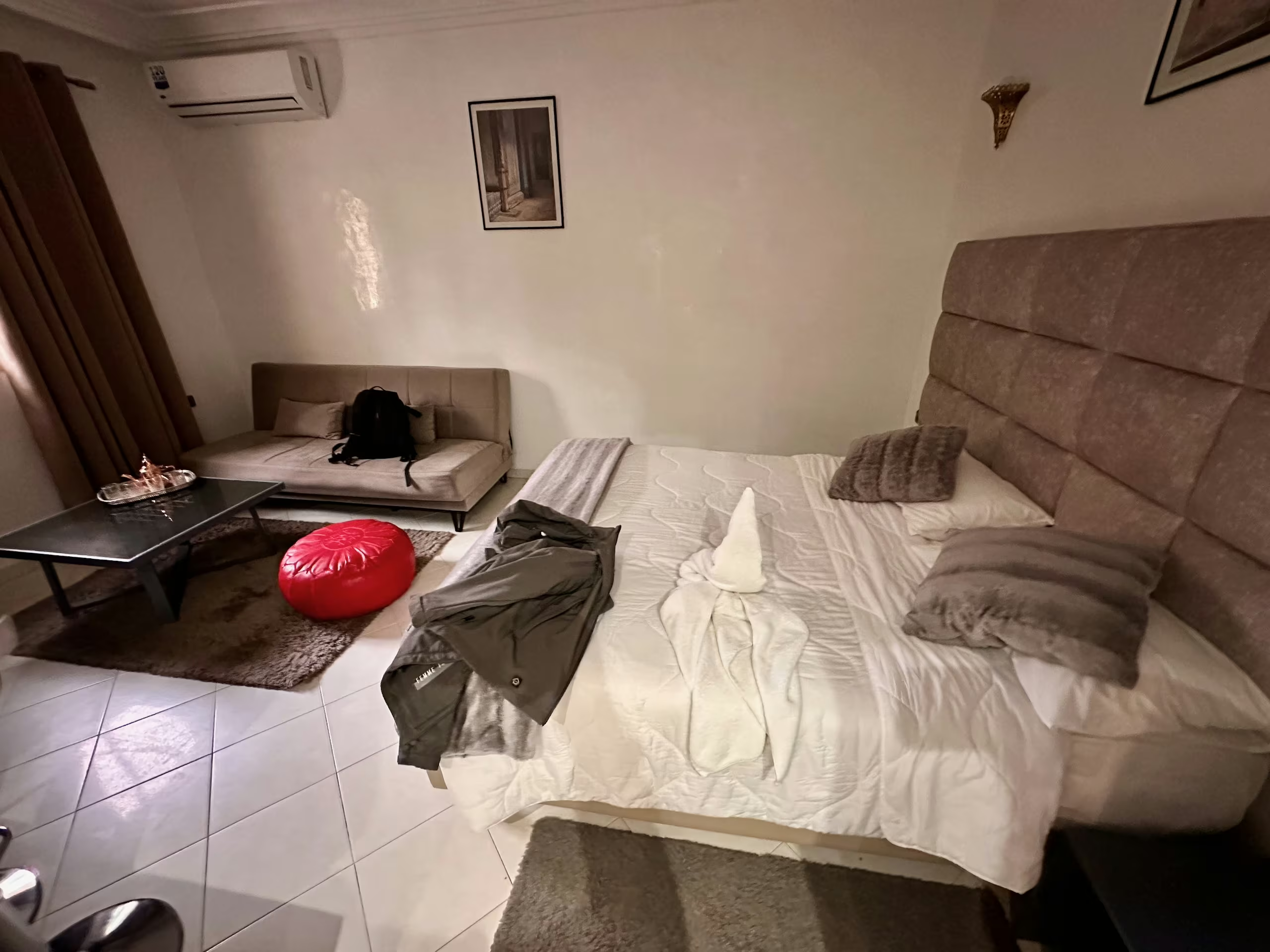
At the start of our stay in Marrakesh, we checked into Appart Hôtel Amina. It’s in the l’Hivernage area, near Menara Mall and Avenue Mohammed VI, so not in the older, tighter, more hectic part of Marrakesh, but in a newer, calmer area that simply feels easier to stay in. From our perspective, it was a very good location: cleaner, quieter, no constant squeezing through crowds, and no feeling that a scooter was about to run over your foot around the next corner.
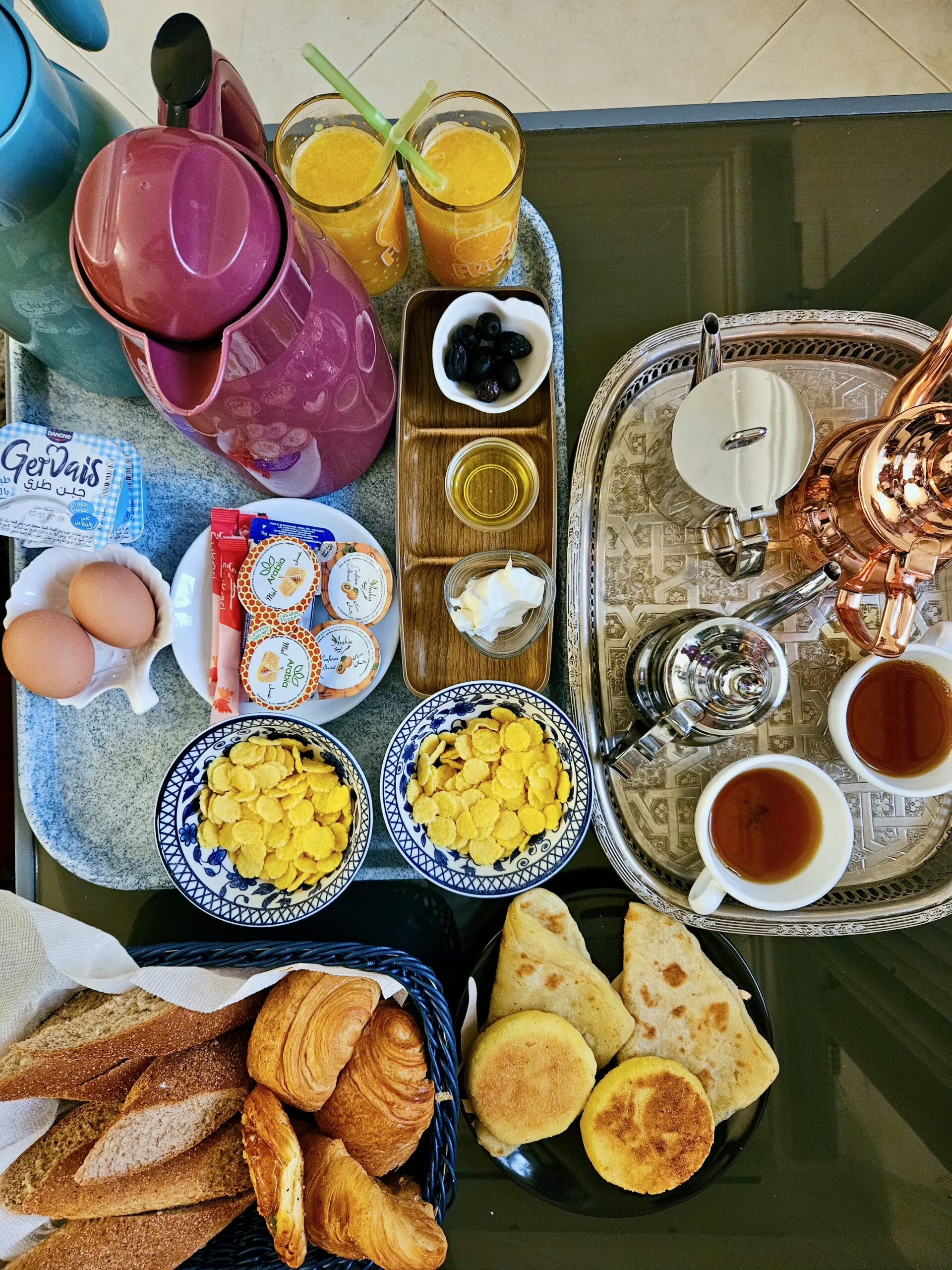
The hotel itself is three-star, but it was genuinely solid. We paid by card, which came out to around 1,315 PLN in local currency. Breakfast was brought to our room, which was a really nice touch — although after a few days, we pretty much knew the whole set by heart.
The only thing there that didn’t exactly surprise us, but was still mildly annoying, was parking. It was street parking run by the city, with no parking meters and no great clarity on how much you were actually supposed to pay. What you did have were parking attendants who showed up when it was time to collect money, but not necessarily when you might have wanted to see any official pricing rules. In the end, we managed it without any real drama, but the whole parking situation — and the road-related absurdities in general — definitely deserves its own section, so we’ll get back to that later.
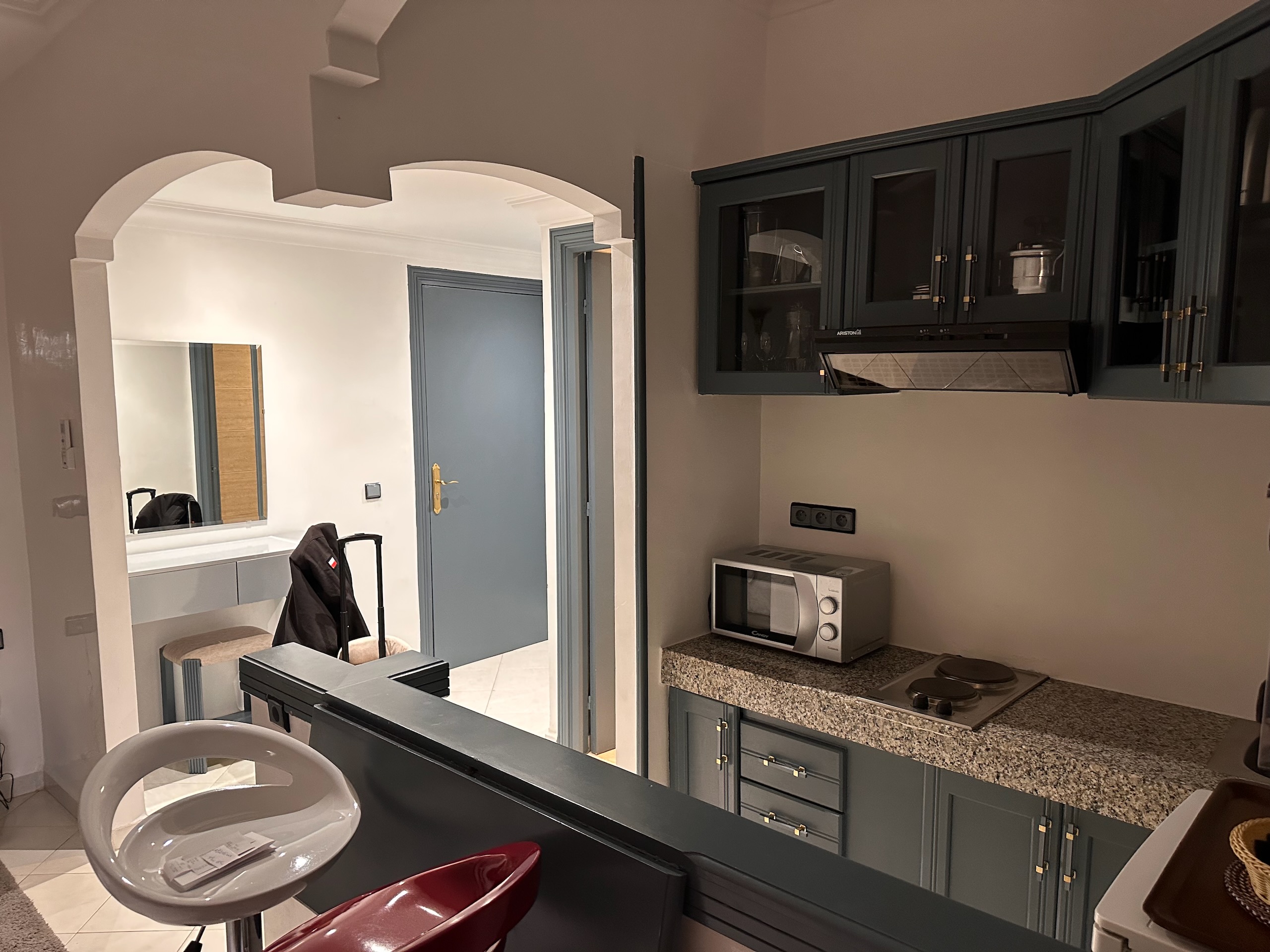
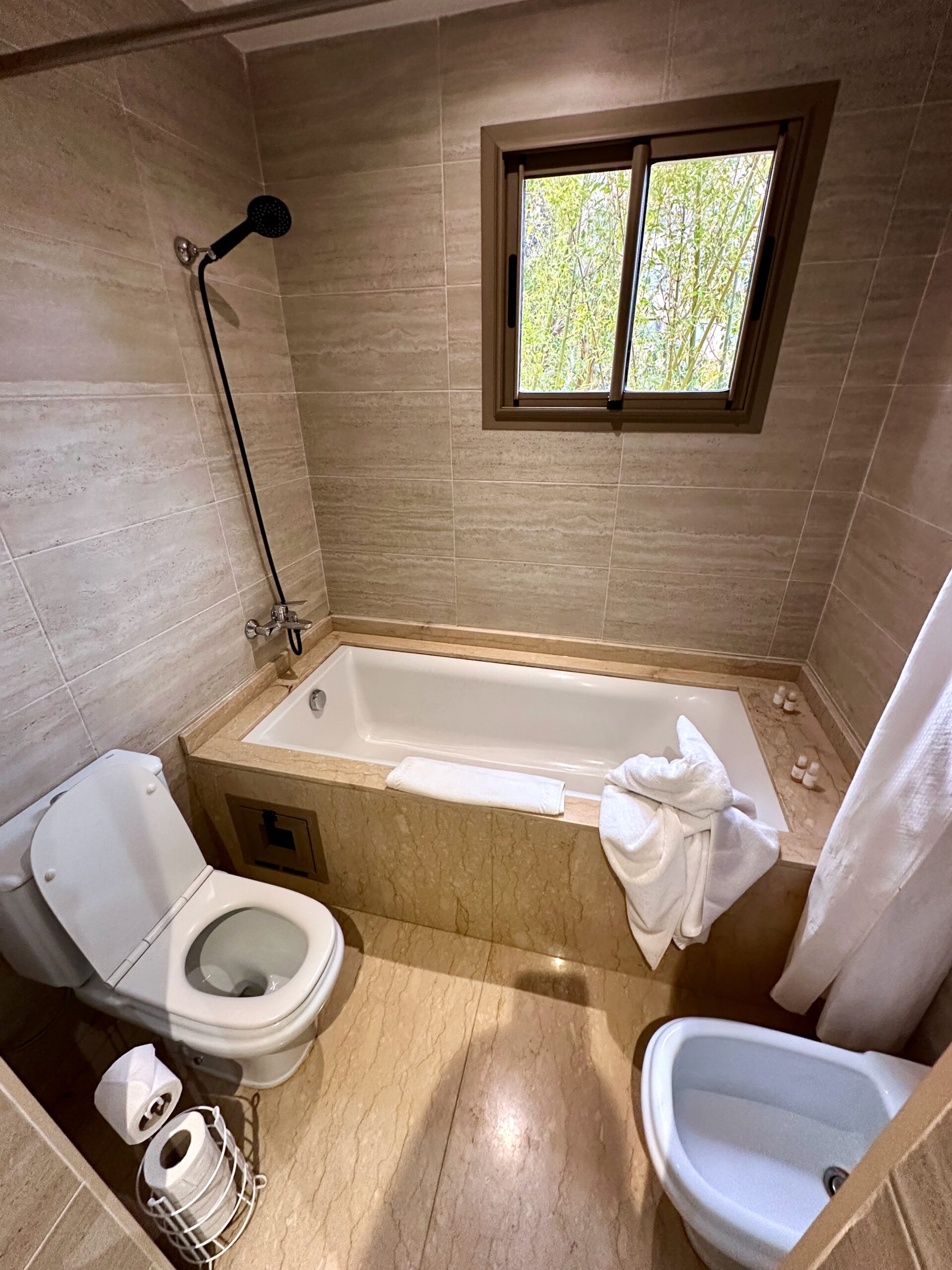
Then we moved on to Essaouira, where we stayed at Hotel Cruiser Mogador. We paid around 602 PLN for two nights, and we genuinely remember that stay very well. The hotel felt fairly new, parking was free, and breakfast was served in the restaurant area rather than brought to the room. After Marrakesh and all its chaos, that shift into a breezier, coastal setting felt very good.
For our last night before the flight, we went back to Marrakesh, but this time, instead of a regular hotel, we booked a riad — specifically Riad La Petite Majorelle. And this is where a quick side note makes sense, because we hadn’t really used that word much before either. In Morocco, a riad is a traditional house built around an inner patio or courtyard, and these days it often means a small guesthouse set up inside one of those old homes. In practice, that usually means less chain-hotel standardisation, more local character, and sometimes a few more unexpected quirks. That’s pretty much how the term is used in Morocco today — traditional houses turned into small places to stay.
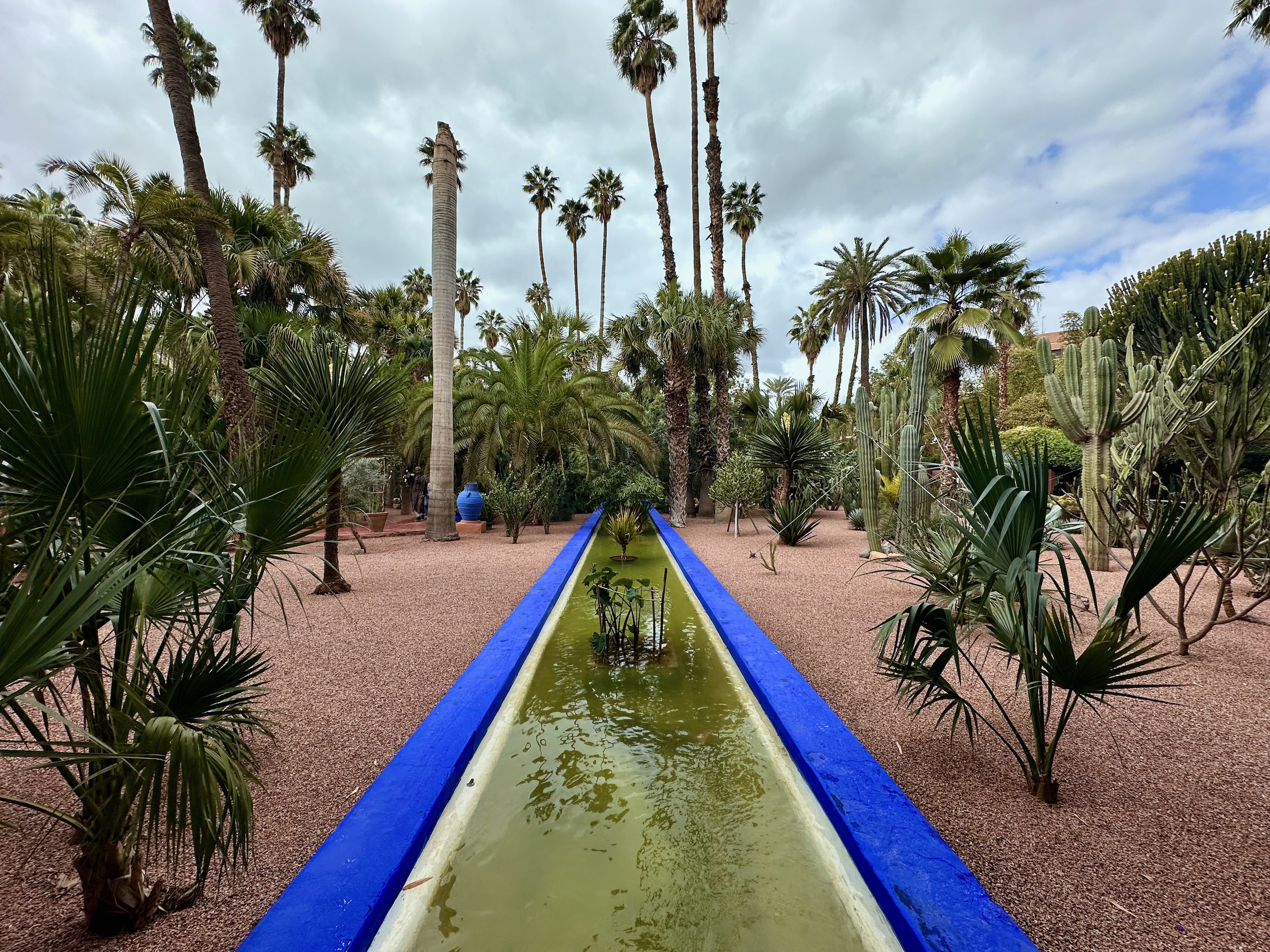
We paid around 269 PLN for that final night, and the location worked out perfectly with our visit to Jardin Majorelle. So price-wise, it made a lot of sense, but the stay itself was definitely less convincing than the previous ones. There was a strange smell in the bathroom — something between strong detergent and an attempt to cover up something even stronger. Hard to say exactly what it was, but you could tell straight away that something felt a bit off. On top of that, there was a minor issue with the payment. Booking said card payment was accepted, but once we got there, it turned into the usual hesitation, back-and-forth, and checking whether we definitely didn’t have cash instead.
In the end, a card terminal somehow appeared, but the whole thing still left a bad taste. Especially with places like this, you’d really rather not get dragged into that kind of “maybe we can work something out” negotiation at check-in.
Parking here was municipal as well, although this time we didn’t run into anyone we were supposed to pay. Maybe they were off that day, maybe they just couldn’t be bothered to come over, or maybe we simply got lucky and stumbled into the Moroccan version of the “it’ll sort itself out” system 😄
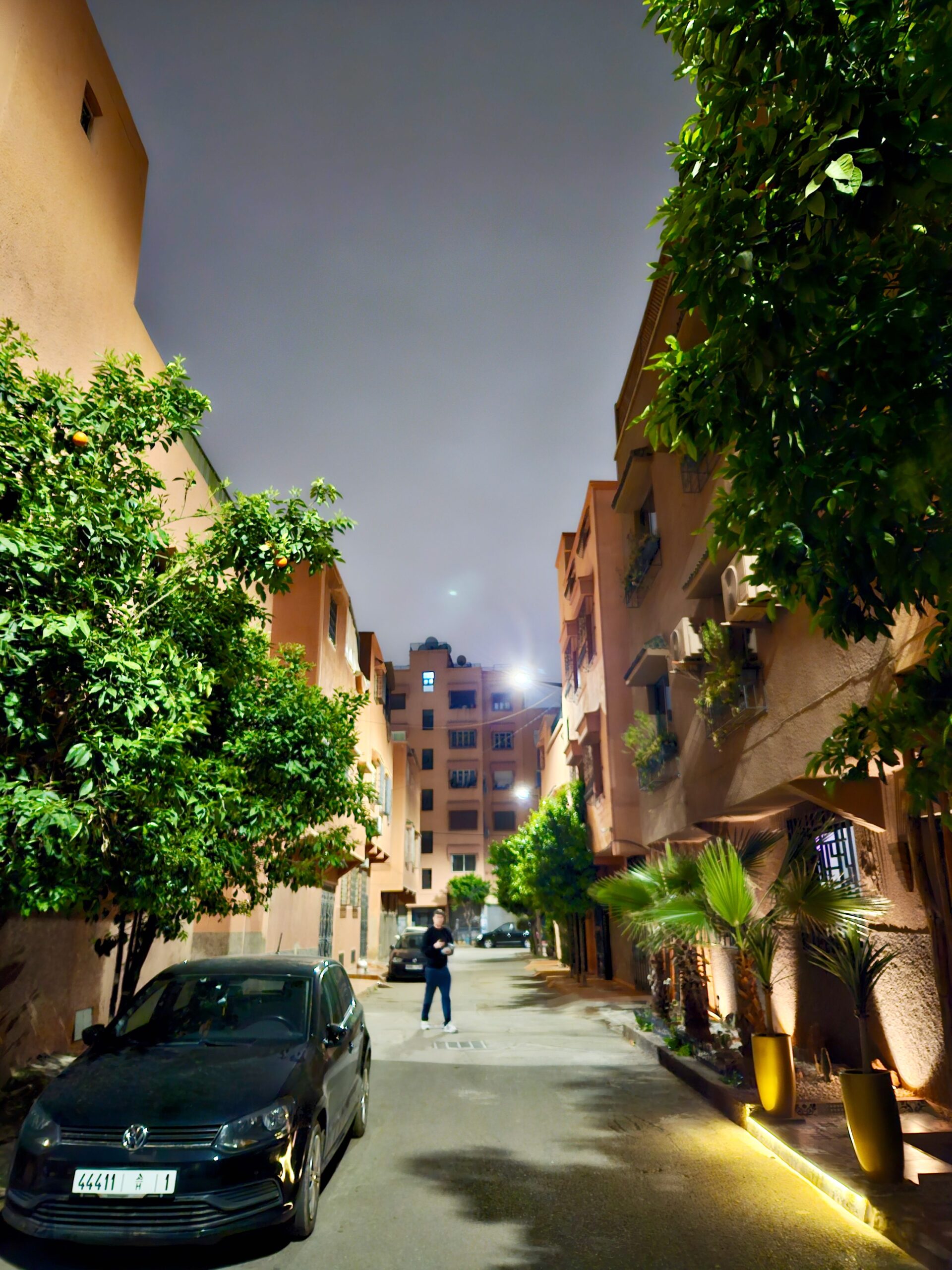
What would we recommend after doing it this way? We definitely wouldn’t force ourselves into staying right in the heart of the medina if you’re planning to get around by car and don’t actually need to sleep in the middle of all the chaos. We deliberately went more for convenience, easier parking, and a bit of breathing room away from the crowds. And that worked well for us. At the same time, Marrakesh is absolutely a city you can cover on foot too. So if anyone wants to clock up a respectable number on their Apple Watch or Garmin while they’re at it, Marrakesh will happily help with that.
Traffic conditions
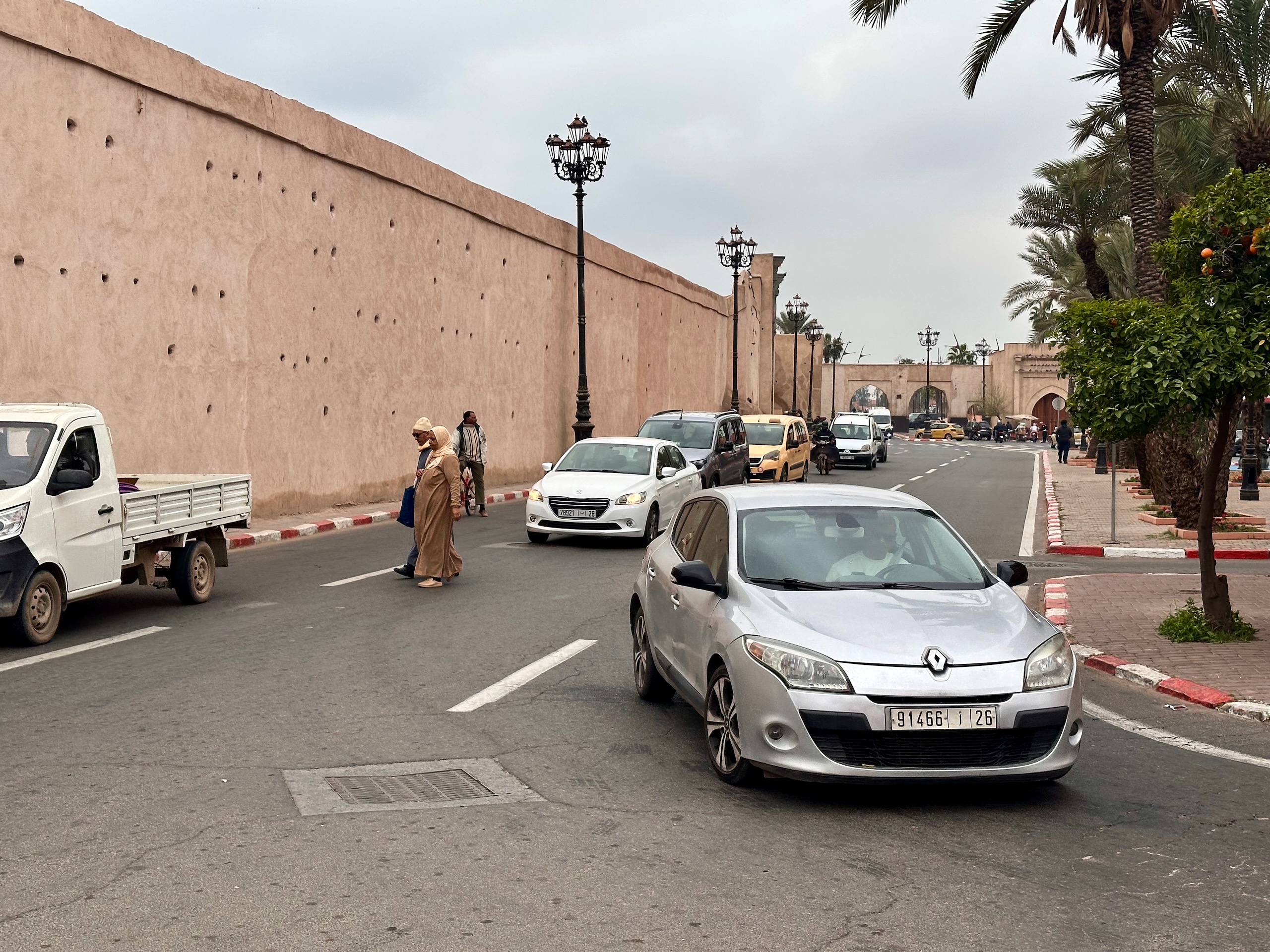
Driving in Morocco is a whole topic in itself. On one hand, it gives you complete freedom. The moment you leave the city behind, the road is yours, and you don’t have to deal with taxi drivers or plan your day around timetables. On the other hand, in Marrakesh itself, traffic rules often feel more like a loose suggestion that locals are perfectly happy to ignore.
We rented a car, and for us it was absolutely the right call — but fair warning, this isn’t a destination for everyone behind the wheel. If you’re not confident driving, Marrakesh will chew you up. Scooters come at you from every direction, and the usual “limited trust” mindset on the road is nowhere near enough here. What’s interesting is that in places like Vietnam or Thailand, there’s chaos too, but you can still feel some kind of shared rhythm in it.
In Marrakesh, we had the impression that everyone just drives straight ahead and assumes the others will somehow manage to brake in time. Once you leave the city, things get much easier and the roads are actually pleasant, but in the centre you really need to have your eyes everywhere.
Car rental
We picked the car up straight at the airport, as usual. For us, that’s the only option that really makes sense — you land, grab the keys, and you’re off, without having to argue with anyone or organise extra transport. We booked through Economy Car Rentals, which we often use to compare prices, and this time the rate came out… suspiciously cheap. We paid around 145 PLN for the entire week. That was exactly the kind of price that makes a warning light go on in your head, but we decided to take the risk anyway.
The car was handed over by United / Drivo. Their reviews online were one giant red flag, but since we have excess insurance through Revolut Metal, we figured we had at least some protection if things went sideways. Right from the start, the car was simply dirty and looked pretty worn out, but the real problems only started later.
And that was the moment we had our first collision in years of travelling. The whole thing was absurd: we were standing with the door slightly open when a guy on a scooter hit it in such an unlucky way that his footrest bent part of the metal outwards, and he ended up on the ground himself. The police came, so we were convinced that since it clearly wasn’t our fault, everything would be properly noted down and that would be the end of it.
And that’s where the real mess started. Communicating with both the police and the rental company felt borderline absurd — English on the other side was almost non-existent. Even though we kept asking about a report or any kind of paperwork, the company simply took the money from our account after the car was returned, without giving us anything that would properly justify the charge. So now we’re fighting them on two fronts: filing a chargeback through the bank and dealing with the insurer at the same time. We’ll see who gives the money back first.
My advice? If you’re renting a car in Morocco, don’t go in assuming it’ll all somehow work itself out. Record a proper video when you pick the car up — every scratch matters — and keep a close eye on the paperwork. The key document there is the “constat amiable.” Without that form signed by both sides, any kind of minor collision can turn into a complete mess. Better to be overly cautious and have extra excess coverage, because Moroccan rental companies can be very creative when it comes to adding costs.
Traveling by car
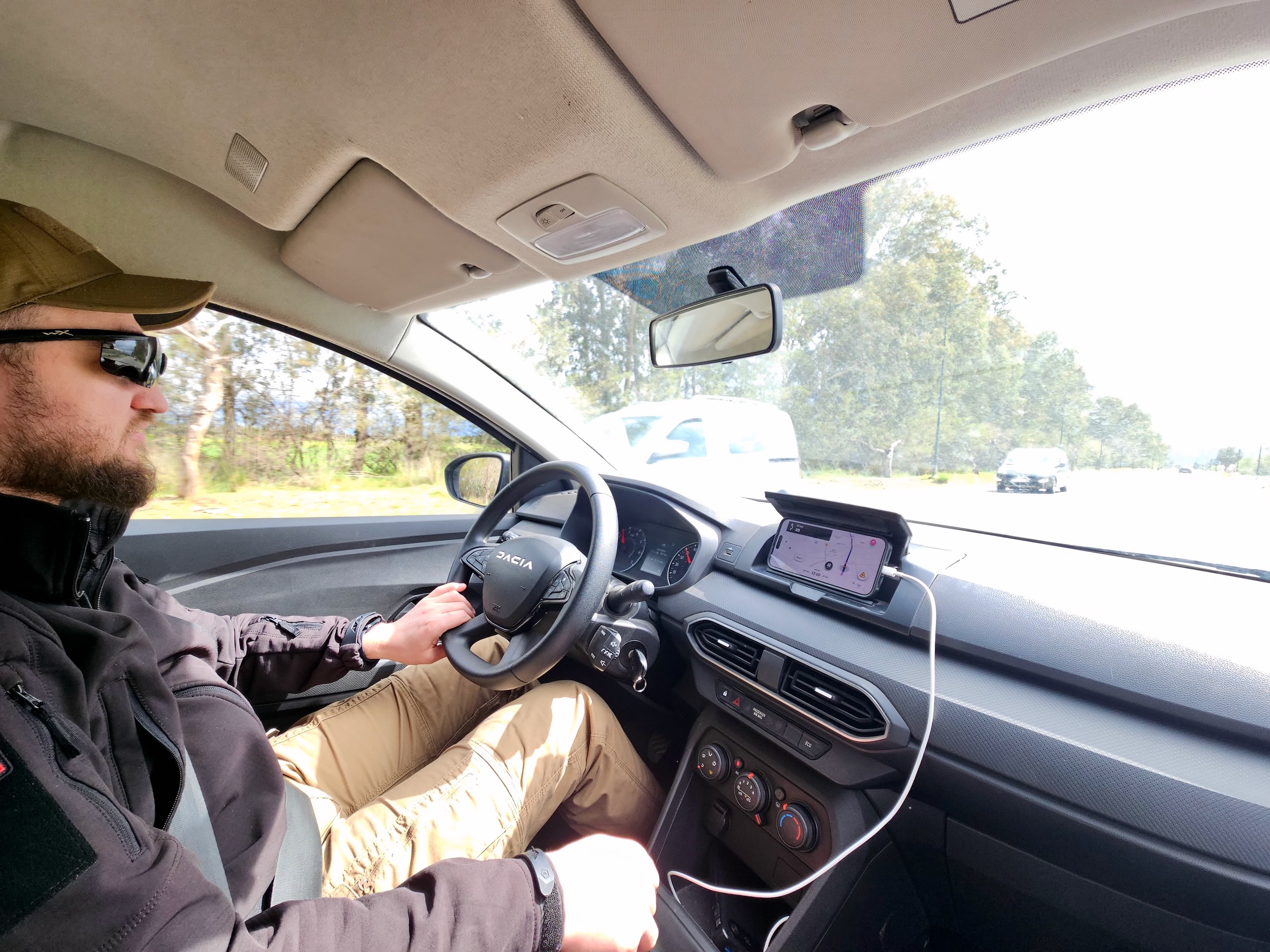
As for the driving itself, once you’re outside Marrakesh, things feel pretty normal. Most of the roads we used were in good condition, although you should mainly expect standard two-lane roads, one lane in each direction. There are also toll road sections, and they do make a real difference — shorter travel time and a much more civilised drive overall.
Marrakesh itself is a completely different story. Seriously, don’t force your way into the very centre by car, and definitely not around the medina. A car there is just a problem waiting to happen. Walking is a far better idea than trying to squeeze into those narrow streets where everyone is driving too close, too fast, and with very little logic holding it all together.
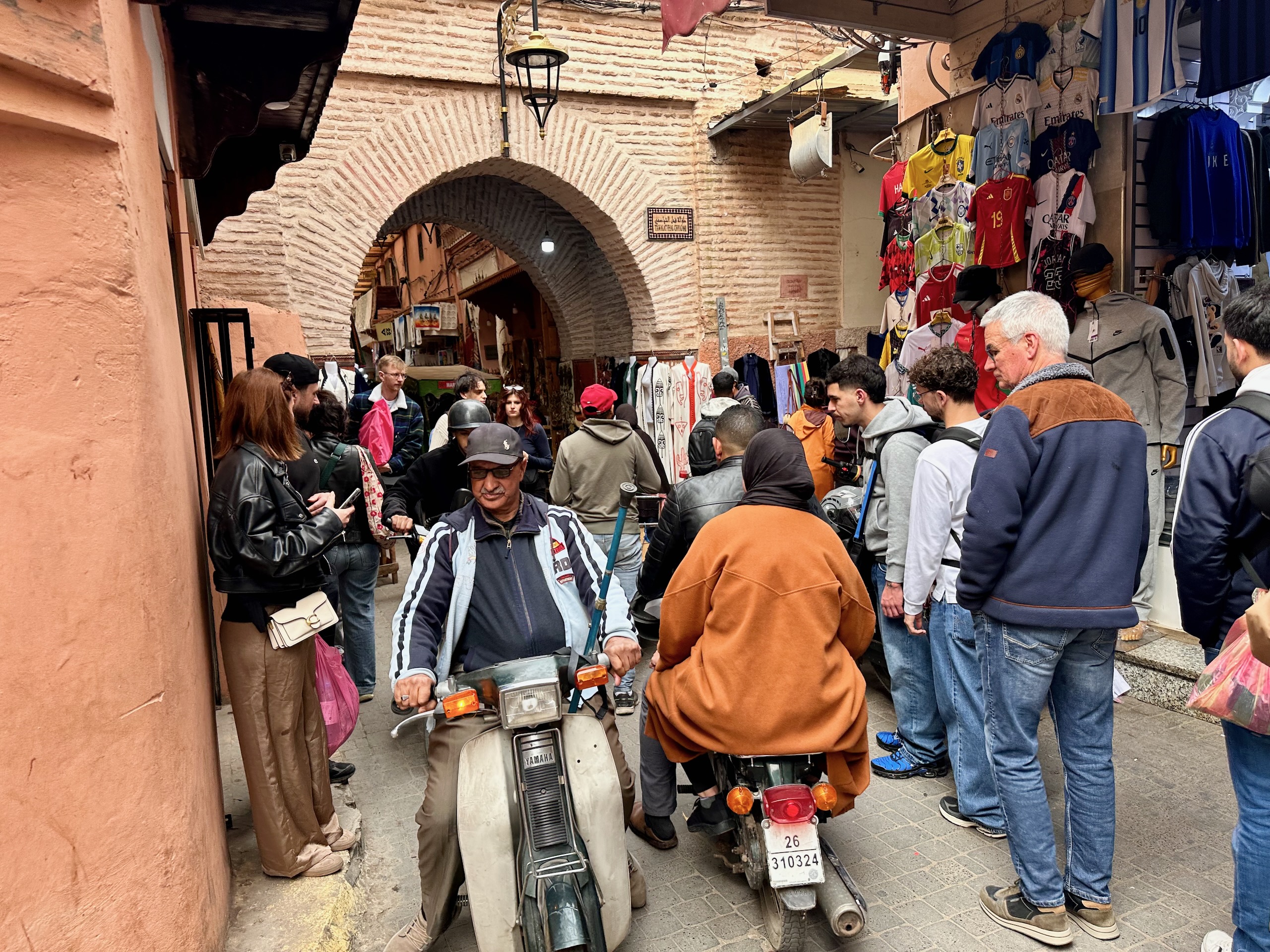
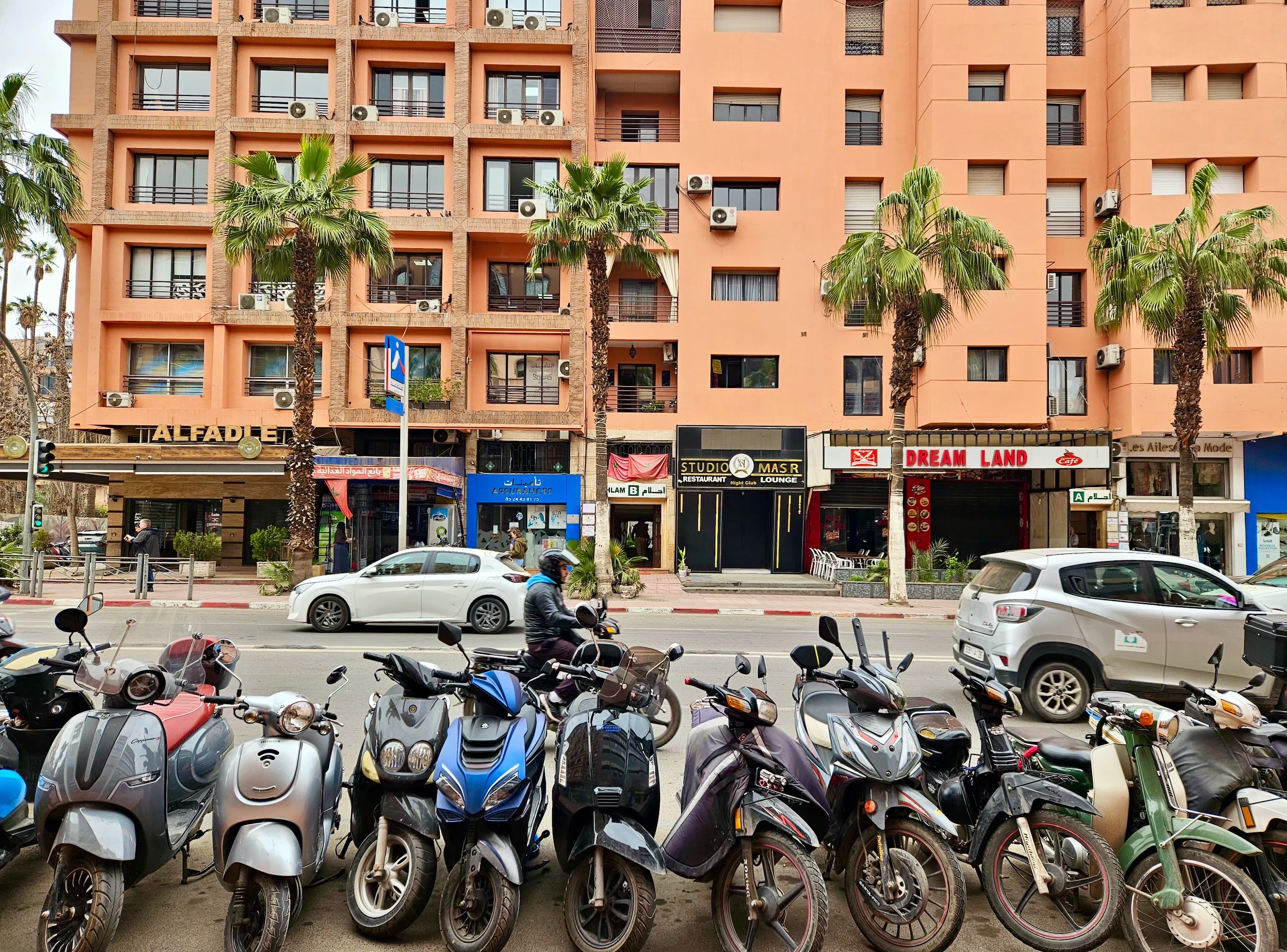
The most stressful thing on the roads? Not the cars — the swarms of scooters and small motorbikes. They’re everywhere. They appear out of your blind spot without warning, squeeze through gaps that barely exist, and often seem to be riding on pure faith, assuming you’ll be the one paying attention for them. And this isn’t an exaggeration — at the same junction where we had our collision, we saw two other crashes within just one hour. That probably says more about the level of chaos than anything else.
Watch out for the police, too. Guys with speed guns show up in the least expected places, and they take speed limits seriously — usually 60 km/h in towns, 100 km/h outside built-up areas, and 120 km/h on motorways. And we’d absolutely advise against trying anything with alcohol. Morocco has a zero-tolerance approach — anything above zero can mean a fine, and even the risk of jail. It’s just not worth it.
And finally, our favourite local “attraction” — parking. Forget normal parking meters. Instead, there will almost always be some local parking guy who, for a small tip, will supposedly keep an eye on your car. The best part is that actual parking meters do exist in the city, only… we saw them carefully covered up with metal boxes. It really does look like technology might ruin someone’s local business model here. On one hand, it’s ridiculous. On the other, once you look at the local reality, it’s not that hard to understand why this system is still alive and well.
Public transportation in Marrakesh
Let’s be honest: public transport in Marrakesh exists, but as a tourist, you probably won’t use it much. The buses, run by ALSA, are very cheap — tickets are around 4 MAD — but the network is fairly specific and mainly geared towards locals. The only bus that might realistically be useful to you is line 19, the airport shuttle into the city centre. It runs every 20–30 minutes, the ticket is about 30 MAD, and it’s a decent option if you don’t want to start arguing with taxi drivers the moment you land. We went with a car and our own two feet instead — if you’re staying near the medina, you can easily cover most of the interesting places on foot.
Apps: How to Avoid Getting Scammed
This is where things get more interesting. If you don’t want to negotiate the fare every single time you need to go two kilometres, install these apps:
- inDrive (must-have): This is the king in Morocco. It works differently from Uber — you suggest the price, and drivers either accept it or come back with a counteroffer. It’s the best way to get a feel for what a ride should actually cost. In most cases, you pay the driver in cash.
- Careem: A very popular app across the Arab world. We didn’t end up using it in Morocco because we’ve apparently earned ourselves a lifetime ban after some absurd incident with a driver in the UAE — a story for another time xD — but in general, it works there and is still worth knowing about.
- Heetch / Yango / Roby Taxi: These work too, but they tend to have a smaller fleet than inDrive. Roby is a local app that basically tries to bring some order to regular taxis.
- Uber: It technically exists, but the prices are often completely detached from reality. Treat it as a last resort.
Taksówki
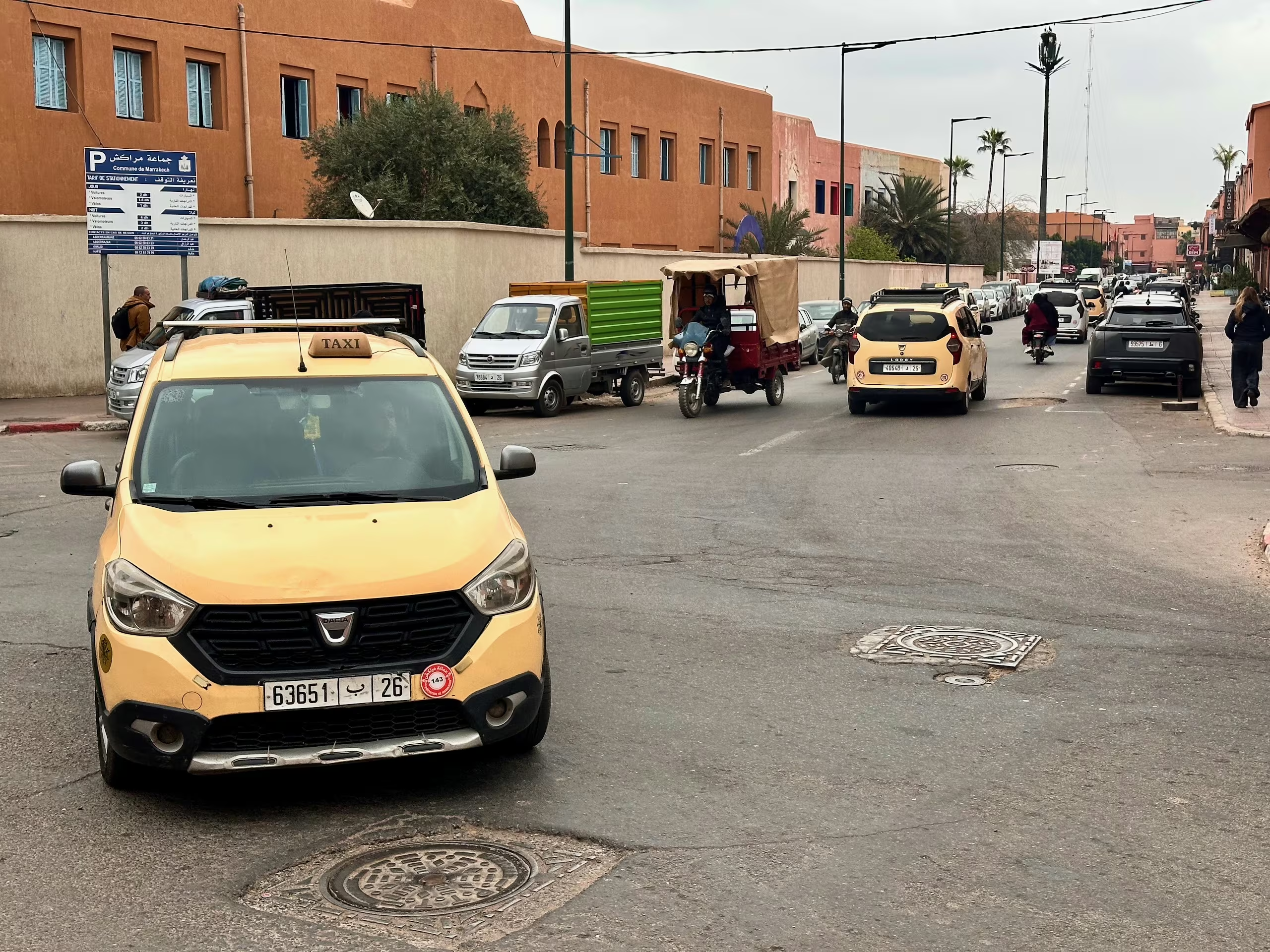
In Marrakesh, you’ll come across two types of taxis, and it’s worth knowing which one to flag down so you’re not standing on the curb for no reason.
- Petit Taxi: These are the small beige cars that only operate within the city. One important thing — they take a maximum of three passengers. Even if you’re the smallest group of four on earth, the driver won’t squeeze you in, because the police are strict about it. So if you’re travelling in a bigger group, you’ll need to split into two separate cars.
- Grand Taxi: These are the larger cars, usually white or cream-coloured. They run to the airport, between cities, or take bigger groups — up to six people. They often work as shared transport, which means you pay for a seat and ride with strangers unless you hire the whole car for yourself.
We heard the same thing from plenty of people about both types: the legendary “broken” meter. The moment a tourist shows up, it suddenly stops working, and the driver throws out some ridiculous price instead. The rule is simple: either push firmly for the meter to be turned on, or agree on the price before you close the door behind you. Otherwise, you’re likely setting yourself up for a very unpleasant argument at the end of the ride.
SIM card
Before the trip, we thought about getting a local SIM card, but in the end we skipped it. Not because it’s some huge challenge, but simply because we didn’t want to waste time looking for a shop and registering a SIM right after landing. We were working remotely, so we needed the internet to be ready the moment we switched off airplane mode.
We went with an Orange Travel eSIM, and it turned out to be a really good choice. We paid 15 EUR for 20 GB on promo, and everything was working straight after landing in Marrakesh, without having to run around looking for a local SIM starter pack.
Of course, if you prefer a local SIM, you’ll easily find Orange, inwi, or Maroc Telecom stands at the airport. Just keep in mind that buying a physical SIM in Morocco means registering it with your passport. That option will usually work out cheaper, and you’ll probably get a bigger data package too, especially if you buy it directly from the operator — the SIM itself costs around 20 MAD. That’s the point where you can clearly see that a physical local SIM beats most of the “tourist” eSIMs you find online.
There’s one thing worth clarifying here, because a lot of blogs talk about local SIM cards as if they’re the only sensible option. It depends. If you’re flying in for a short trip and want everything working from the first minute without any hassle, eSIM wins on convenience. If you’re staying longer and keeping a close eye on your budget, then a local SIM does make more sense.
And one more thing, because this always gets us with online recommendations: Airalo in Morocco is an absolute rip-off. We saw 10 GB packages there going for as much as 40 dollars, which is just absurd. Maya Mobile and Breeze don’t look particularly impressive right now either — the prices are either dynamic or simply high for what you actually get. So if you’re going for an eSIM, check the specific offers carefully, because it’s very easy to overpay five times over for basically the same thing.
What did we eat during our stay in Marrakesh?
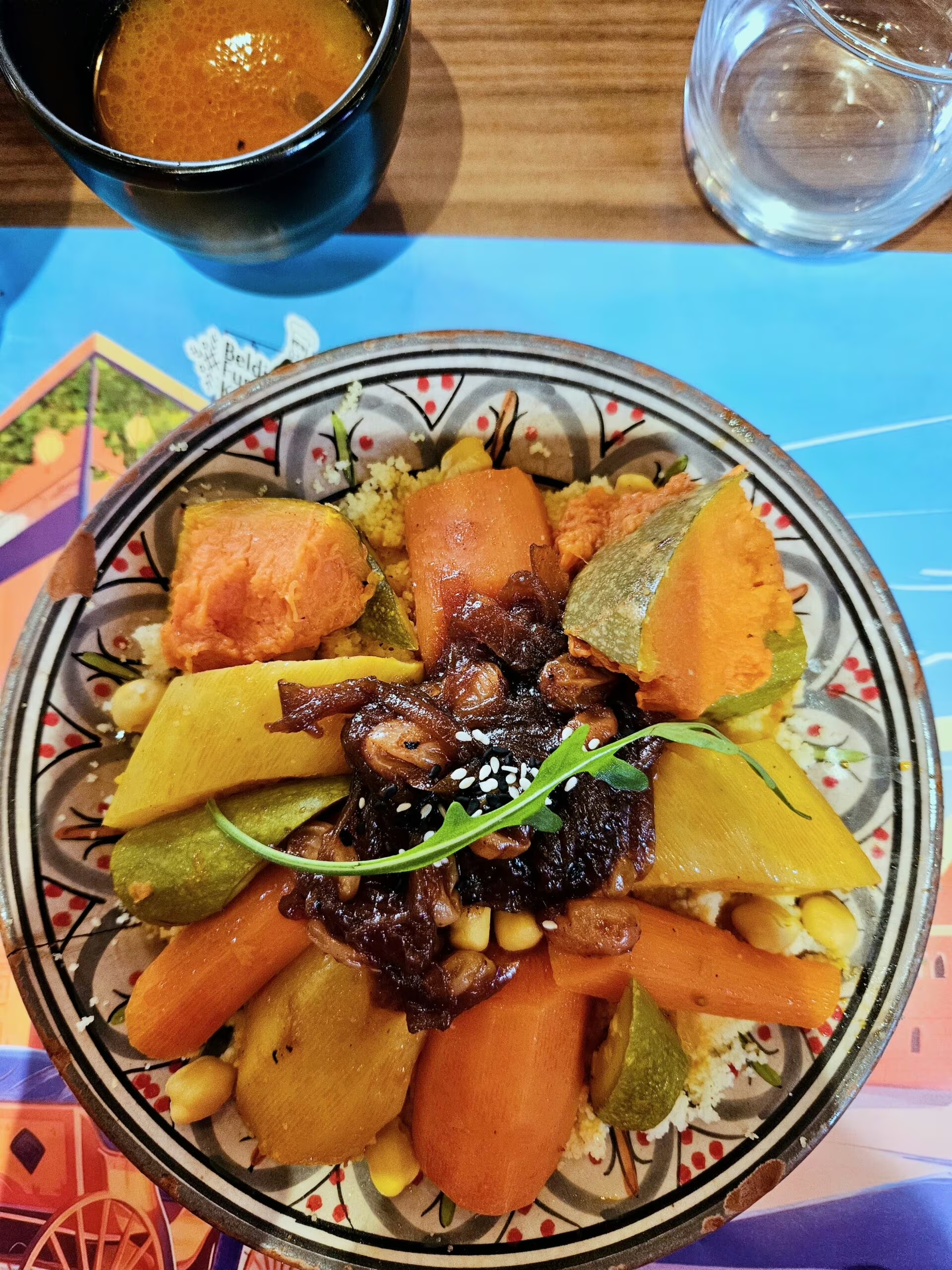
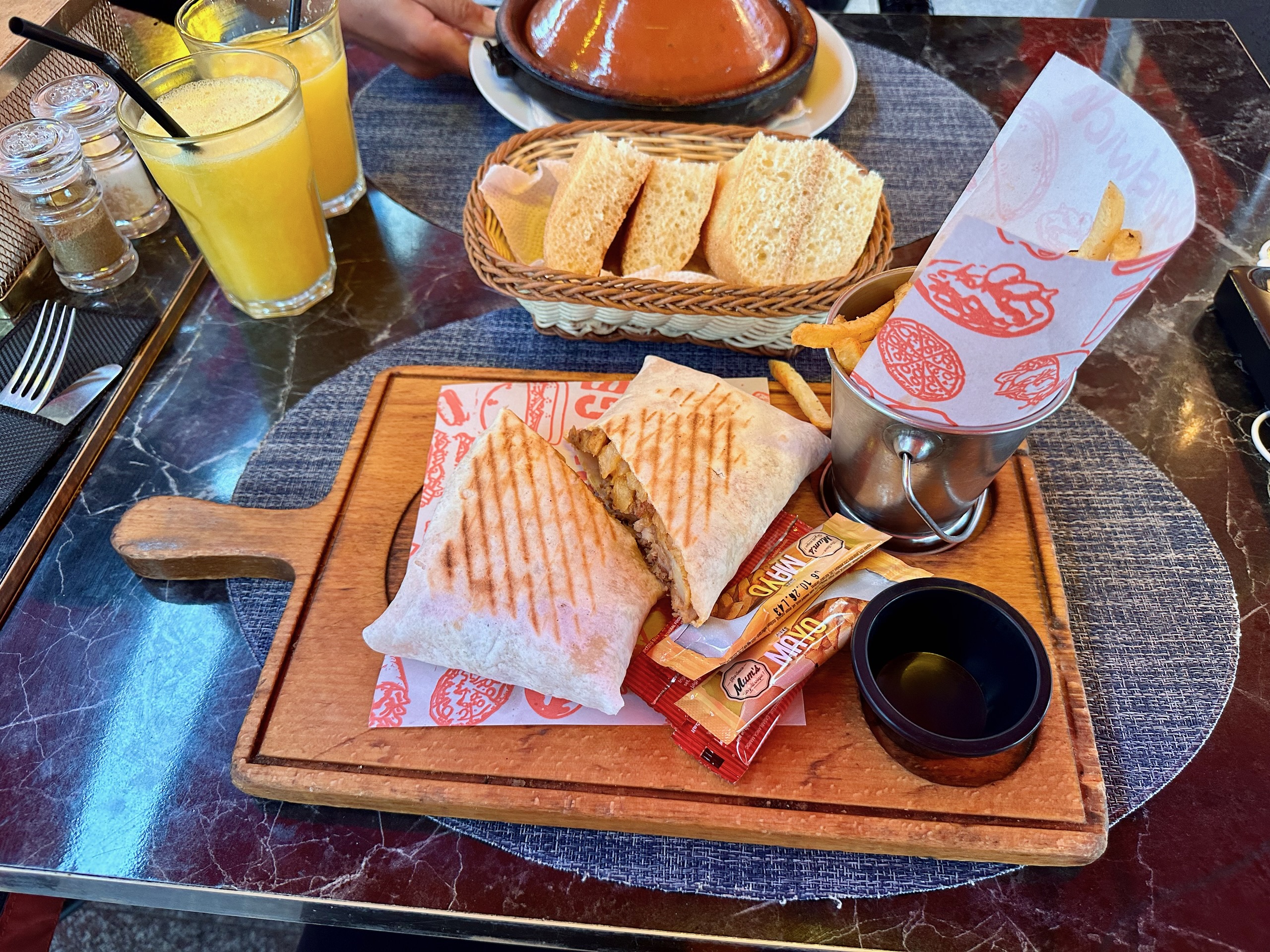
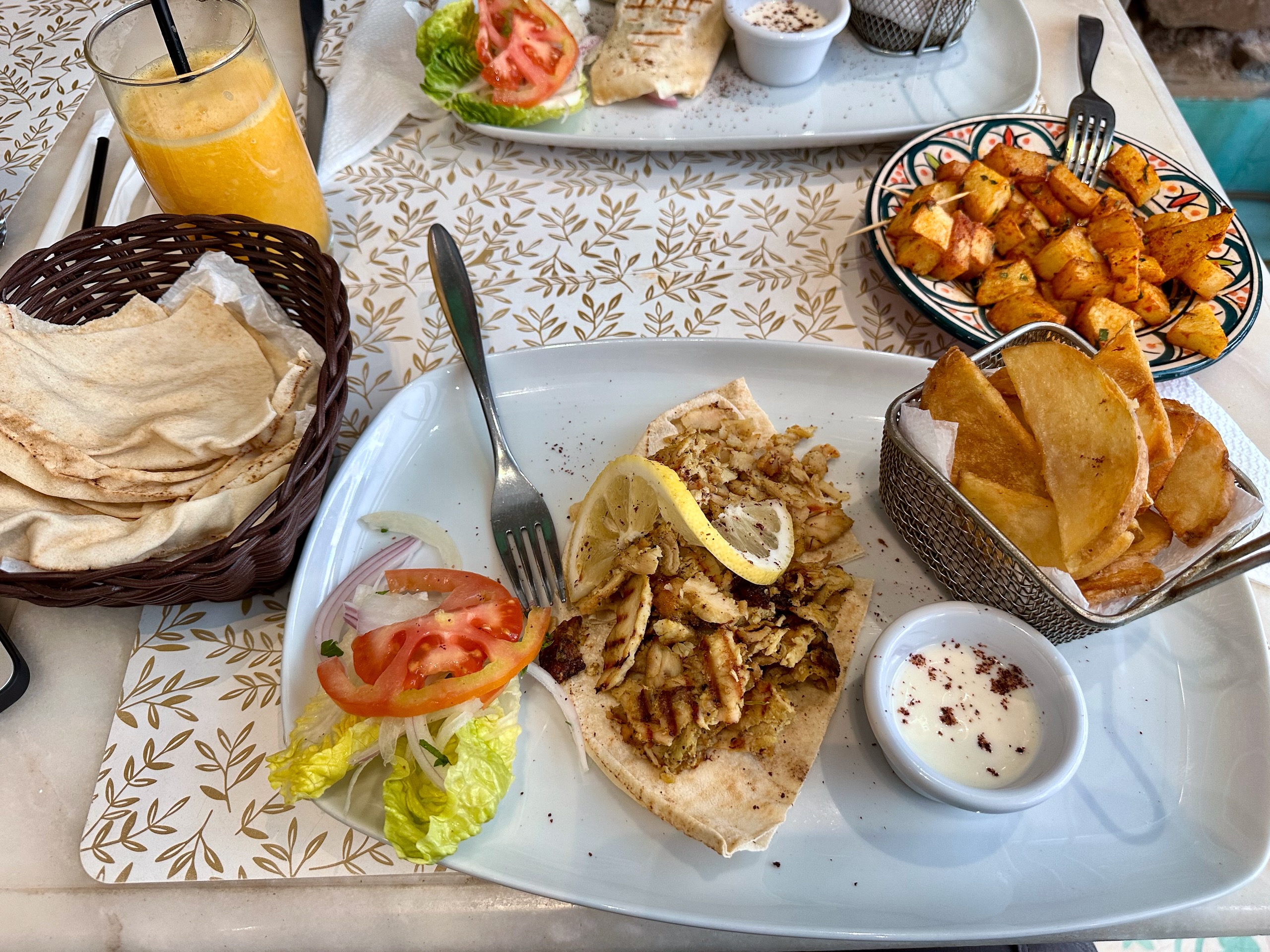
We’re not going to pretend we spent every evening sitting in a riad by candlelight, taking part in some grand Marrakesh food ritual 😄 We simply ate in whatever way was most convenient for us. We tried local dishes, of course, but in the evenings we often ended up ordering through Glovo as well, because after a full day of walking, we didn’t always have the energy to head back out again. And yes — food delivery apps work perfectly normally in Marrakesh, so this isn’t some weird emergency backup plan, just everyday life.
The most classic thing that kept coming up for us there was, of course, tagine — sometimes also spelled tajine. It’s both the name of the dish and the traditional clay pot with the distinctive cone-shaped lid that it’s cooked in. In practice, you’re usually getting meat or vegetables, plenty of spices, and often something slightly sweet in the background — dried fruit, olives, or preserved lemon, for example. We liked it. It wasn’t one of those life-changing first bites that suddenly rewires your whole food personality, but it was definitely worth trying.
Beyond tagine, Moroccan food — and North African food more broadly — revolves around a few very distinctive dishes. The ones that come up most often are couscous, pastilla, harira, and different local versions of slow-cooked meat and vegetables seasoned with spice blends.
Jadzia came away with a very simple impression: it was genuinely nice to try something different from the usual “same thing everywhere.” The flavours are different from what we’re used to — sometimes more spice-led, sometimes slightly sweet in places where a European palate wouldn’t necessarily expect it — but overall, the food left a good impression on us.
Currency exchange or ATM?
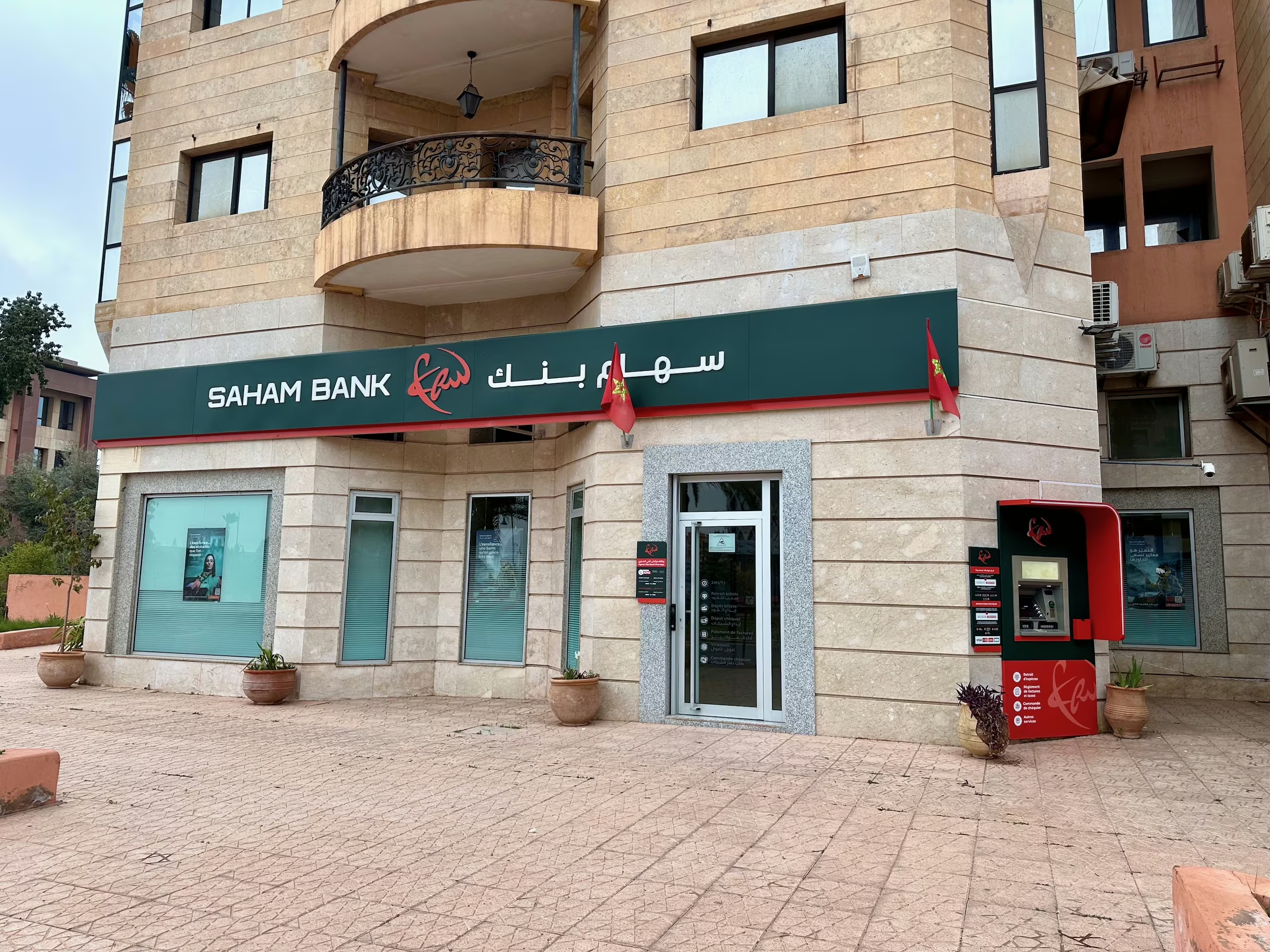
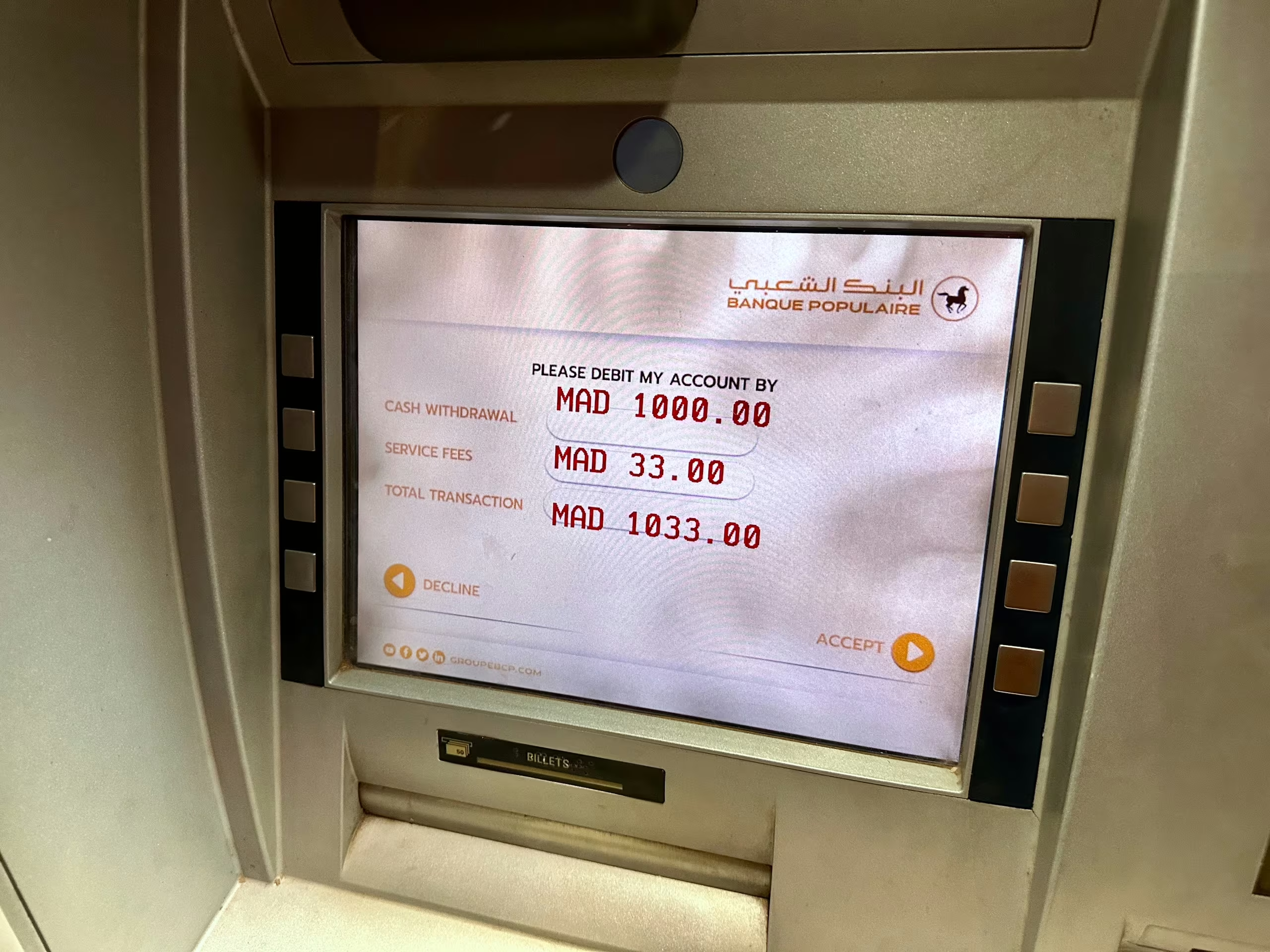
We simply withdrew cash from an ATM, twice during the trip. Each withdrawal came with a fee, unfortunately, but from our perspective, convenience still won. We couldn’t be bothered running around exchange offices, comparing rates, and trying to figure out where we’d get ripped off less. Using ATMs in Morocco is completely normal, but you do have to expect that the local ATM operator may add their own fee, regardless of what your bank does or doesn’t charge. On average, it worked out to around 10–13 PLN, so it makes more sense to take out a larger amount at once rather than smaller amounts more often.
Interestingly, in Marrakesh — and in more touristy places in general — card payments are actually pretty common. Not everywhere, of course, because cash still rules in a lot of everyday situations, but hotels, many restaurants, shopping malls, and more popular service spots will usually accept Visa and Mastercard without any issue. On the other hand, taxis, smaller purchases, and anything more street-level still tend to prefer cash over a card terminal.
Climate and weather conditions
Marrakesh has a dry, warm climate for most of the year, but not in the sense that a wall of heat and 30°C is always waiting for you. Spring and autumn are generally seen as the best times for sightseeing, because it’s already warm enough — or still warm enough — without turning into a full summer oven. In summer, temperatures in Marrakesh can climb very high, while winter and early spring can be surprisingly chilly, especially in the mornings and evenings.
We were in Morocco in March, and that matched our experience pretty well. There was no steady 25°C and no walking around in a T-shirt all day. It was more around 15°C for us — pleasant at times, but also cool enough that a hoodie or a light jacket made sense. For sightseeing, though, that was actually a very good temperature, because you don’t feel like you’re melting after an hour of walking.
You just need to remember that March in Marrakesh isn’t completely dry — it’s still a month when you can get some rain and the occasional more gloomy day. Long-term averages usually show around 22°C during the day and about 9°C at night, but March is also one of the wetter months of the year there.
Safety
Honestly? We never felt like Marrakesh was the kind of place where you have to keep looking over your shoulder every few minutes. We didn’t feel particularly unsafe, and nothing in our day-to-day experience there made us think of the city as inherently dangerous. Before the trip, we read a few warnings, and they all basically came down to the same thing: the main issue for tourists isn’t some dramatic, movie-style danger, but rather petty theft, tourist scams, and the usual need to stay alert, especially in crowded places and after dark.
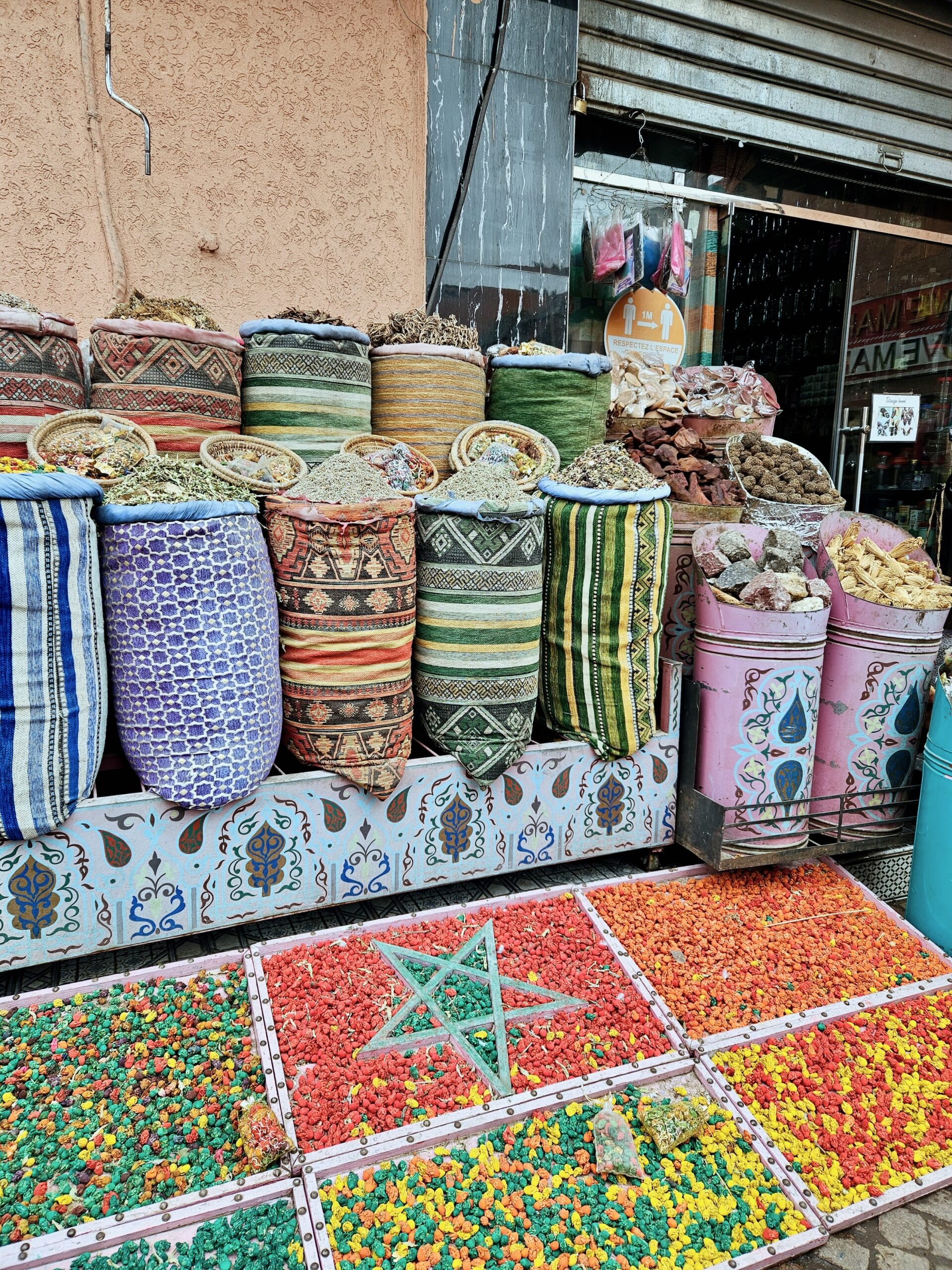
Still, it felt calmer than we expected. Even in the souks, no one really kept bothering us, and we didn’t have to push our way through the kind of relentless hassling you sometimes read about online. Ramadan may have played a part in that too, because that’s when we were there. At times, the city simply felt less crowded, and the overall atmosphere was a bit calmer than we had expected after reading all those internet stories.
A much bigger issue for us than “street” safety was road safety — but we’ve already covered that earlier, so there’s no point repeating ourselves. It’s enough to say it plainly: that’s where we saw the biggest chaos. And it wasn’t just our impression after a few days behind the wheel.
What are the must-see sights in Marrakesh?
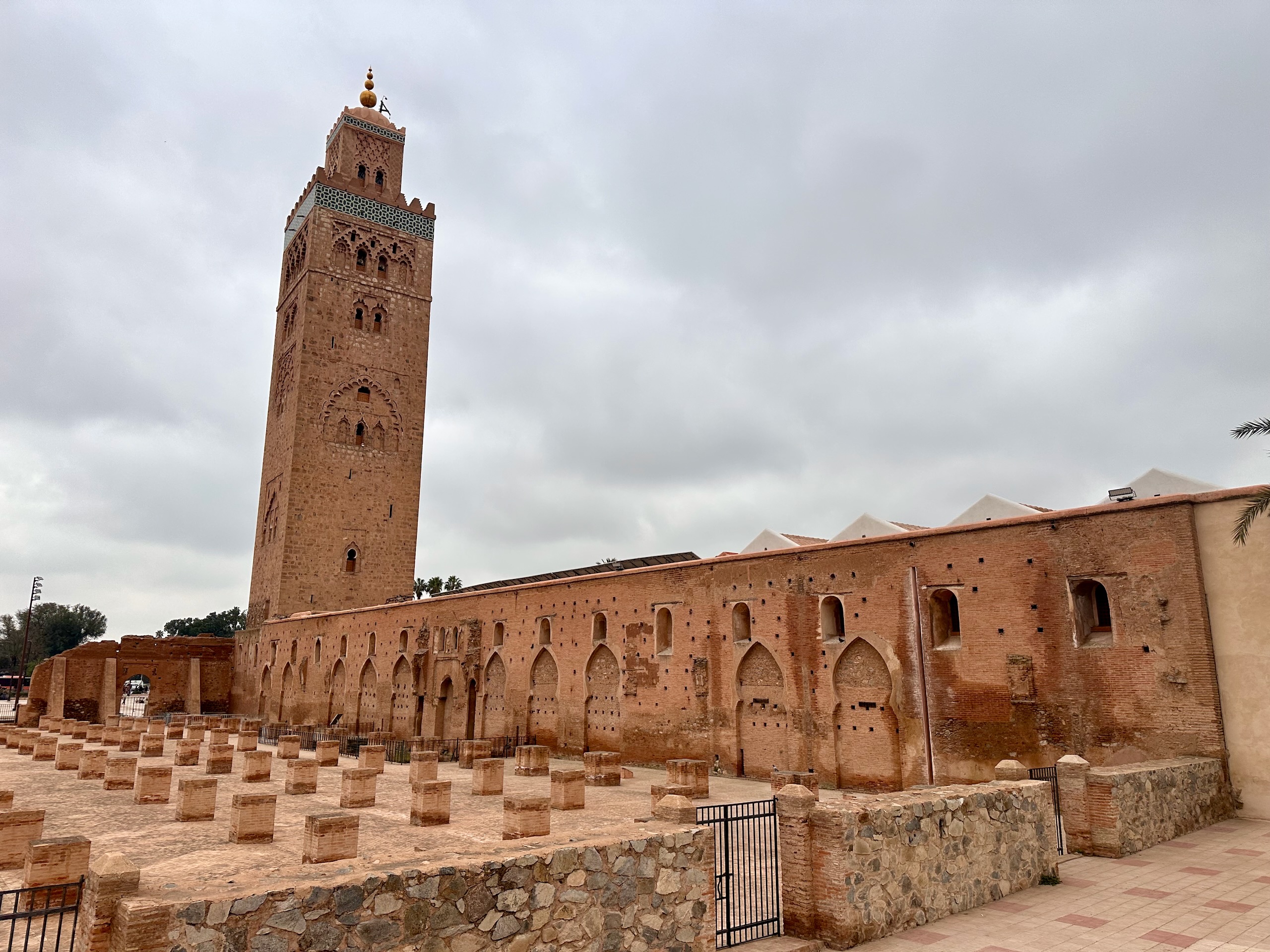
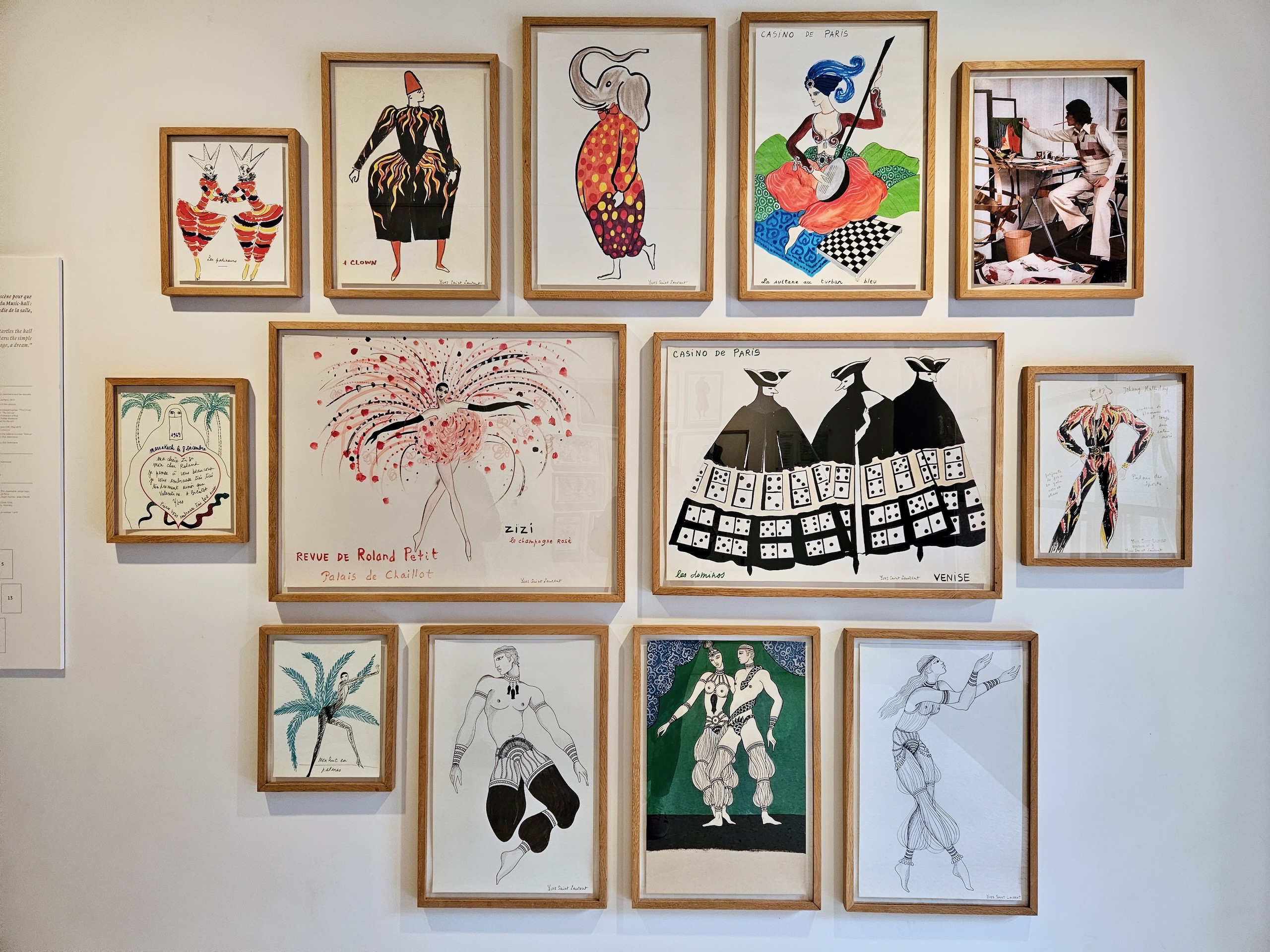
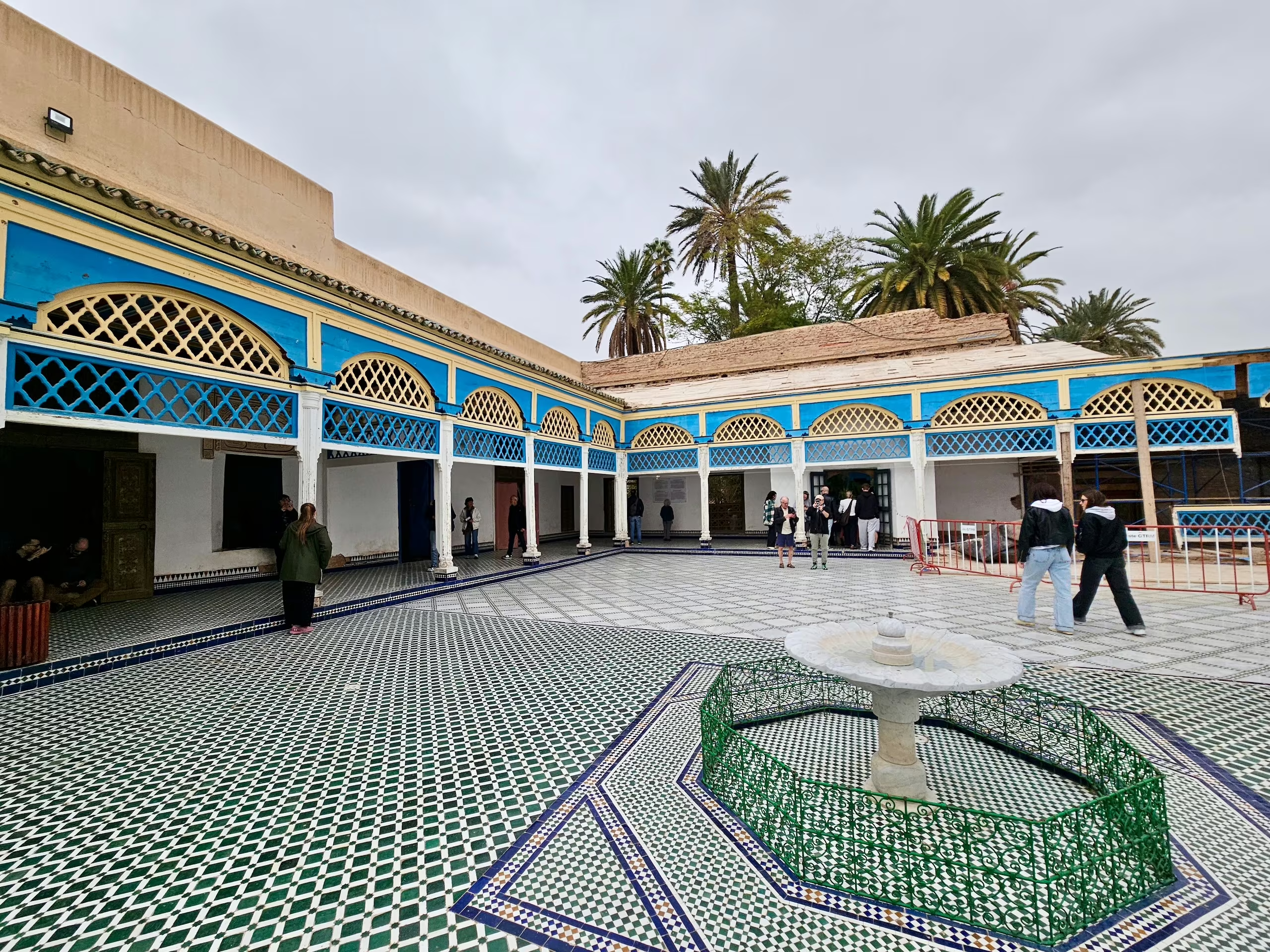
We managed to see a few places in Marrakesh, but we’re not going to force a second mini-guide into a general trip summary. The city already revolves around its better-known spots anyway — the medina, Jemaa el-Fna, Koutoubia, Bahia Palace, or Jardin Majorelle — so there’s easily enough material there for a separate post.
So if you’re curious what we genuinely think is worth seeing during a few days in Marrakesh, where to go, and what you can probably skip, check out our separate post — that’s where we break it all down properly, in our own way, without cramming everything into this one.
Summary
Our week-long trip to Morocco felt like something between a regular city break and a cautious first step into another continent. We went there with the mindset that we finally wanted to see Africa with our own eyes, even if in a more approachable version to begin with. And that’s pretty much how it turned out — step by step, without any big declarations, but with the feeling that we’d opened the door to something new.
Morocco itself definitely caught our attention. Marrakesh has its own atmosphere, its own architecture, its own colours, and it’s genuinely hard not to notice. All those red-toned buildings, the ceramics, the more earthy palette, the local style — it all works. We also added a short stop in Essaouira, which we didn’t really cover in detail here, but even that quick shift from Marrakesh to the coast did us good and showed us that Morocco doesn’t end with just one postcard version of itself.
Interestingly, we went there mentally prepared for scam after scam and for having to fend people off every five minutes. And then came the surprise — at least in our case, it didn’t look nearly as bad as some people on the internet make it sound. Even in the souks, nobody really bothered us that much. We’re not sure whether that’s good or bad xD, but the fact is, in that sense it felt calmer than we expected.
Morocco also didn’t turn out to be as cheap as we had expected. Maybe people subconsciously compare destinations like this to Egypt and assume everything will be ridiculously cheap, but the reality here is a bit different. Once we added everything up in our spreadsheet — flights, accommodation, car rental, food, attractions, and day-to-day spending for a week for two people — it came out as a perfectly normal travel budget, not some symbolic amount. So yes, you can do it reasonably, but we wouldn’t go there expecting a “super cheap” destination.
At the same time, we don’t feel like this trip was overpriced or that anything about it was wildly out of line. It’s just that, in our experience, Morocco isn’t some budget fairytale from a brochure — it’s a country you need to price out a bit more realistically. And honestly, that’s probably the best way to look at it.
After this week, one more thought has stayed with us: Morocco could be a very sensible starting point for something bigger in the future. Especially if one day we decide to ride here by motorcycle and keep going further, deeper, into other regions — treating the country not as a one-off city break, but as the beginning of a longer road. For now, we’re leaving that as an idea in the back of our minds, but there’s a very real chance we’ll come back.