
Ten wpis jest również dostępny w języku:
 Polski
Hey! 
It’s hard to end up in Al Ula “by accident.” To get here, you need to plan a small detour, or a bigger one, on purpose. That’s exactly how it was for us. We came in from Kuwait, right in the middle of our motorcycle journey from Poland to Oman, with our heads full of photos and one big question: is all the hype online actually deserved?
The hype is real. And it’s not only about the landscape, but also about how big the tourism push is here. The Royal Commission for AlUla is aiming for around 1 million visits per year by 2030. In 2024 the region had roughly 286,000 visitors, so it’s still in a phase of intense development, not a “classic place that’s already overcrowded”. Just for context, the Royal Commission is the body that leads and coordinates tourism development and the wider revitalization of the entire Al Ula region. Think of it as something much bigger than a local city office.
In this post, we’ve gathered our impressions and a few practical observations from the places we managed to visit.
And if you want the full context of our September visit and how Al Ula fit into the entire Poland–Oman route, here are two good places to start:
Did you land here first? No worries — this post is a more detailed follow-up to our time in Al Ula. In the previous one, we gathered our impressions from the places we visited, along with the day-to-day practical side: where we stayed, what food costs looked like, and what you can realistically manage without a sky-high budget 🙂
Old Town
 Pin on Google Maps – click here.
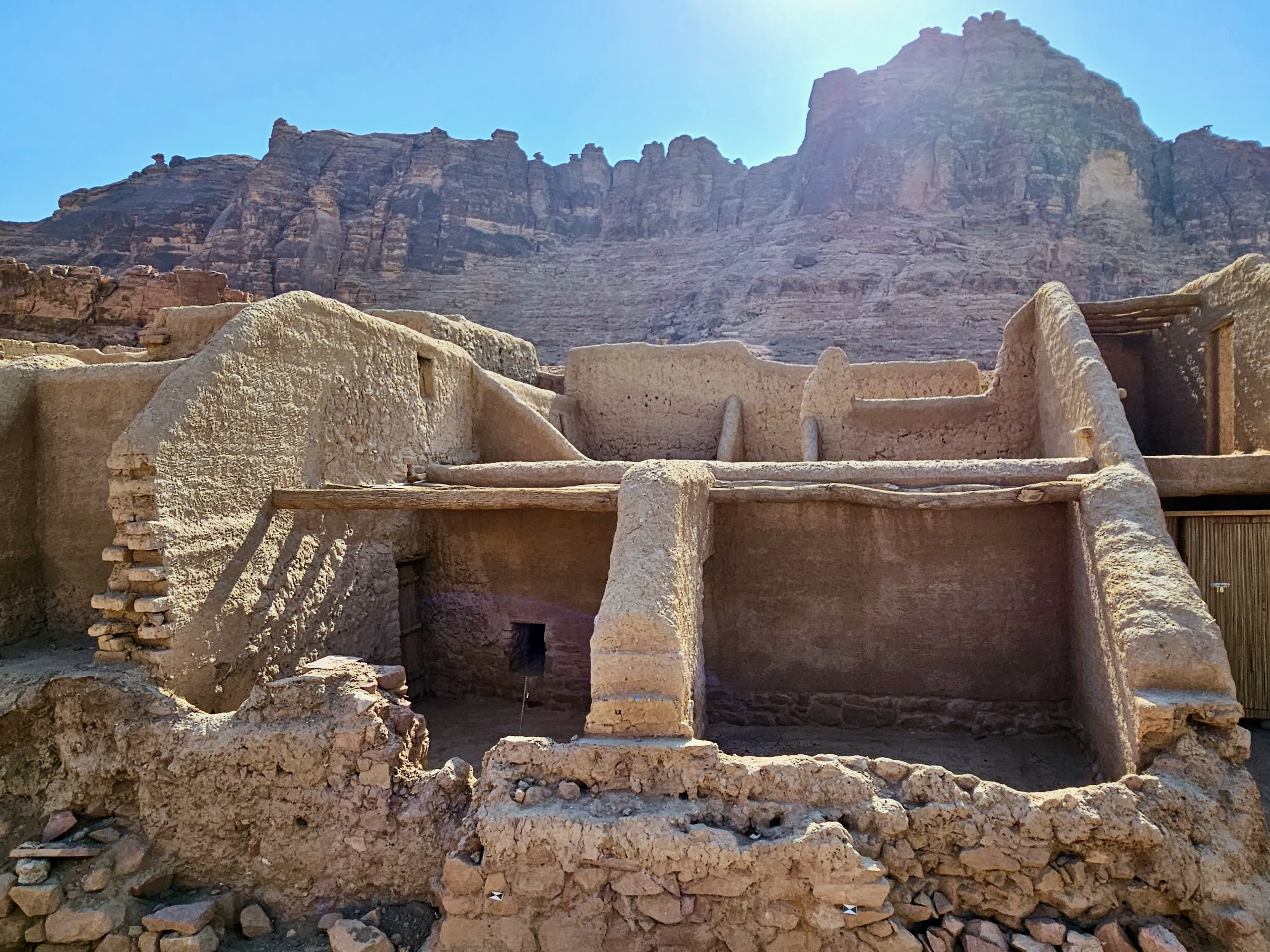
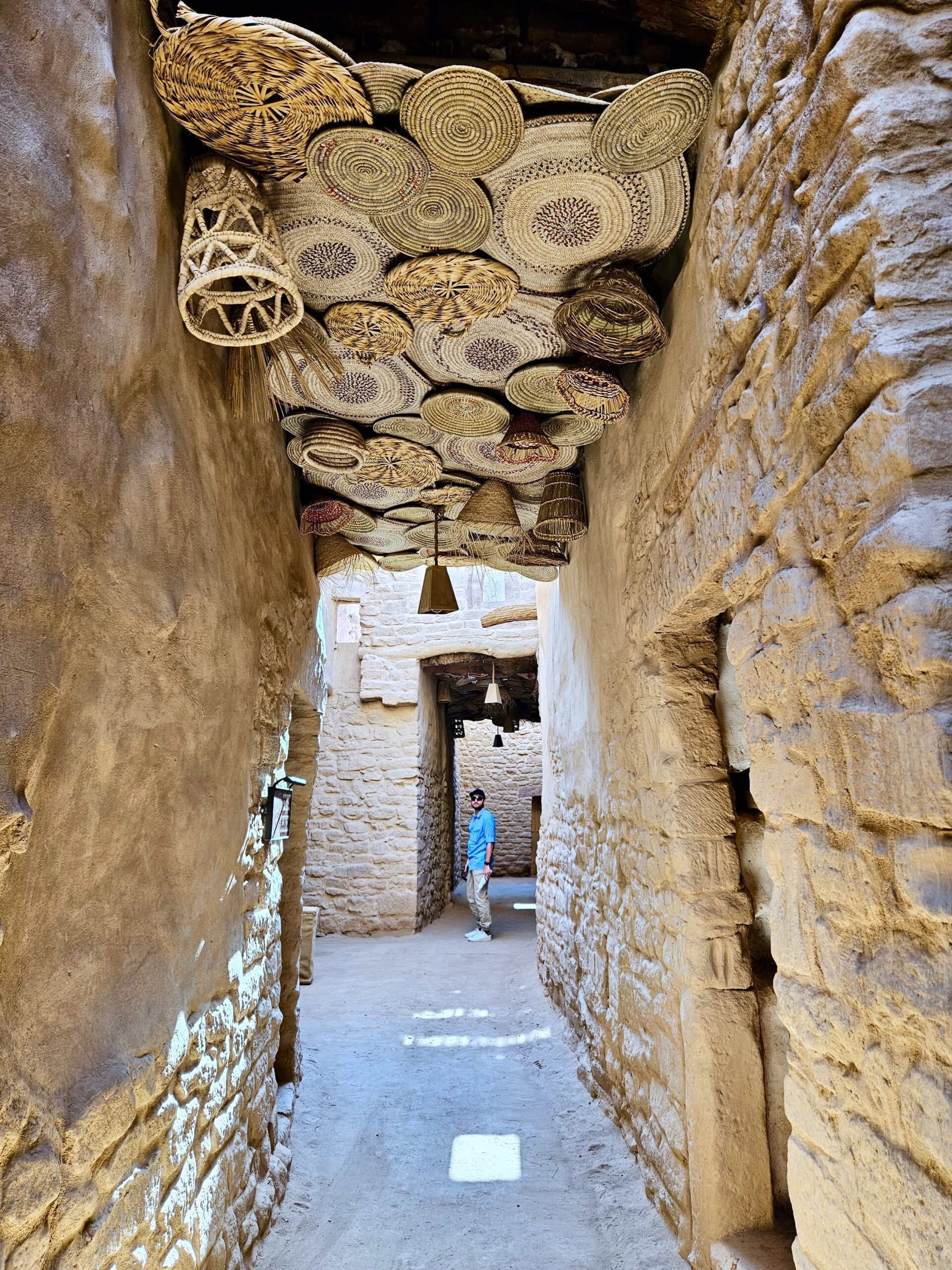
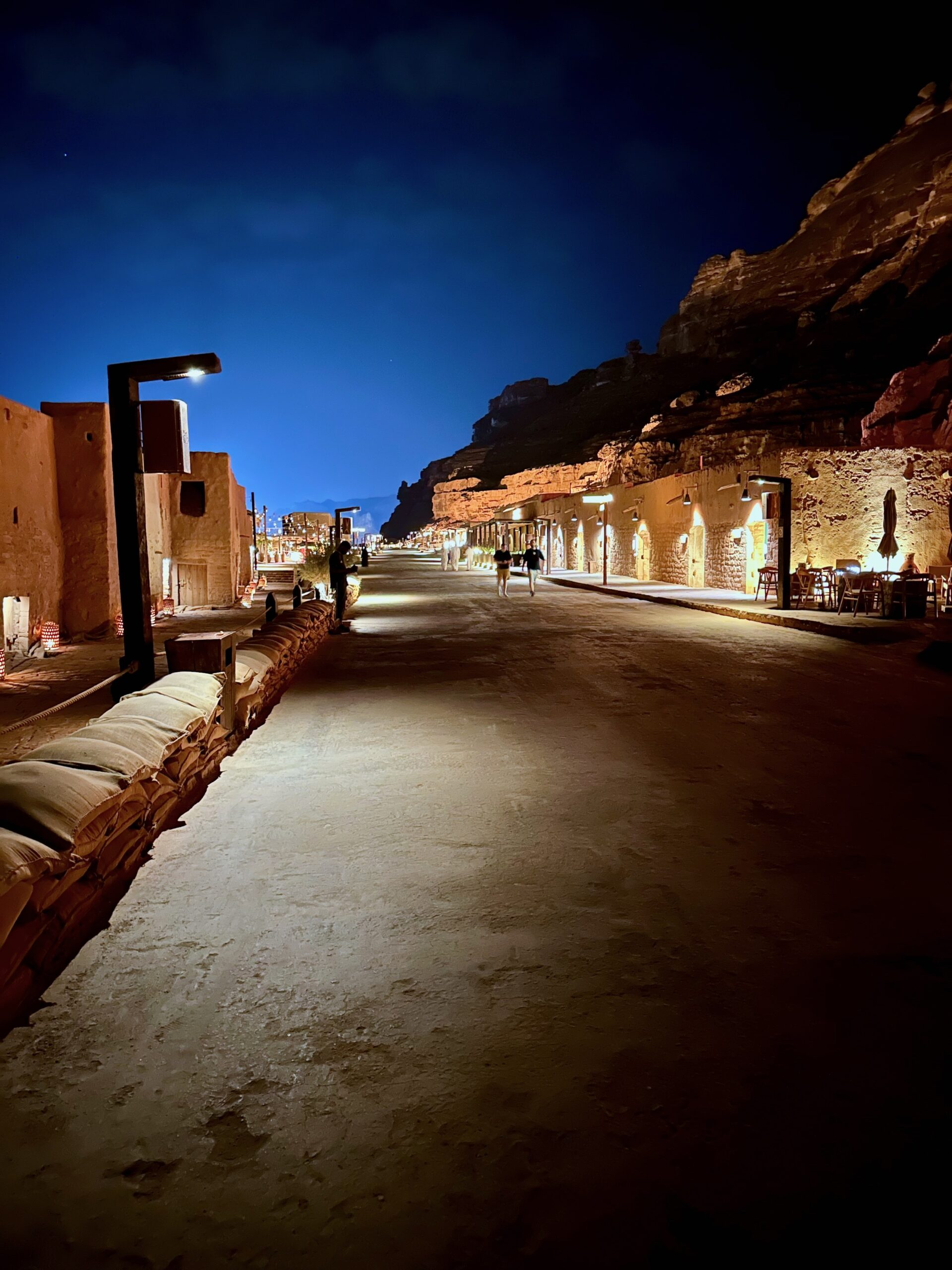
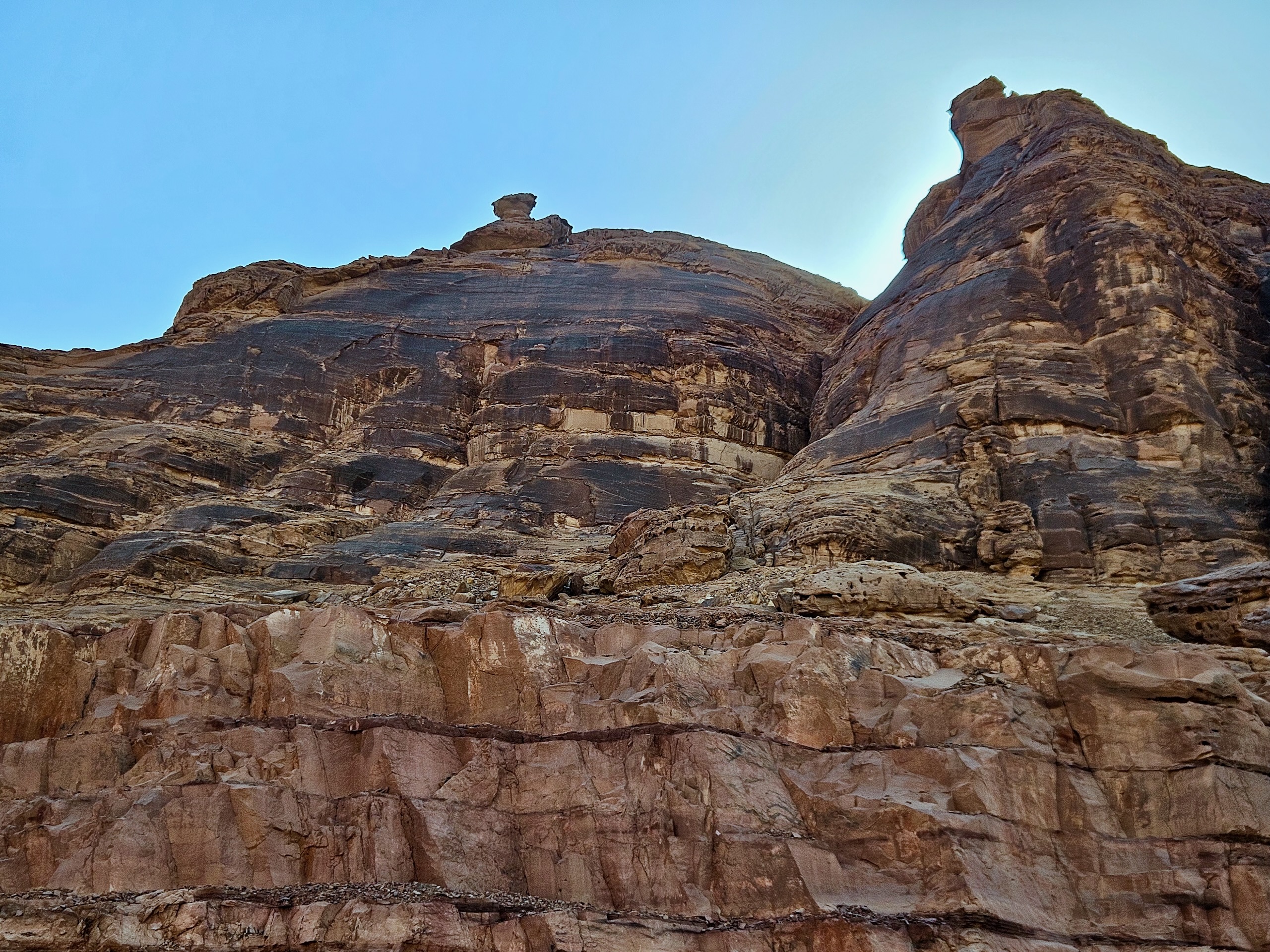
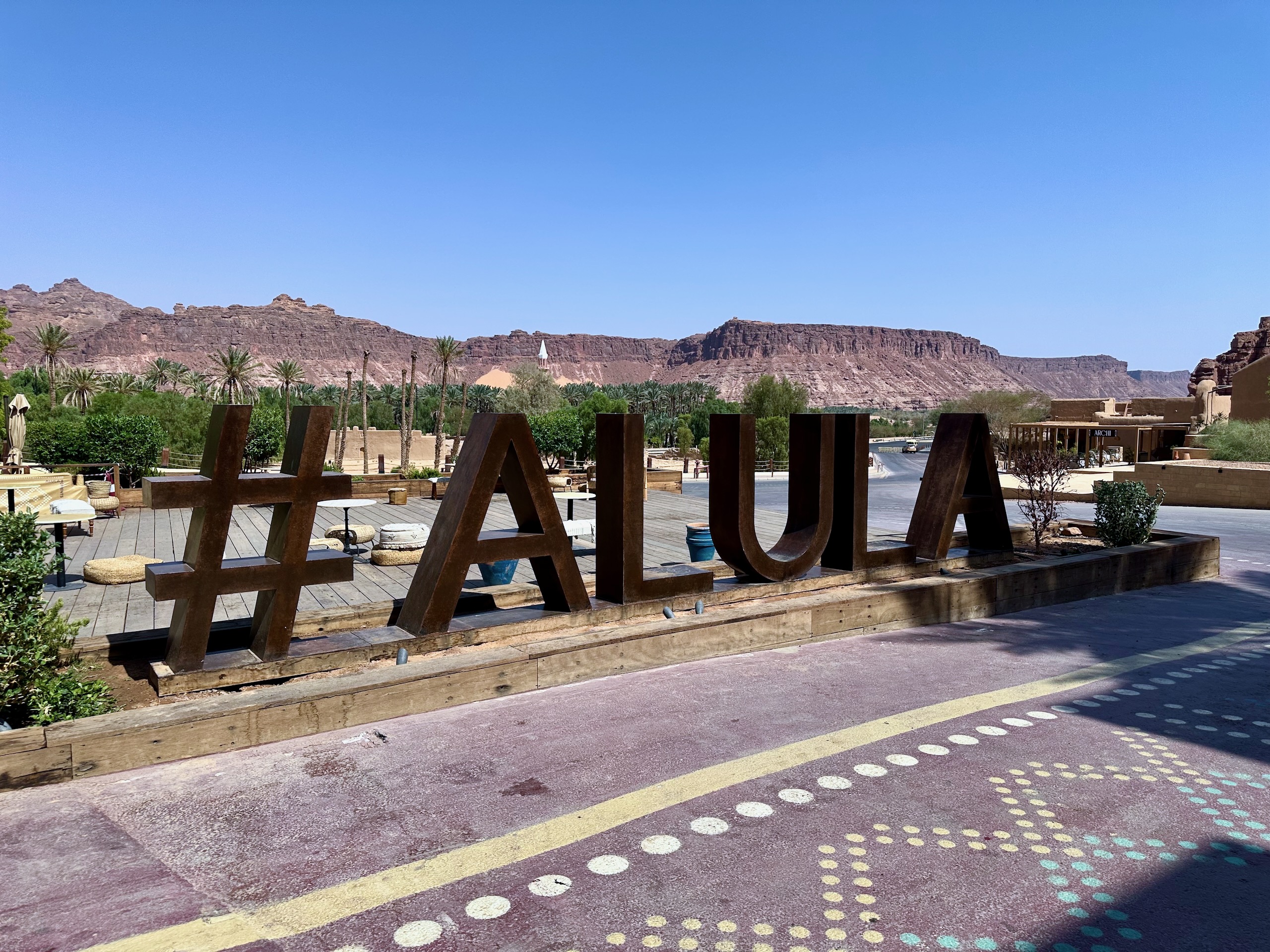
The Old Town in Al Ula is one of those places that shows just how well Saudi Arabia can “dust off” its history and present it in a very modern way. Just a few years ago, Al-Deira was more of a ruin slowly disappearing into the sand. Large-scale revitalization really kicked off after 2017, when the Royal Commission for AlUla was established. Market Street opened to visitors in 2021, and the area began coming back to life in the form you see today: walkable streets, lighting, restaurants, and plenty of details, all put together to feel intentional and very “premium.”
From our point of view, the place is really well maintained. You can feel the money behind it, even if it’s hard to find a public figure dedicated strictly to the Old Town itself. What is known is that the entire Journey Through Time master plan for Al Ula is valued at around 15 billion USD, and it all starts right here, in the Old Town. On site, it’s easy to see. Restored buildings, consistent aesthetics, and tourist infrastructure that clearly wasn’t done on a tight budget.
Oases near the Old Town
Pin on Google Maps – click here.
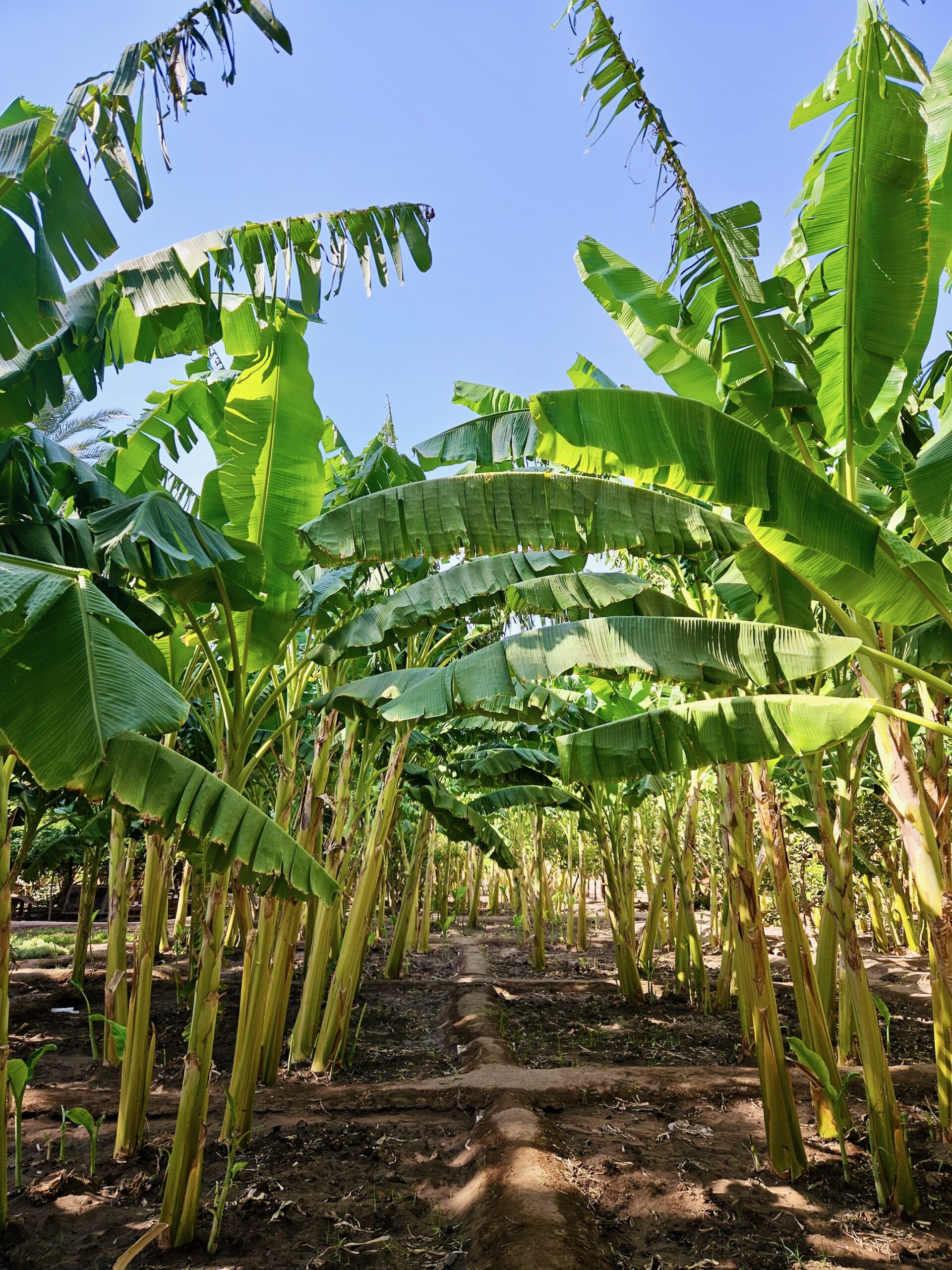
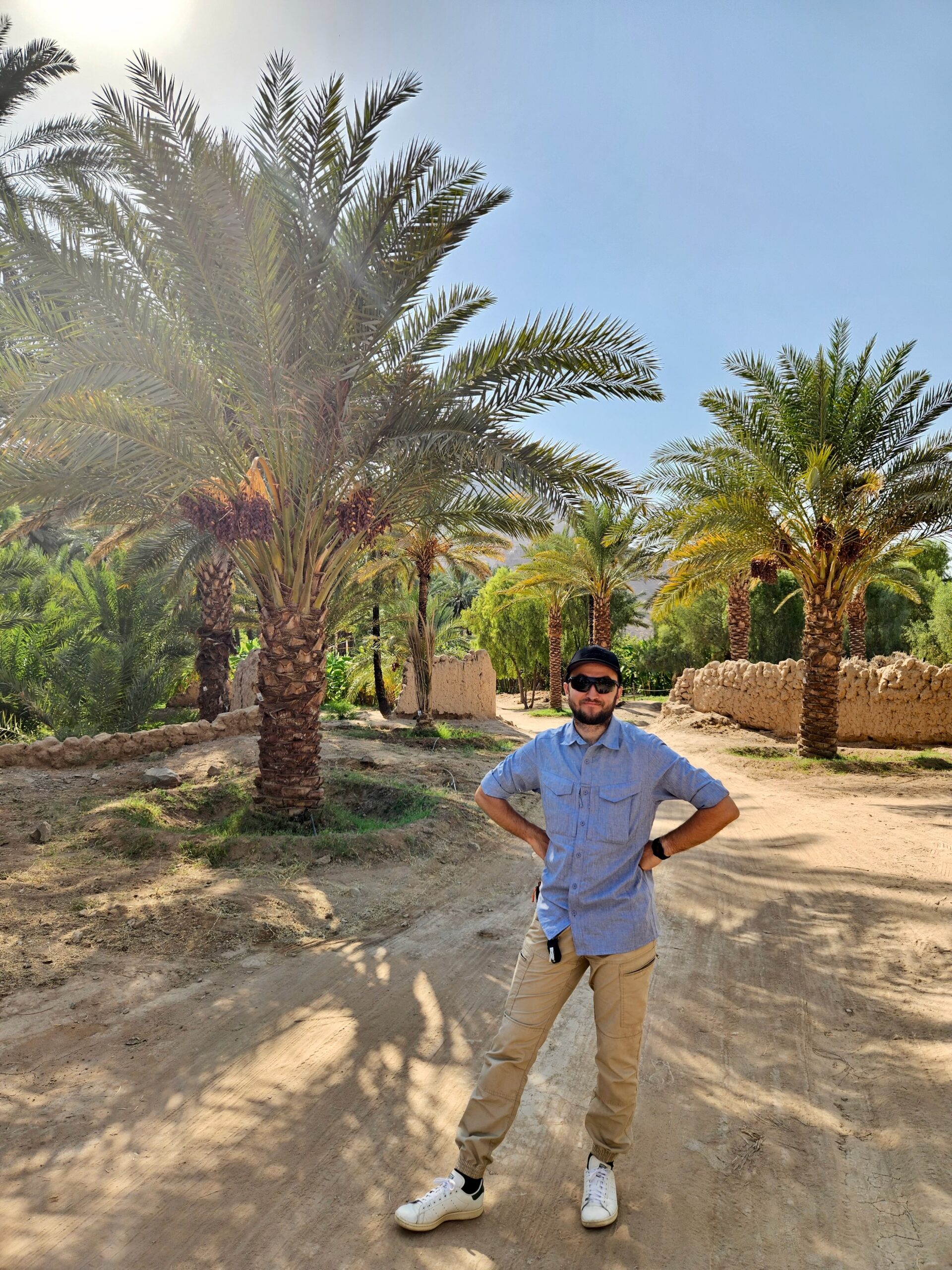
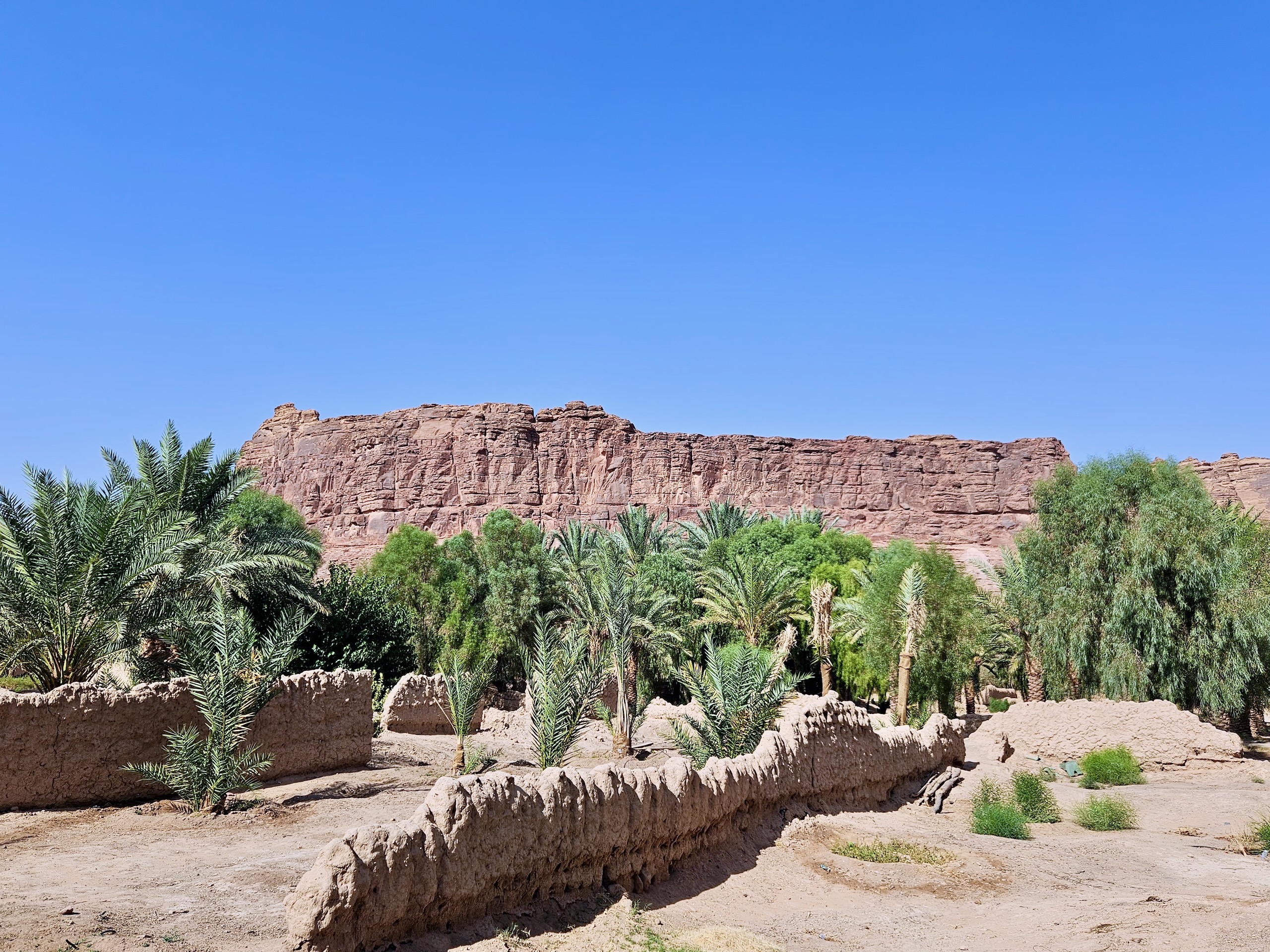
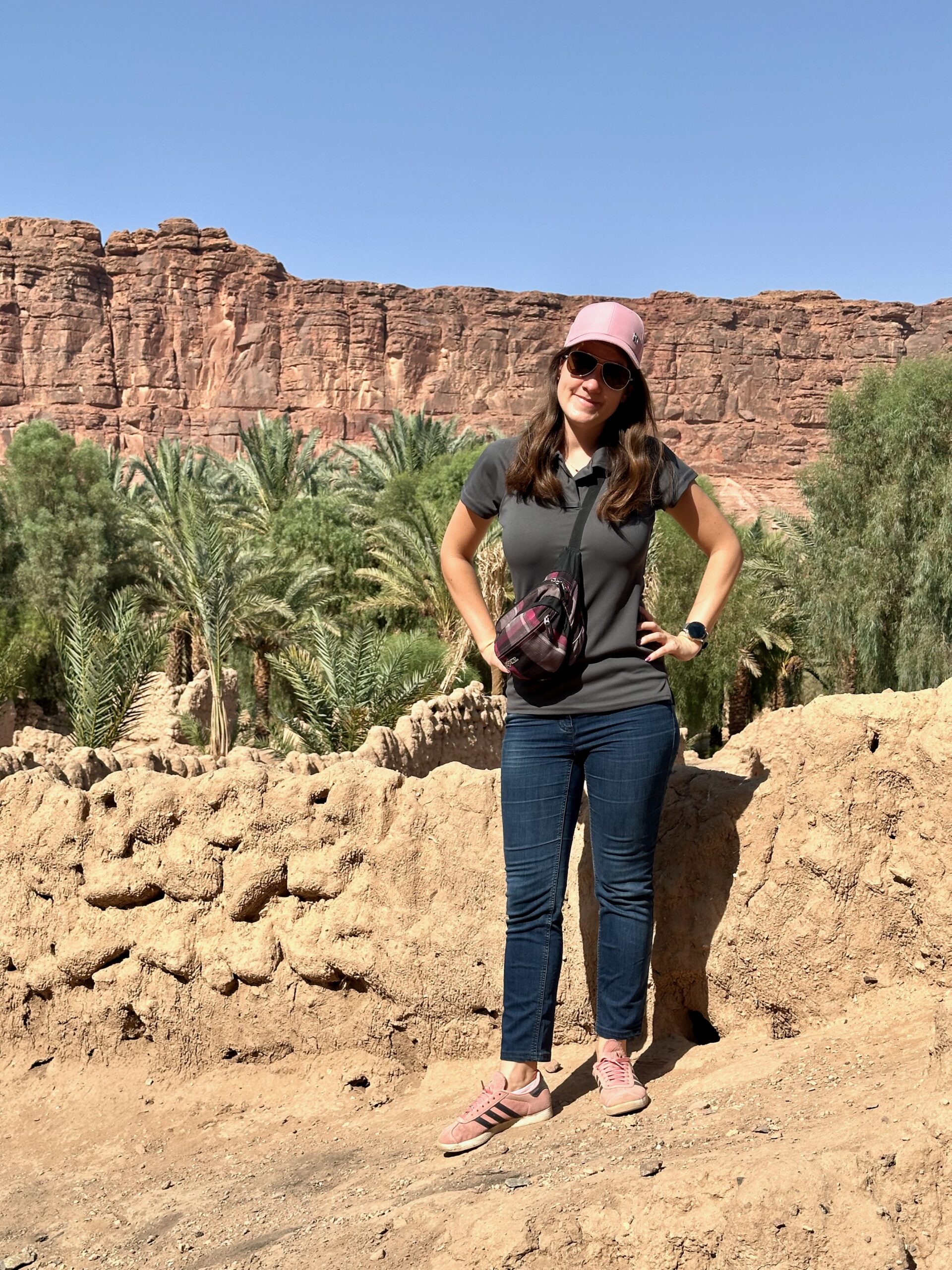
That green patch next to the Old Town is a great contrast to all the desert scenery around. In practice, you step into a calm zone full of palm trees and a general sense of “breathing space.” It’s part of the larger Al Ula Oasis, a place with strong historical importance and one that’s now being heavily revitalized as part of the region’s development plans. Since 2021, UNESCO and the Royal Commission for AlUla have been working together to protect this heritage and “wake up” the oasis in a way that also benefits the local community.
For us, it was the perfect spot for a relaxed walk, especially when we wanted to burn off a few calories without chasing the next “must-see.” There are lots of palm trees, the paths are pleasant, and the overall vibe is much more chilled than on the main promenades.
Logistically, it works very similarly to the Old Town. It’s best to leave your car in the parking area and walk in, without trying to stop along the road that runs next to the Old Town. The oasis itself is also part of a larger regeneration axis known as the Cultural Oasis, a kind of “green lung” connecting the Old Town with Dadan and Jabal Ikmah as part of the Journey Through Time master plan.
Elephant Rock
Pin on Google Maps – click here.
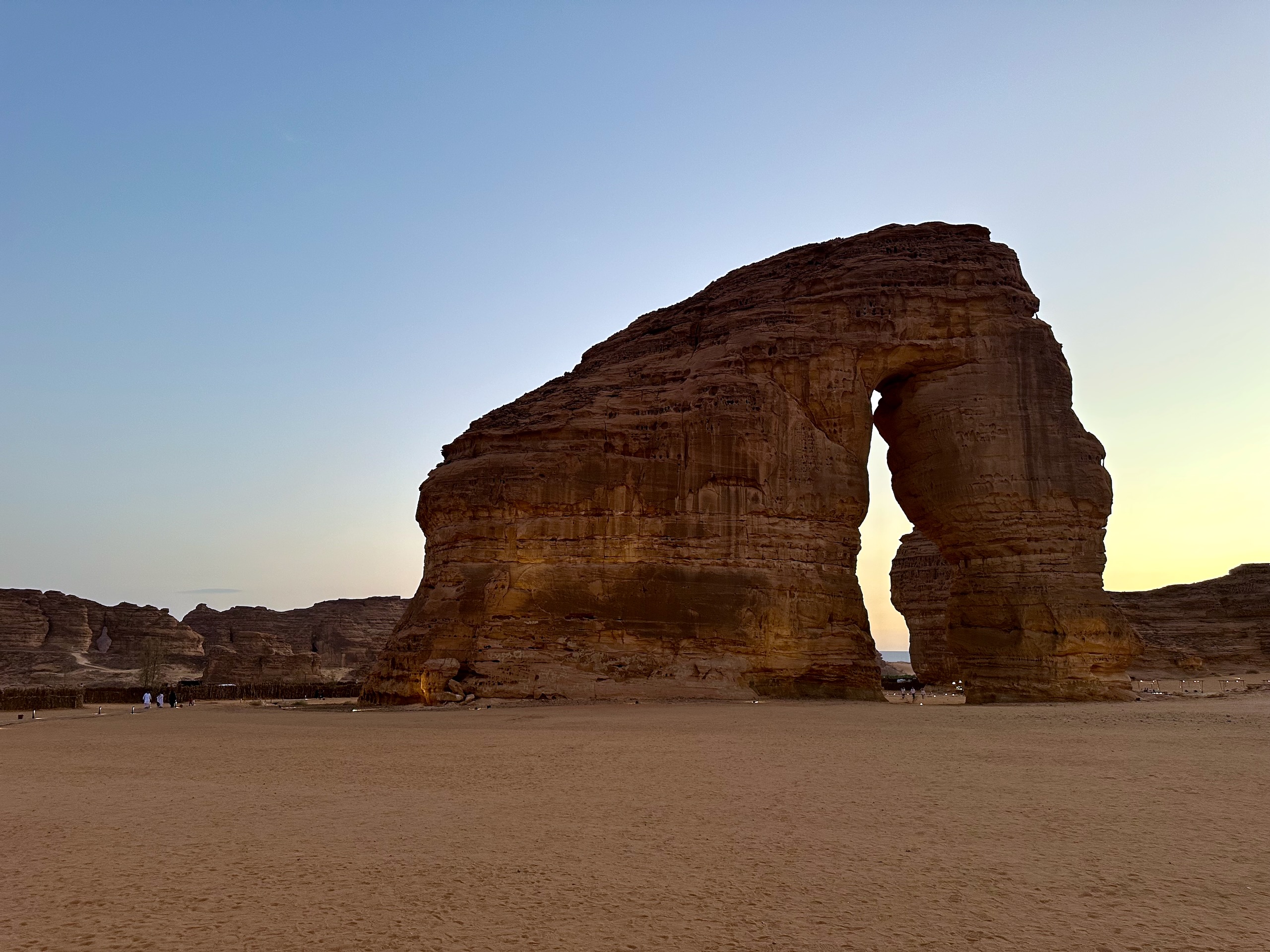
I won’t pretend to be modest here. This place has a special status for us, because this is exactly where I proposed to Jadzia xD And since elephants are supposed to bring good luck, the universe clearly approved the decision haha.
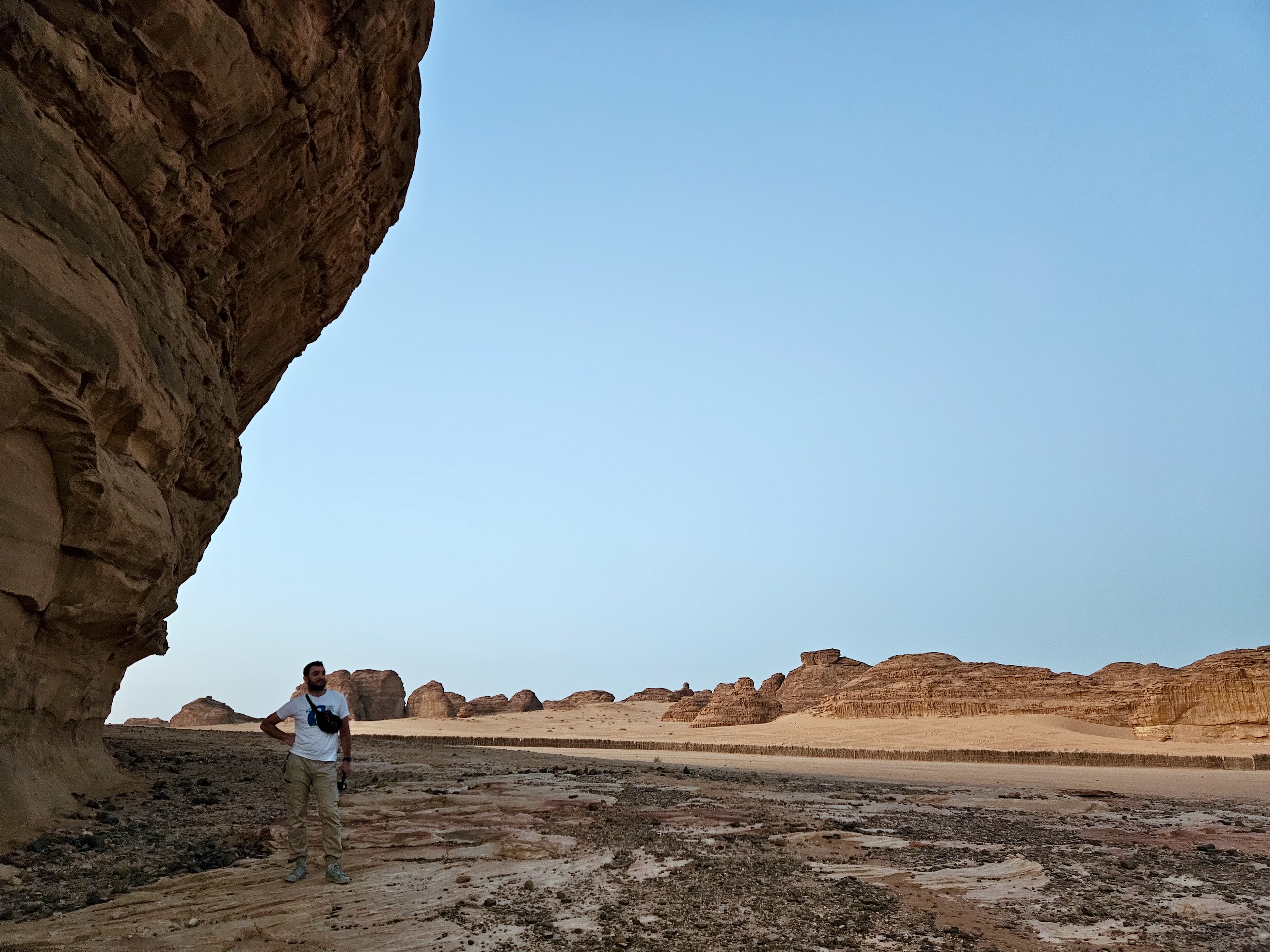
Geologically, it’s actually quite simple, which makes it even cooler. Jabal AlFil (that’s the official name) is a massive natural sandstone formation, shaped over years by wind and erosion into a form you just can’t ignore. You look at it once and there’s no doubt where the elephant name comes from.
It’s best to come here in the evening. The rock is illuminated after dark, the vibe turns very “desert chill”, and the place clearly comes alive in the evening. Officially, Elephant Rock is open from the afternoon until midnight, with extended hours on selected days, so the plan is pretty clear. This is meant to be an evening stop, not a quick photo in the harsh midday sun.
It looks great in real life, but phones at night often struggle to capture the texture of the rock and the whole lighting magic. If you have a proper camera with a fast lens, you can get some really nice shots here, especially shortly after sunset, when the sky still has some color left.
The logistics are dead simple. The city has set this up as a proper visitor area: a parking lot, pedestrian paths, places to sit, and food options nearby. The access road isn’t paved, but even small sedans can handle getting here without any issues.
Hegra
Pin on Google Maps – click here.
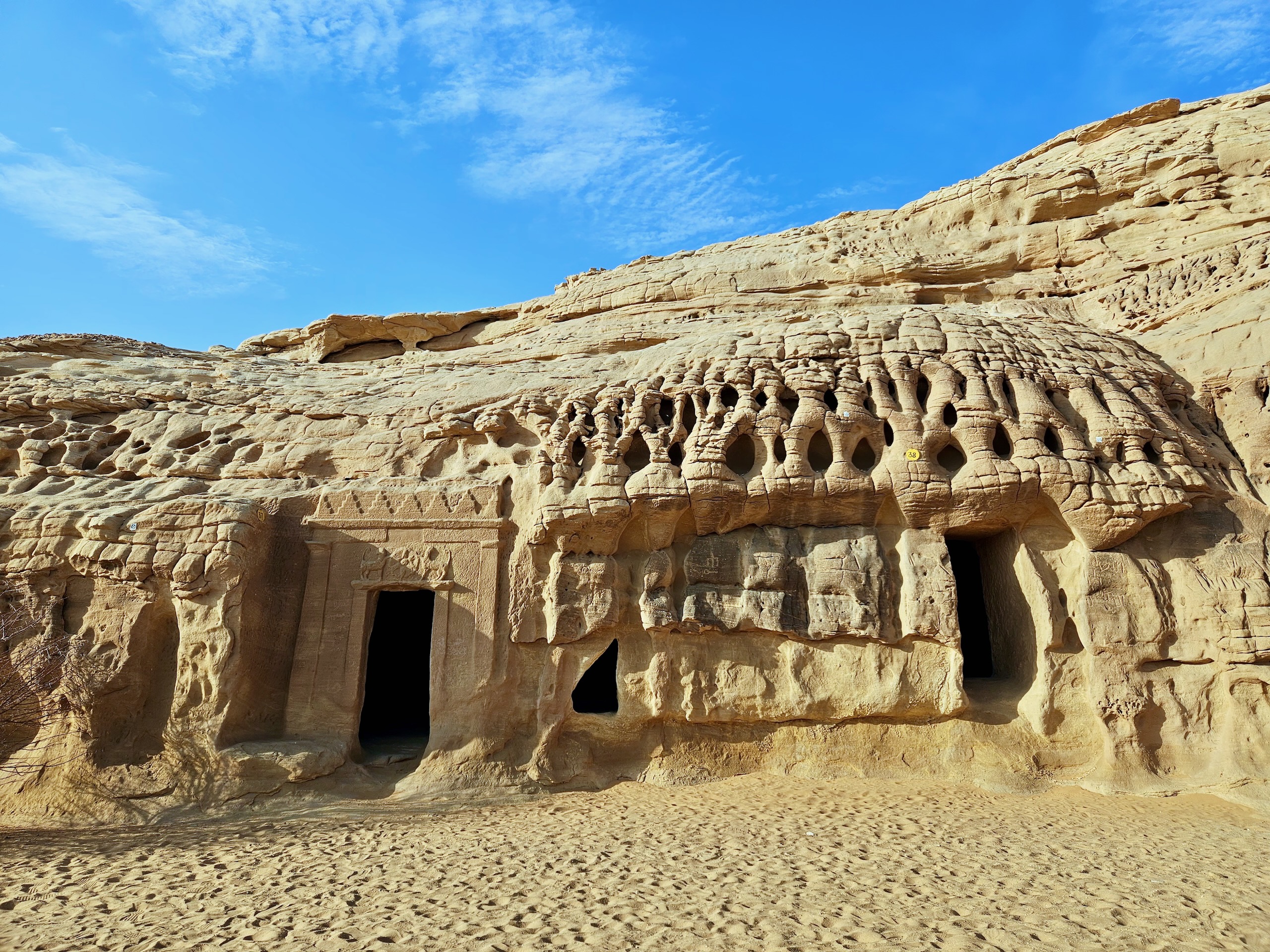
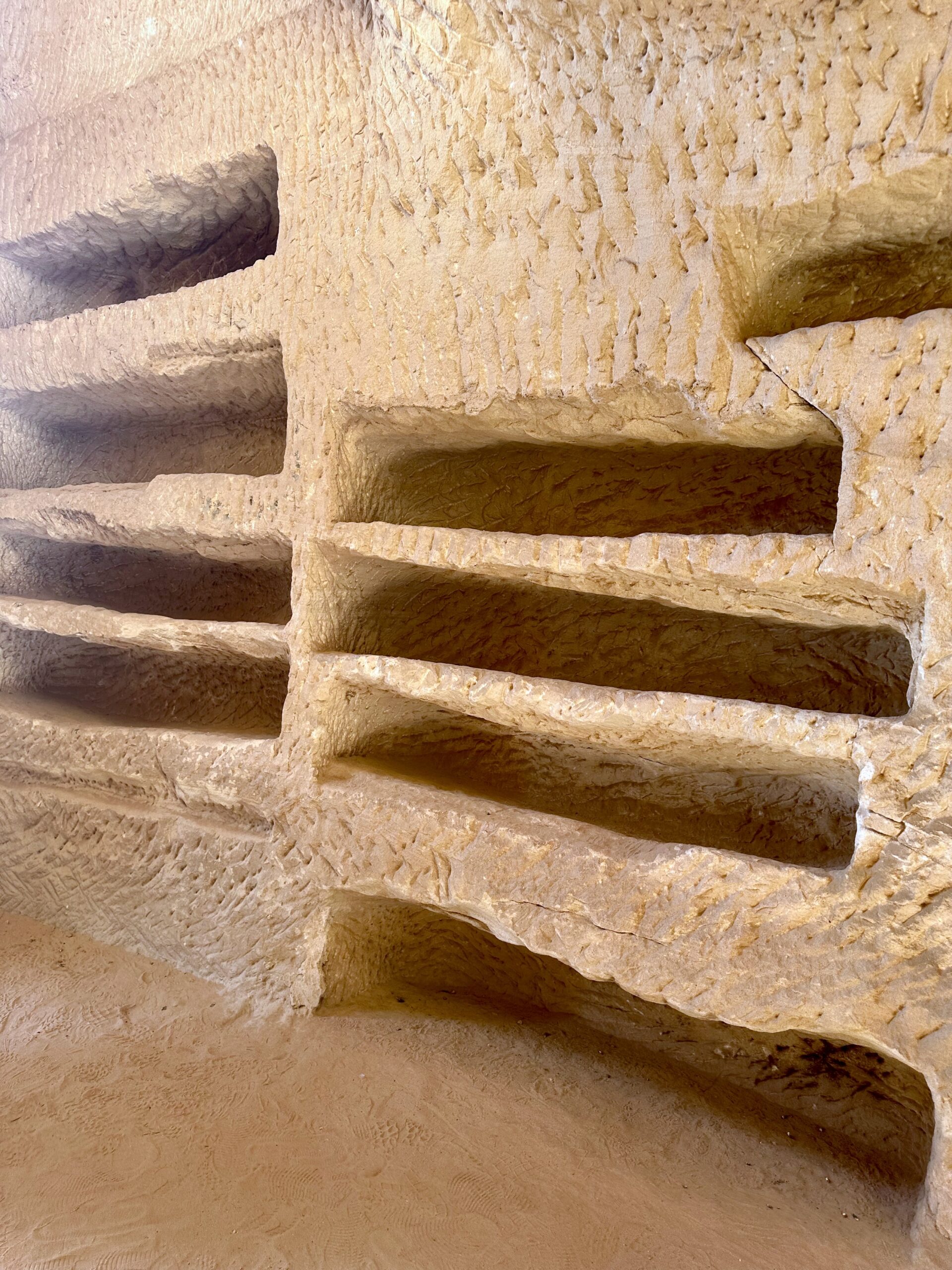
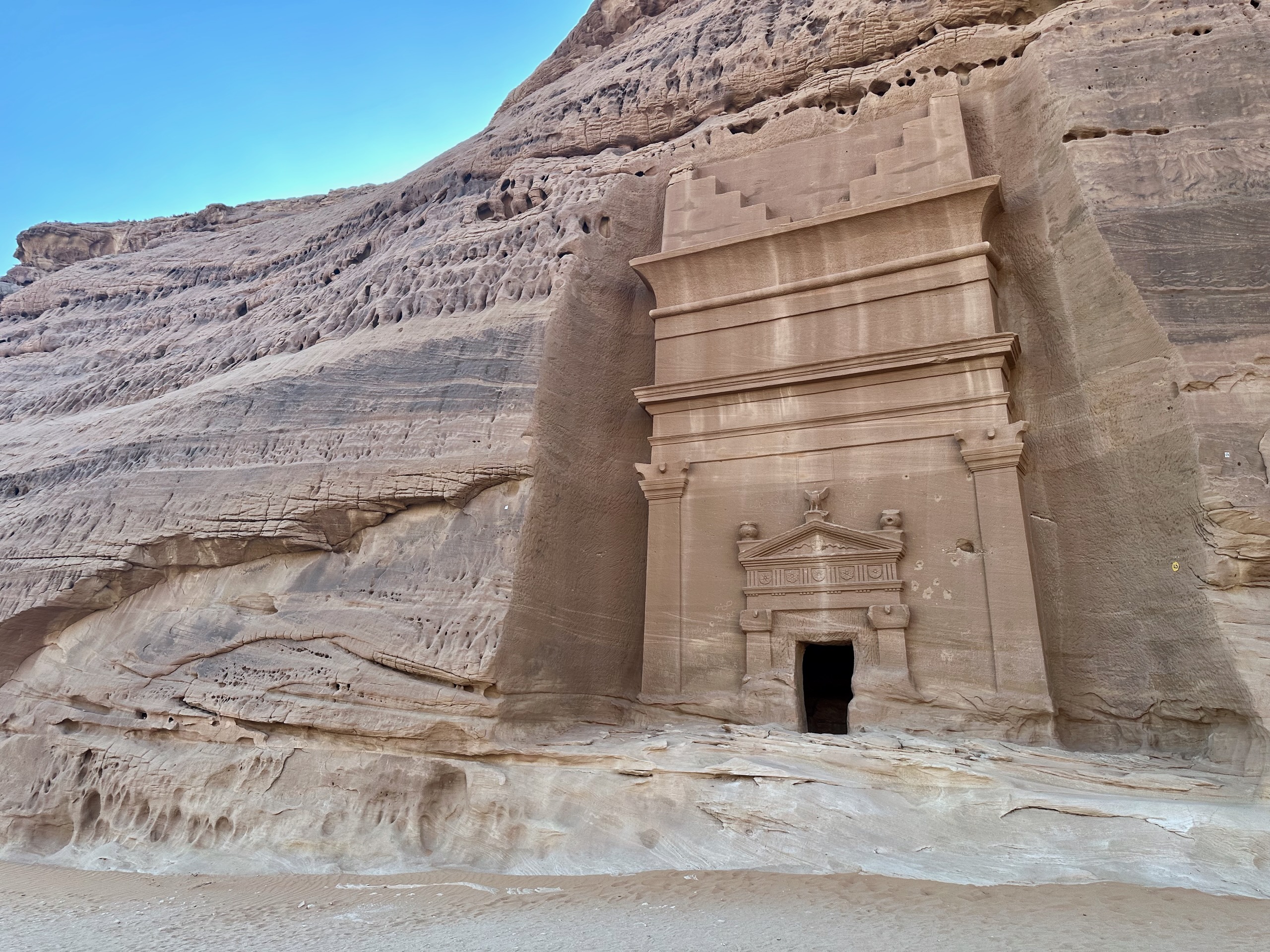
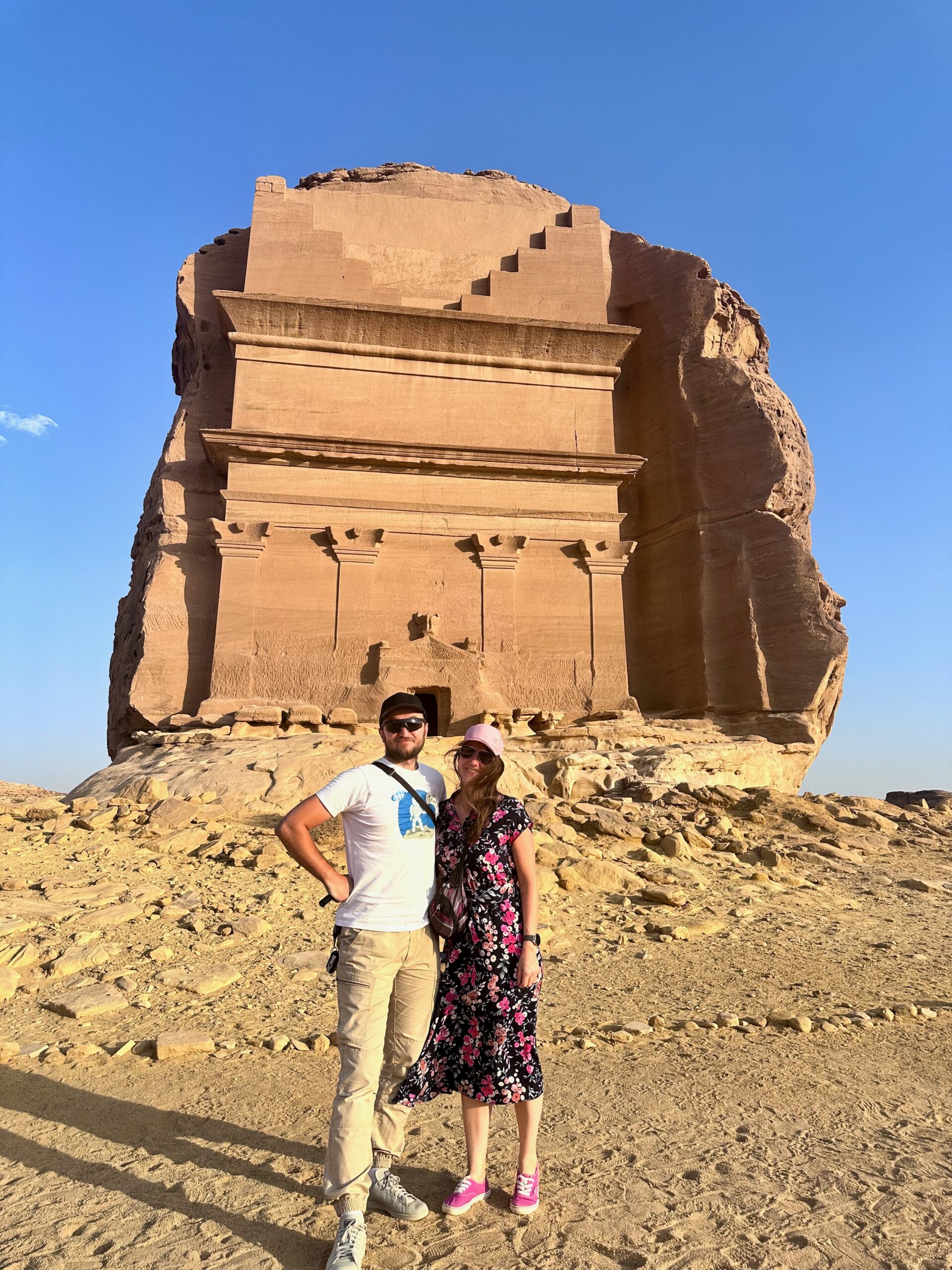
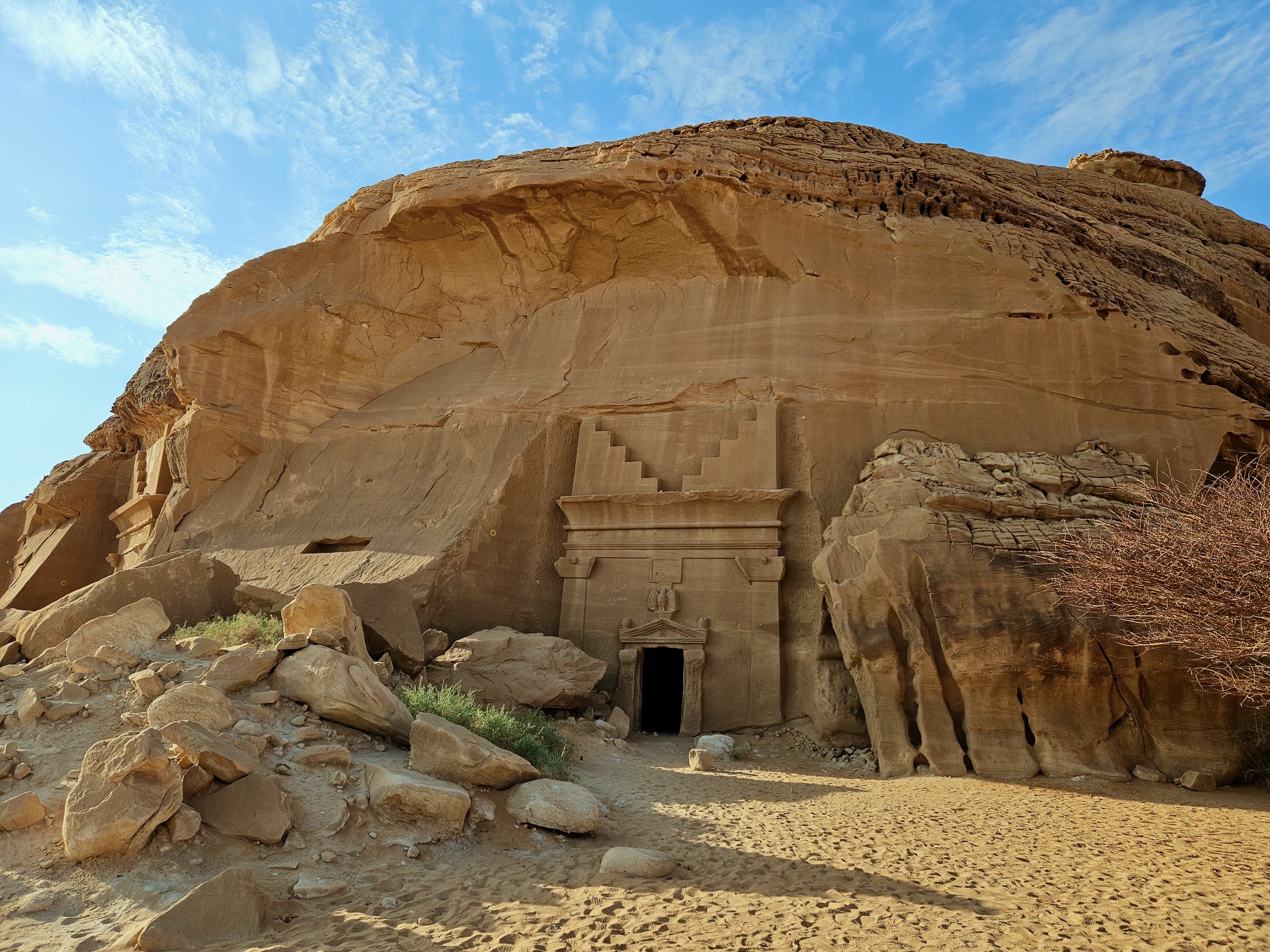
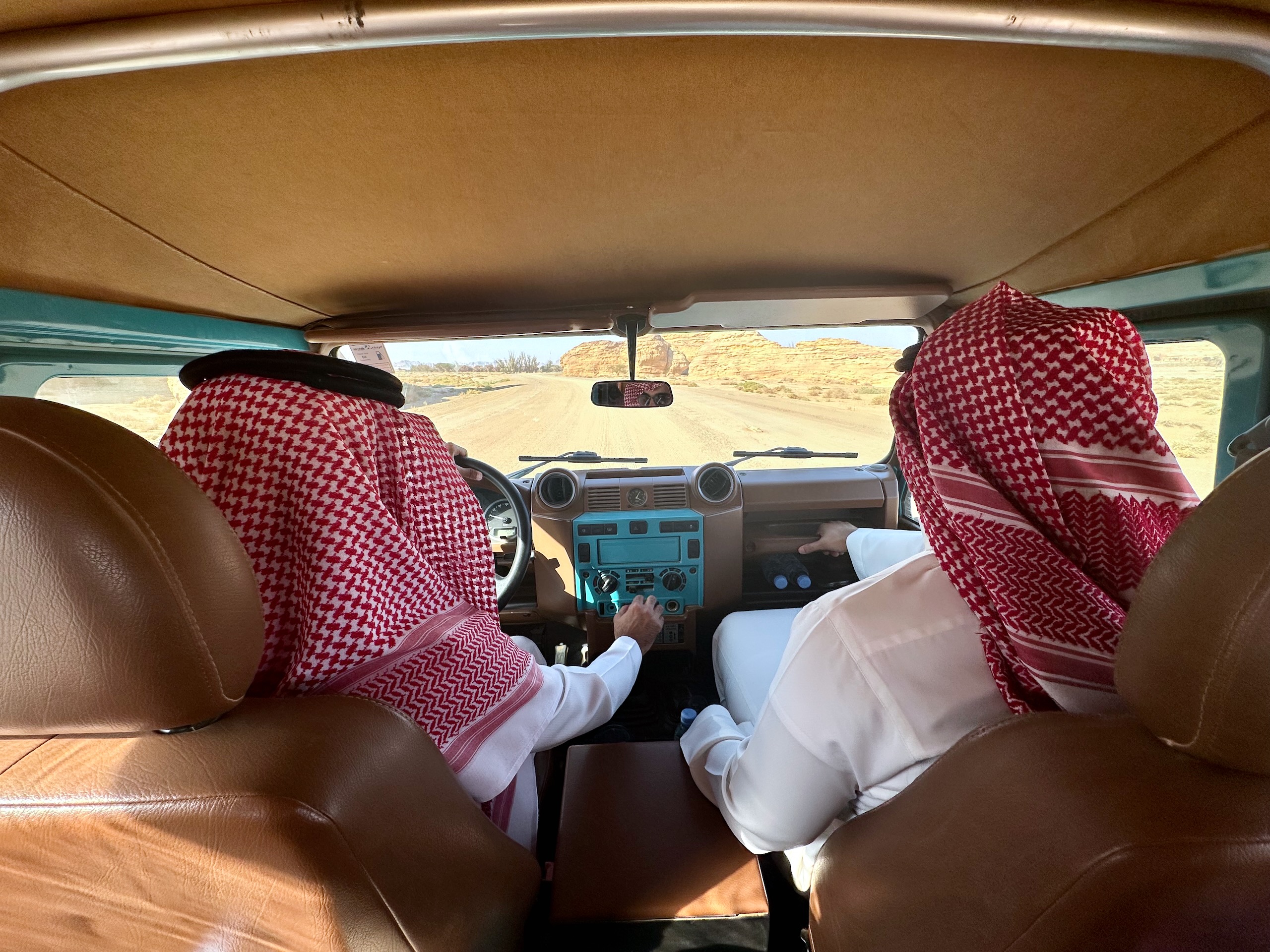
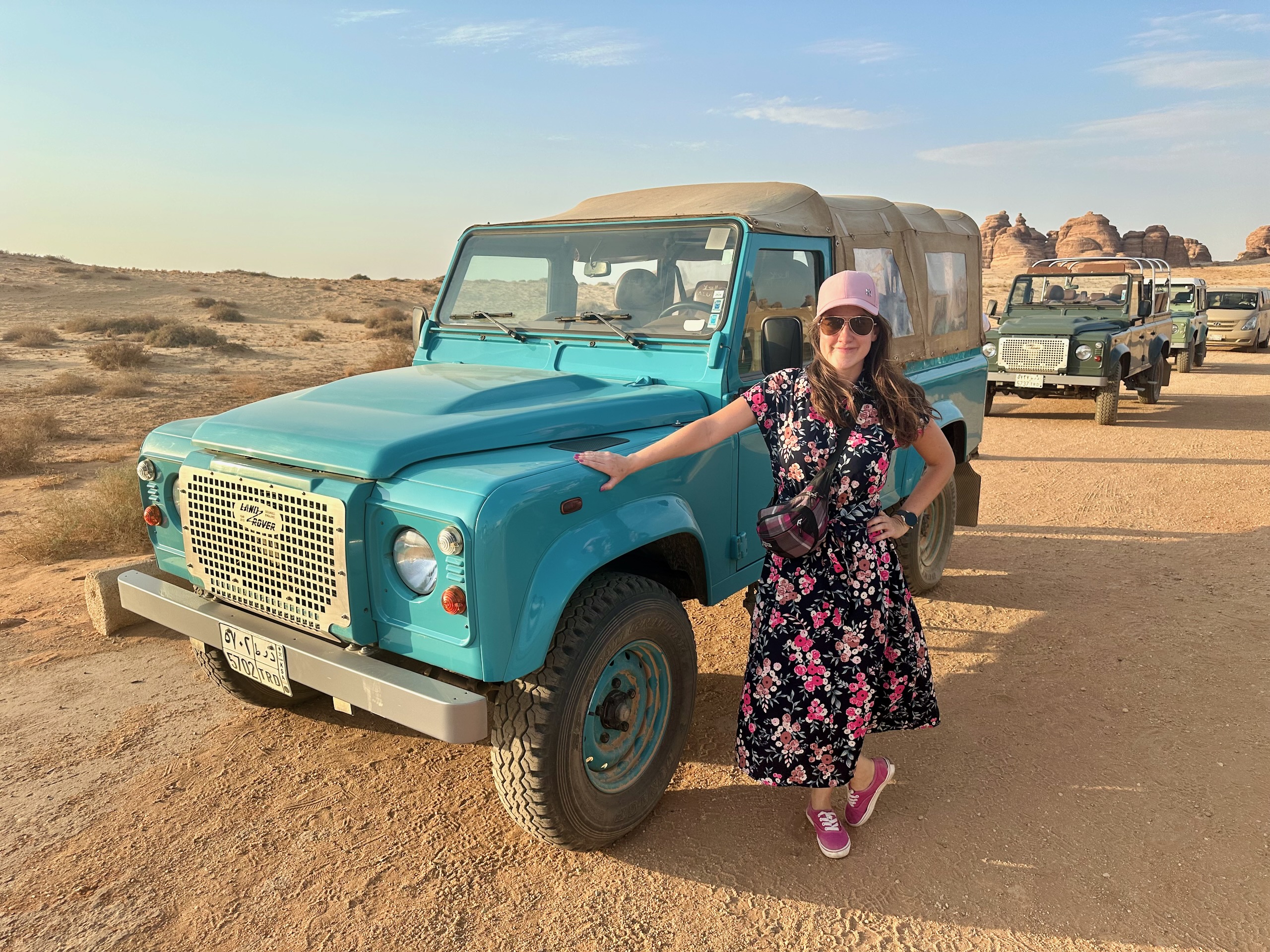
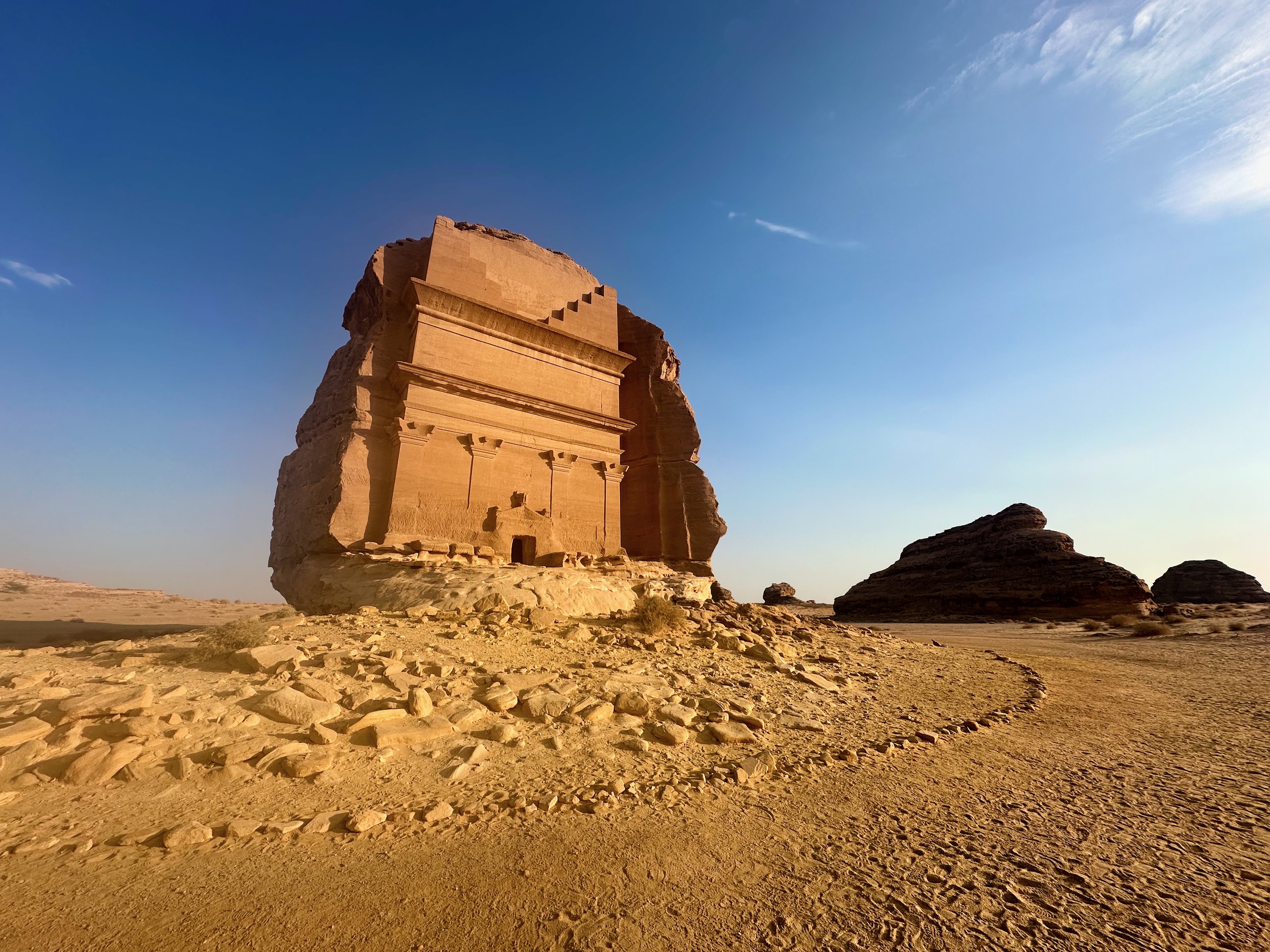
If someone told us that there’s one “big” attraction in Al Ula you could skip, Hegra would definitely not be on that list. In short: it’s the most important Nabataean site in Saudi Arabia and also the country’s first UNESCO World Heritage site. The tombs are exceptionally well preserved, and the entire complex was the second most important Nabataean city after Petra in Jordan. And you can really feel that same architectural “family resemblance” here, just on a different scale and set in a different landscape.
In practice, you’re looking at monumental tombs carved into sandstone, mostly dating from the 1st century BCE and the 1st century CE. At first glance, you might think these are just random rocks with cool shapes marked on a map, but that’s not the case at all. These are very concrete stories carved into façades, inscriptions, and the overall layout of the necropolis. UNESCO also highlights the many inscriptions and traces of earlier cultures, so there’s much more to “read” here than it might seem at first sight.
Maraya
Pin on Google Maps – click here.
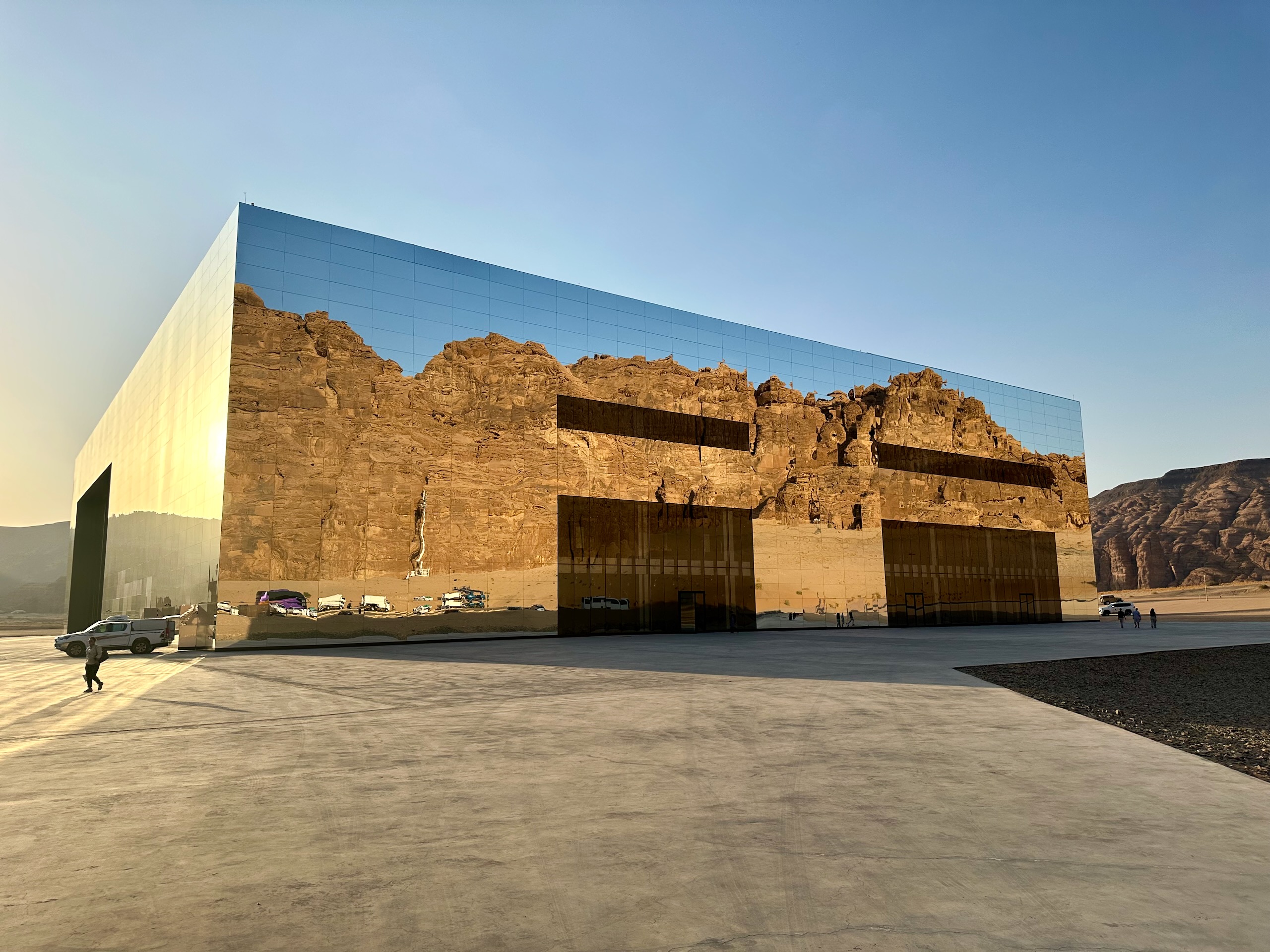
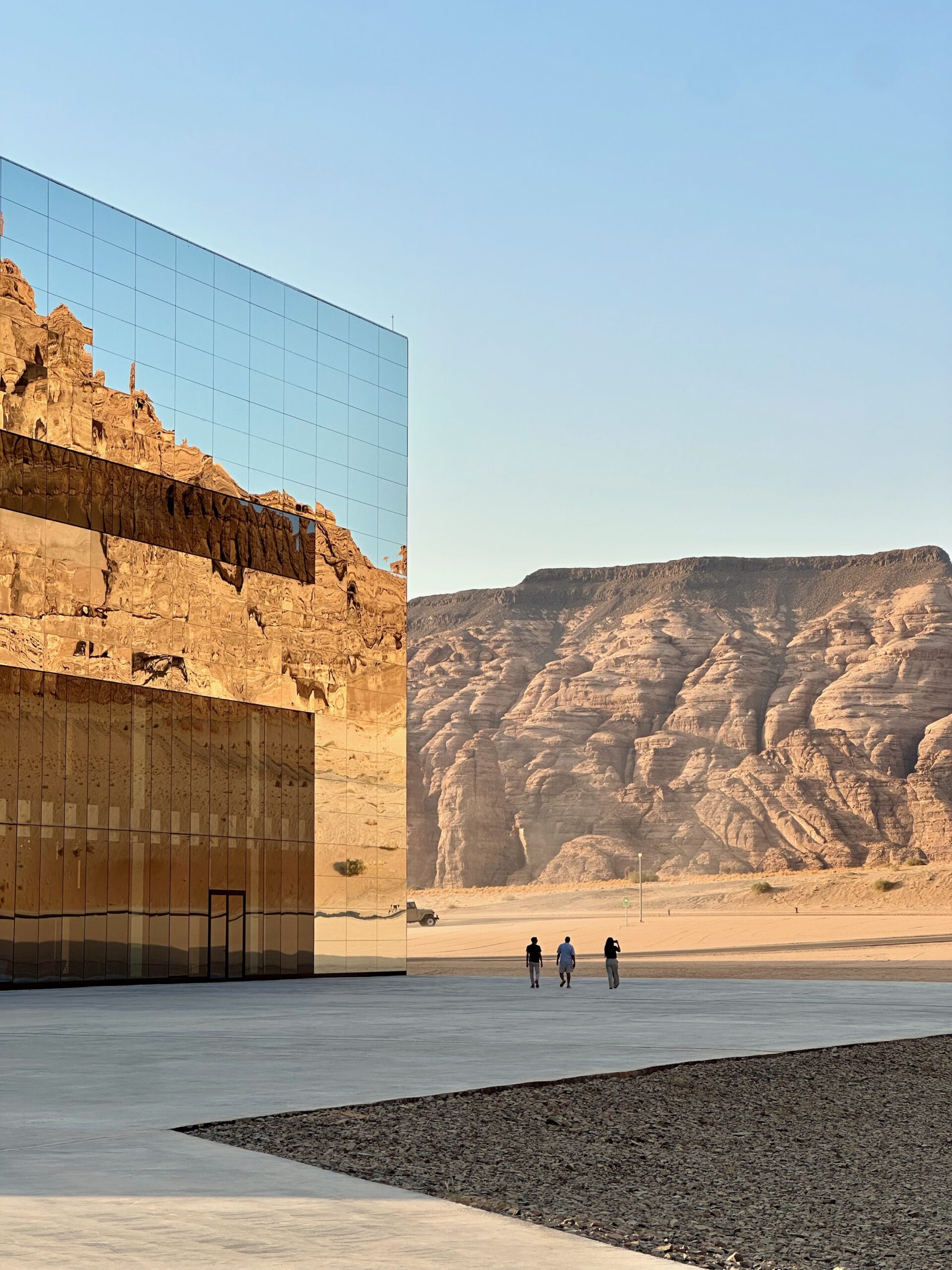
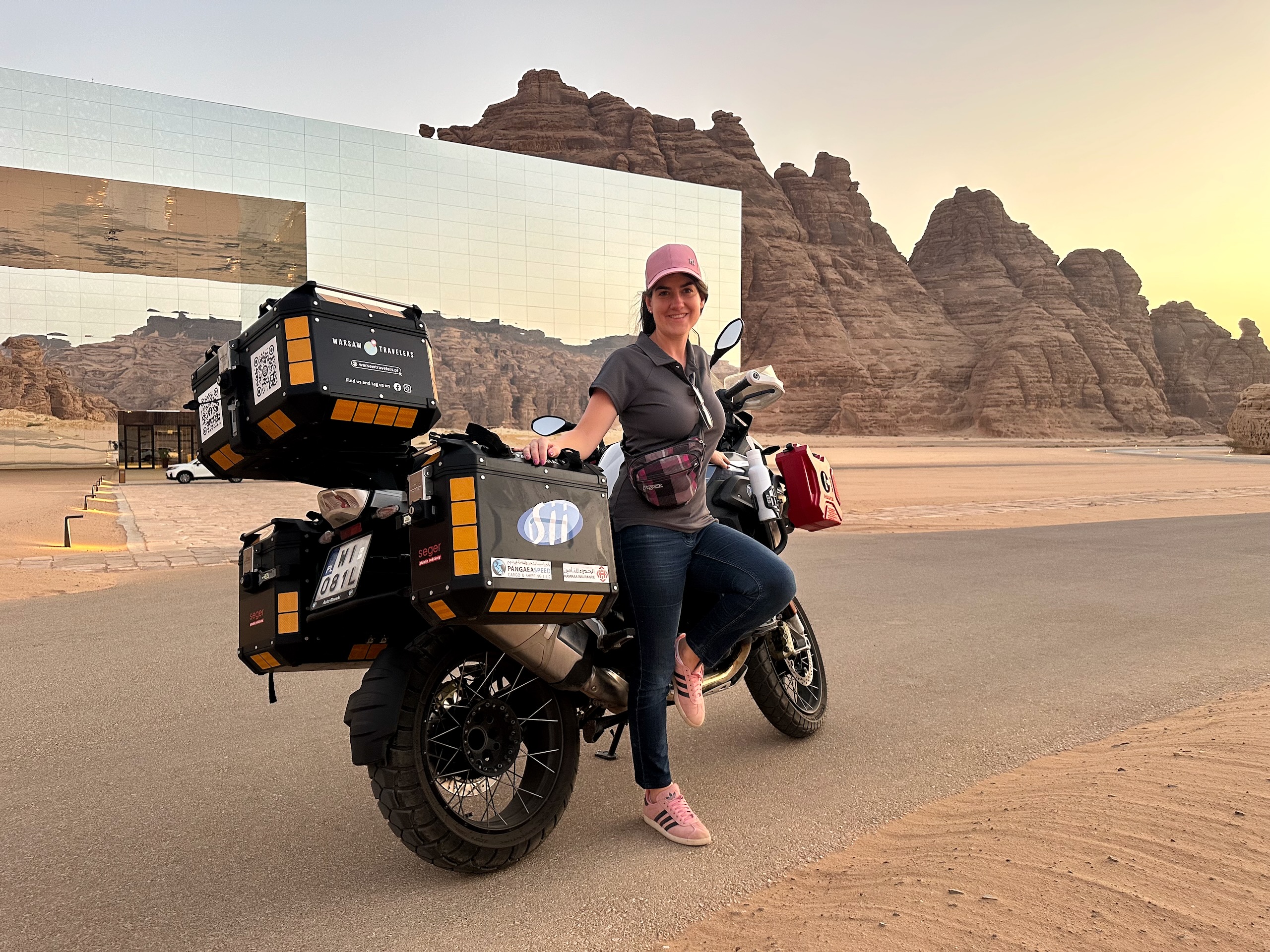
There’s no point pretending — you simply can’t walk past Maraya without reacting. In this valley, it looks like a cosmic block that fell out of orbit and decided to reflect absolutely everything around it. And that’s exactly the point, because the name Maraya means “mirrors” or “reflections” in Arabic.
It’s a multi-purpose concert and event venue commissioned by the Royal Commission for AlUla, opened at the end of 2019. Not long after, it also picked up a Guinness World Record as the largest mirrored building in the world, with 9,740 m² of reflective “mirror skin.” In real life, this beast is seriously impressive. The structure can almost disappear into the landscape, or shine so brightly that you instinctively squint your eyes.
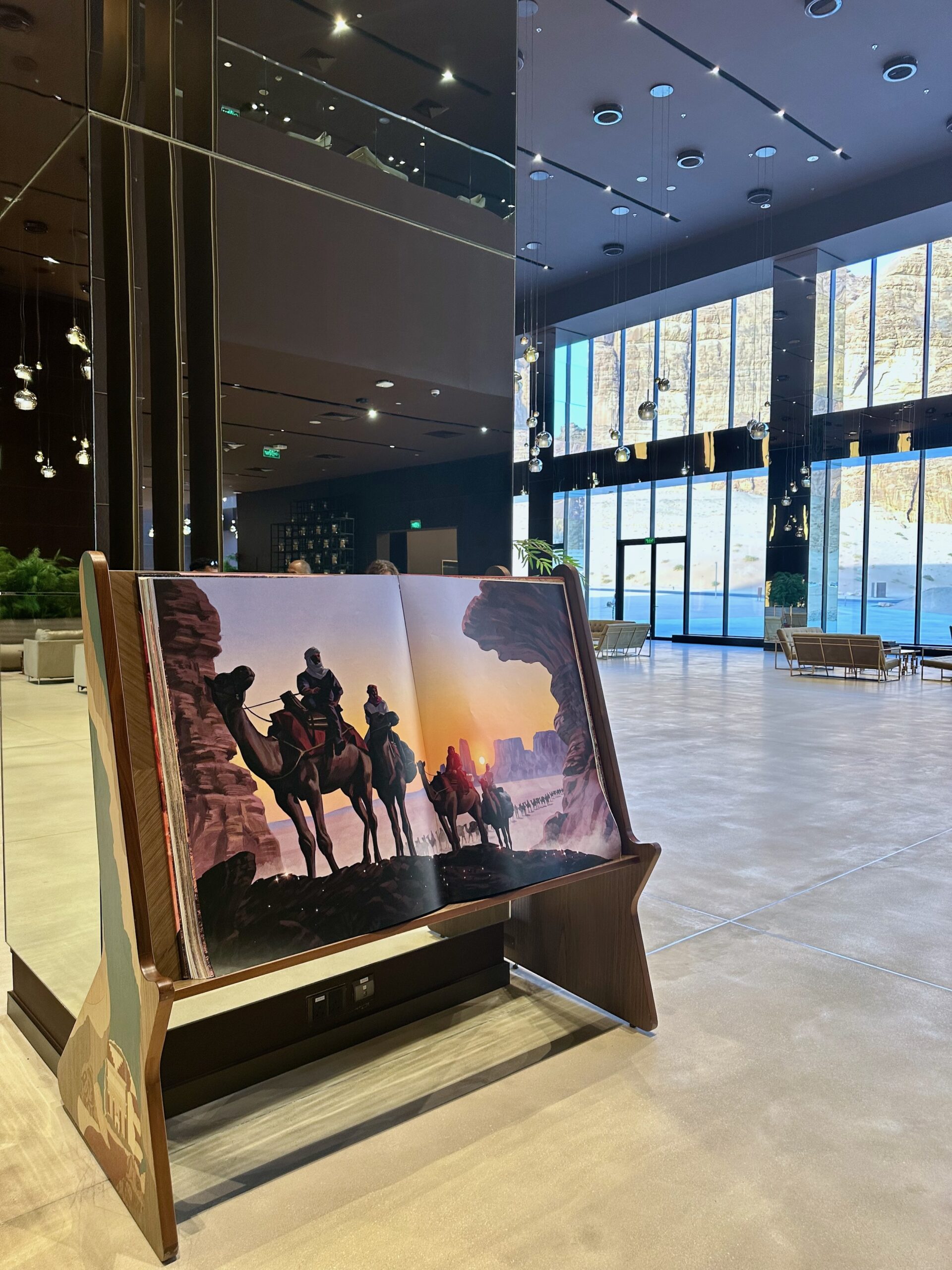
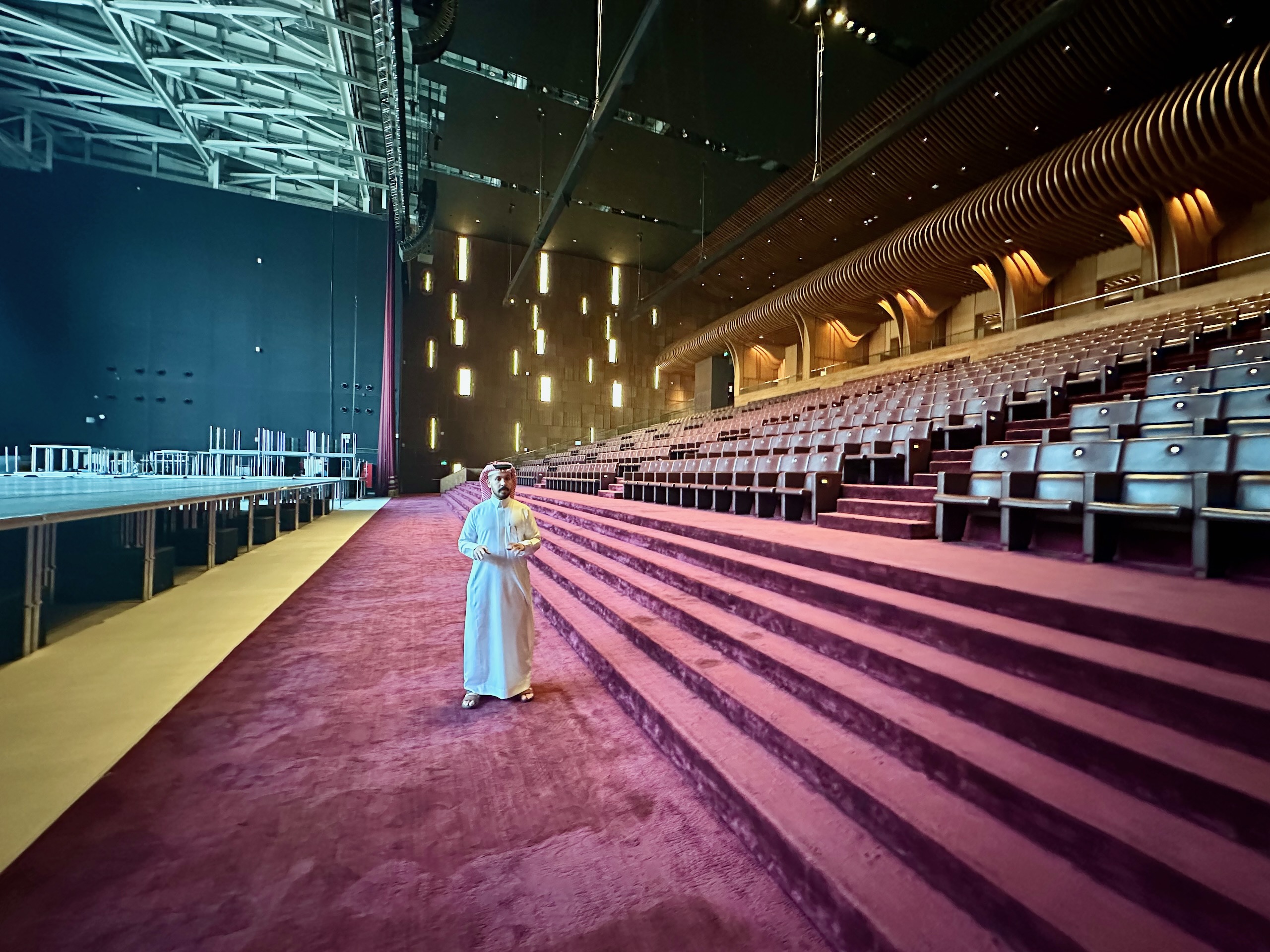
From an organizational point of view, there’s one important thing to know: you don’t just walk into Maraya whenever you feel like it. Access to the interior is reserved for people with tickets to specific events or for those who have booked an official tour. The guided Maraya Tour is available with standard tickets, priced at 95 SAR for adults.