
Ten wpis jest również dostępny w języku:
 Polski
Hello! 👋
Ankara isn’t the kind of place you end up in by accident. It doesn’t pop up in every ad, it’s not shouting from travel agency posters, and it won’t chase you around with postcard views. Yet once you finally get there, you realize it has far more to show than the quiet presence it keeps in most travel guides would suggest.
We dropped by during Desert Horizons — our route from Poland through Turkey and onward to the Middle East. There was the bike, the panniers, the sore legs from all the uphill walks — and then there was Ankara, which quickly stopped being just a “technical stop in the capital” and turned into a collection of moments, views, and snapshots we actually want to look back on.
In this post, we’re sharing exactly those spots — the ones we actually visited, walked through, photographed, and can genuinely recommend adding to your own Ankara itinerary.
If you’re after the practical side of things — how to get there, SIM cards, money matters — check out our separate Ankara travel guide. Here, we’re cutting straight to the good stuff: what’s actually worth seeing in Turkey’s capital.
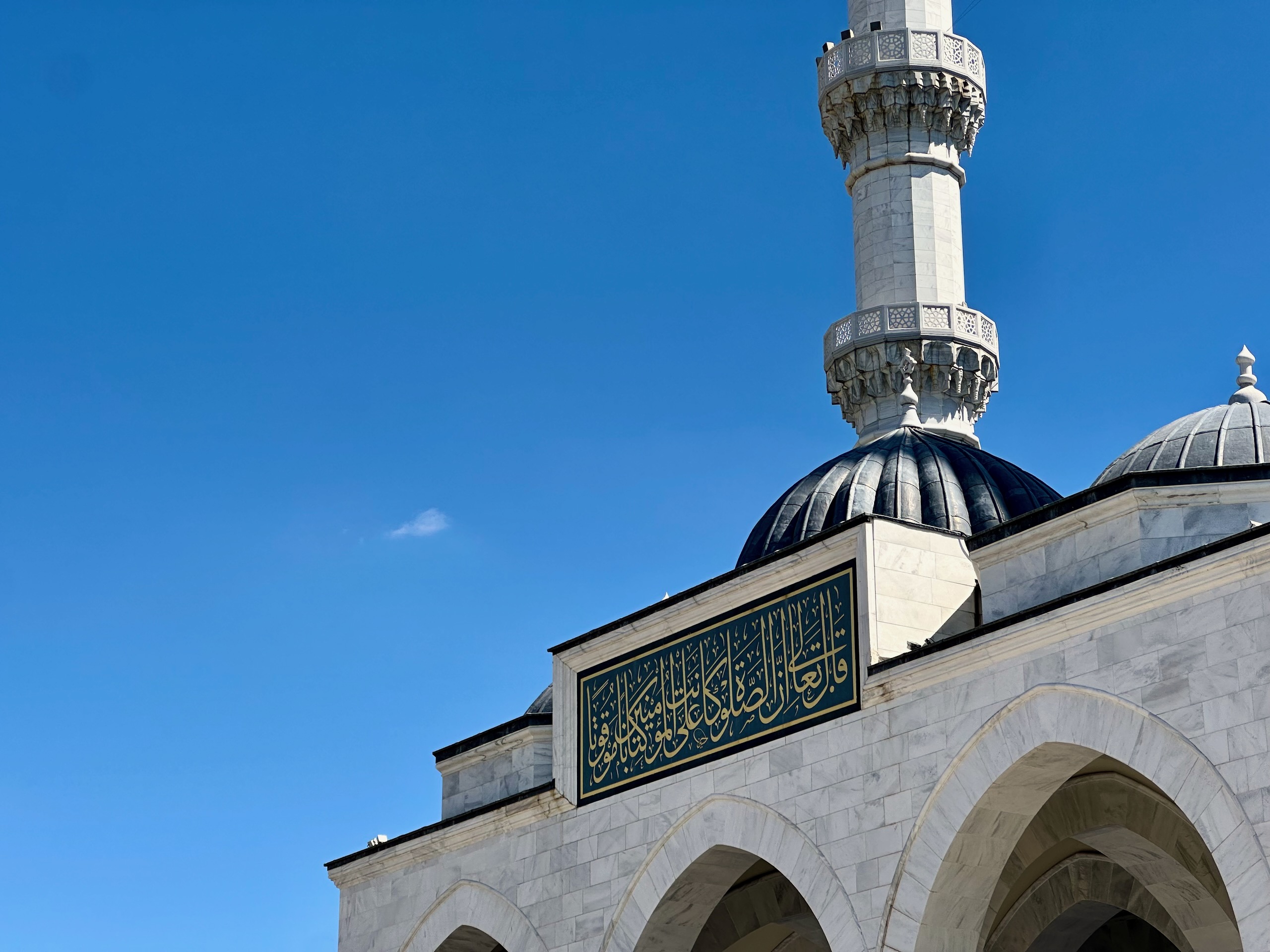
Melike Hatun Mosque
🇹🇷 Melike Hatun Mosque / 📌 Pin on Google Maps – click here.
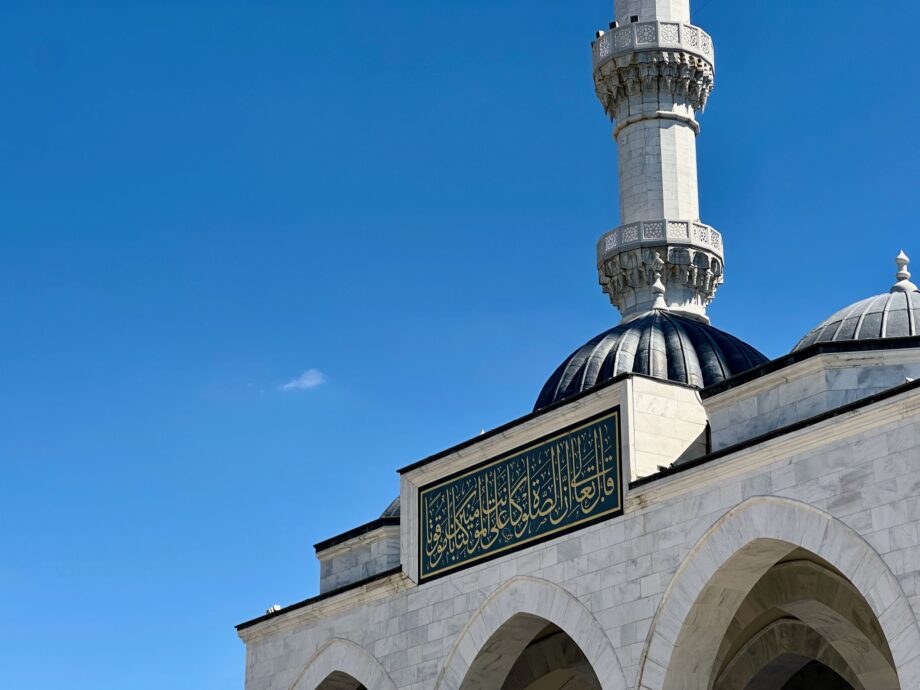
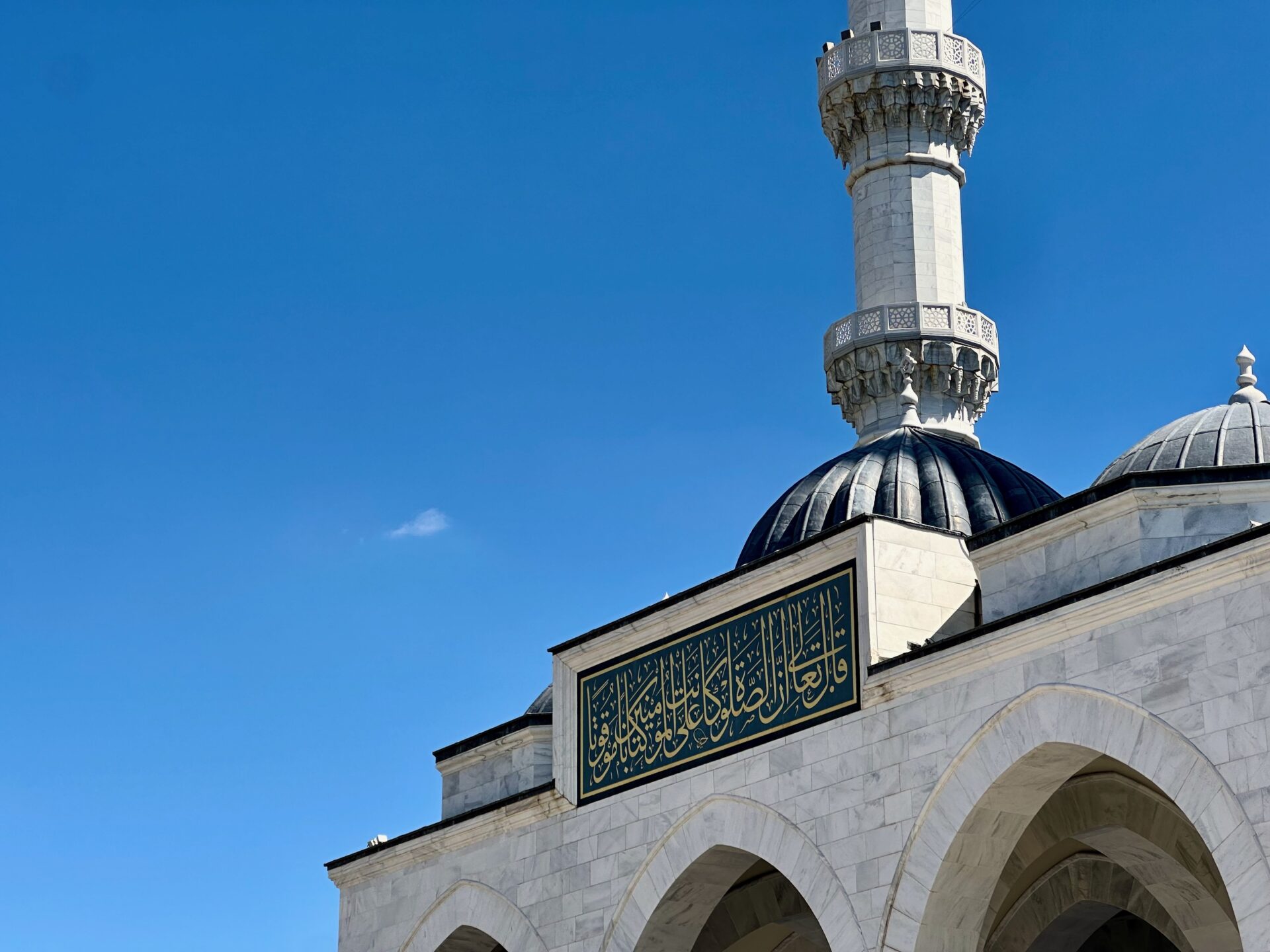
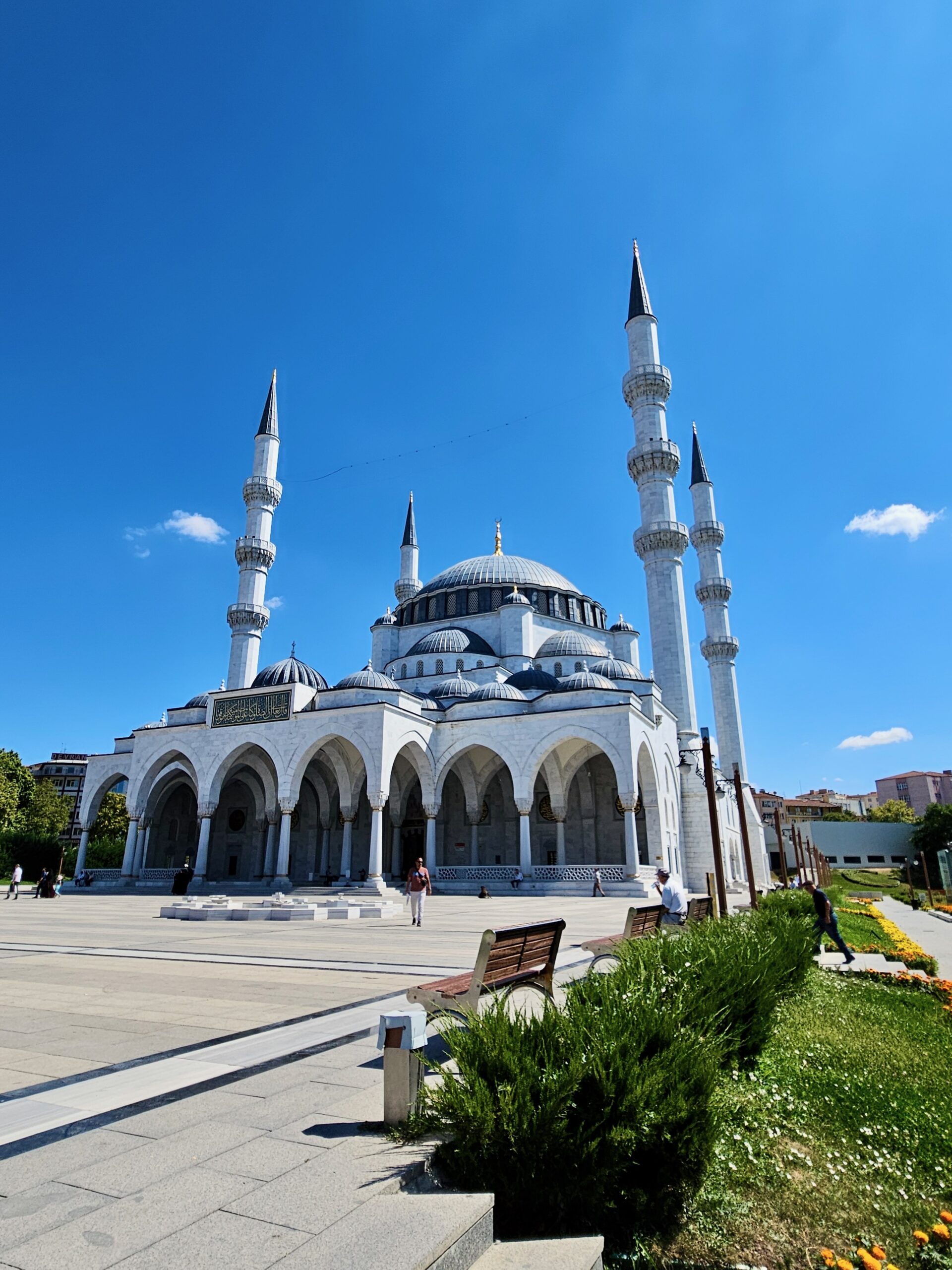
It’s that massive white mosque that inevitably ends up in your photos if you’re wandering between Ulus and Kızılay. Located right on Atatürk Boulevard, next to Gençlik Parkı, it stands on a site that used to be known more for its chaos than for elegant architecture. Now, it dominates the skyline of this part of the city — impossible to miss.
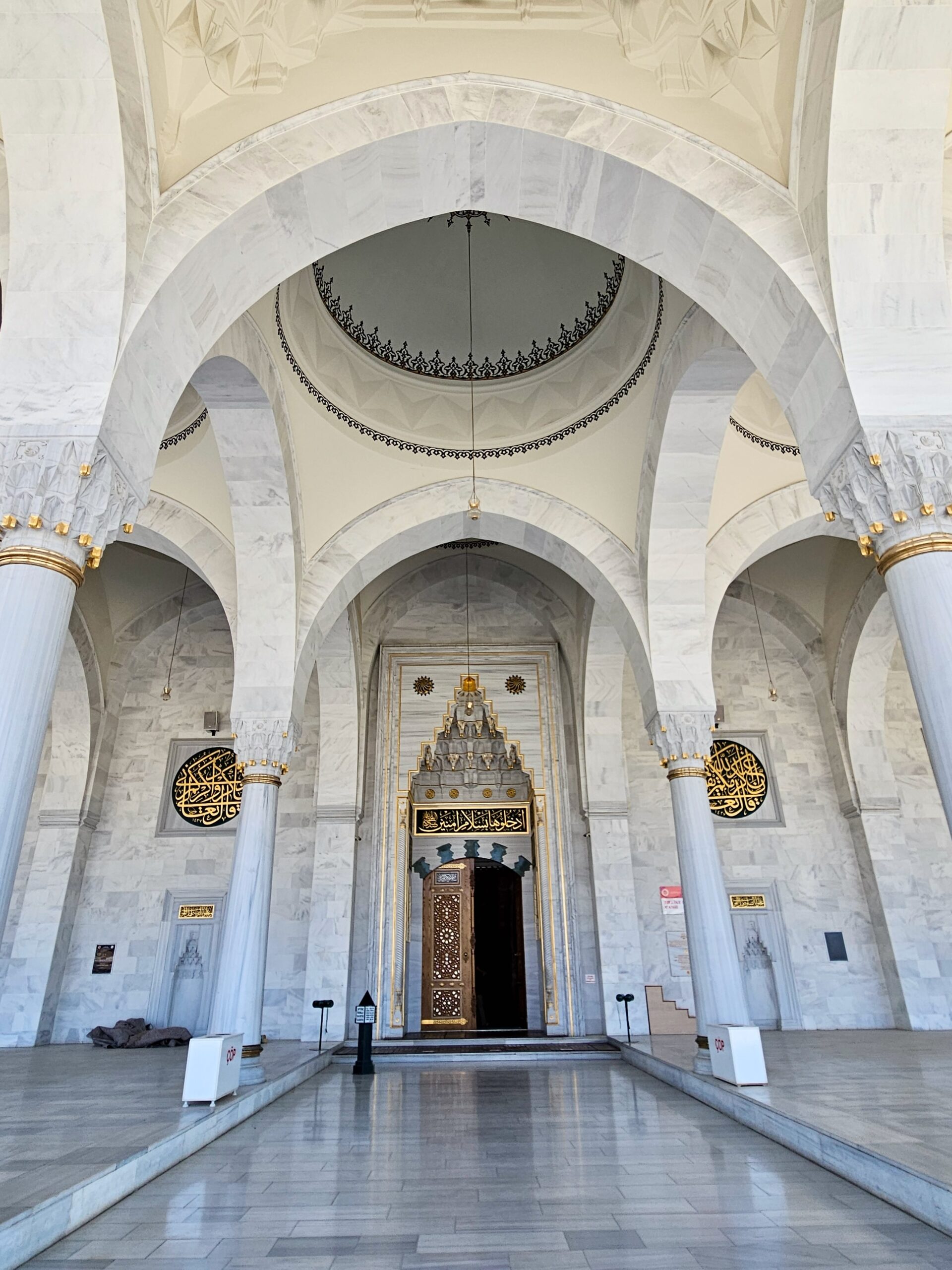
Melike Hatun Camii is relatively new — construction began in 2013, and it officially opened in 2017. Designed by Hilmi Şenalp, it follows a distinctly classical “Sinan-style” look: four minarets (around 72 m tall), a large central dome (about 27 m in diameter and 47 m high), a courtyard, and colonnades — everything you’d expect from a grand Ottoman-inspired mosque, just freshly built and spotless. The interior can accommodate up to 7,000 worshippers.
The mosque takes its name from Melike Hatun, a 14th-century benefactor believed to have funded the construction of several buildings in Ankara. Historians don’t fully agree on the details of her life, but the name serves as a symbolic nod to the city’s local heritage rather than a randomly chosen historical figure.
We didn’t go inside, but just walking around the mosque was impressive. The area is well-kept and clean, with stairs and an open square that give you plenty of great photo angles. The whole place nicely reflects how Ankara has been tidying up and reshaping its representative spaces in recent years.
PTT Philatelic Museum
🇹🇷 PTT Pul Müzesi / 📌 Pin on Google Maps – click here.
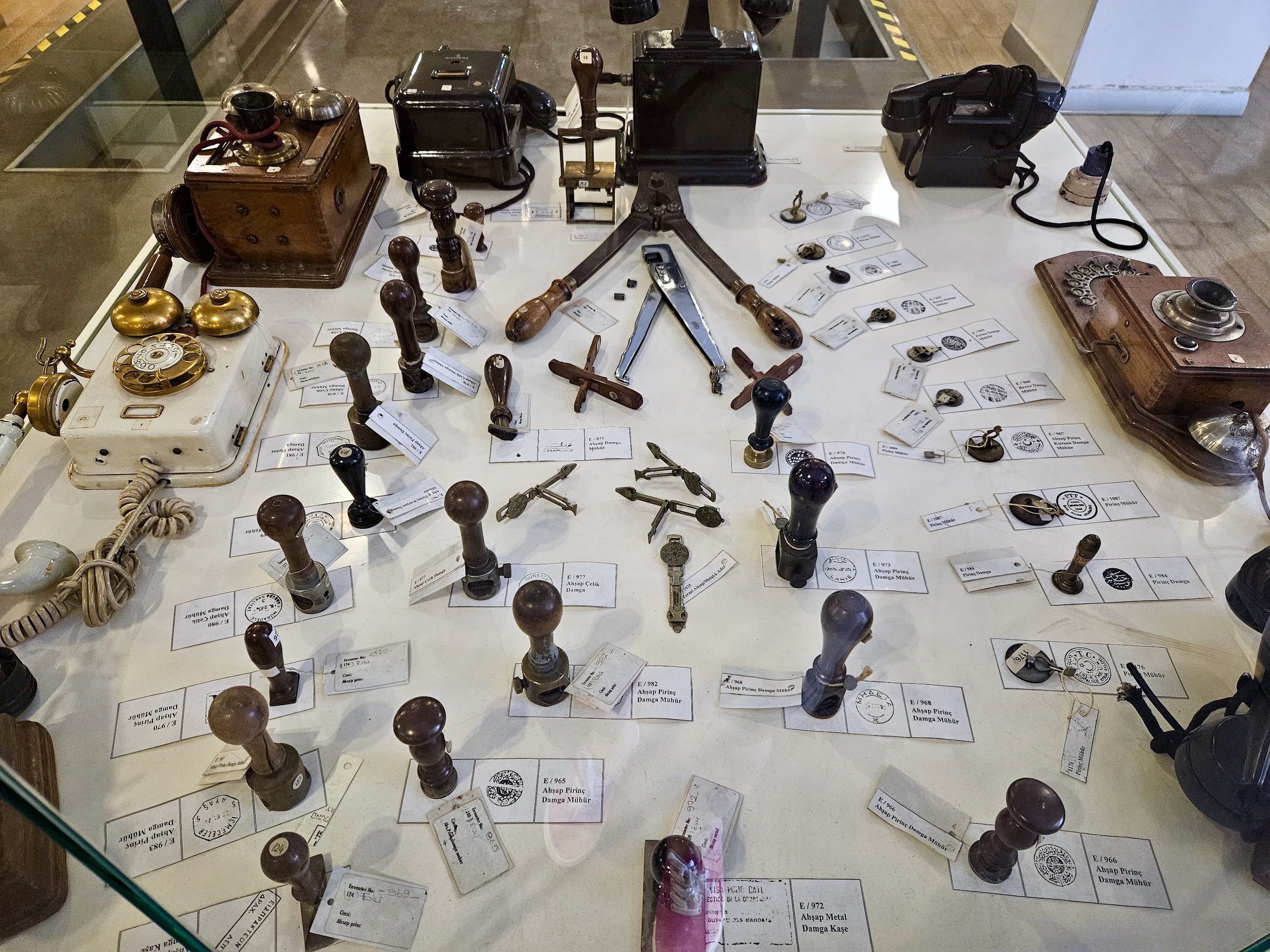
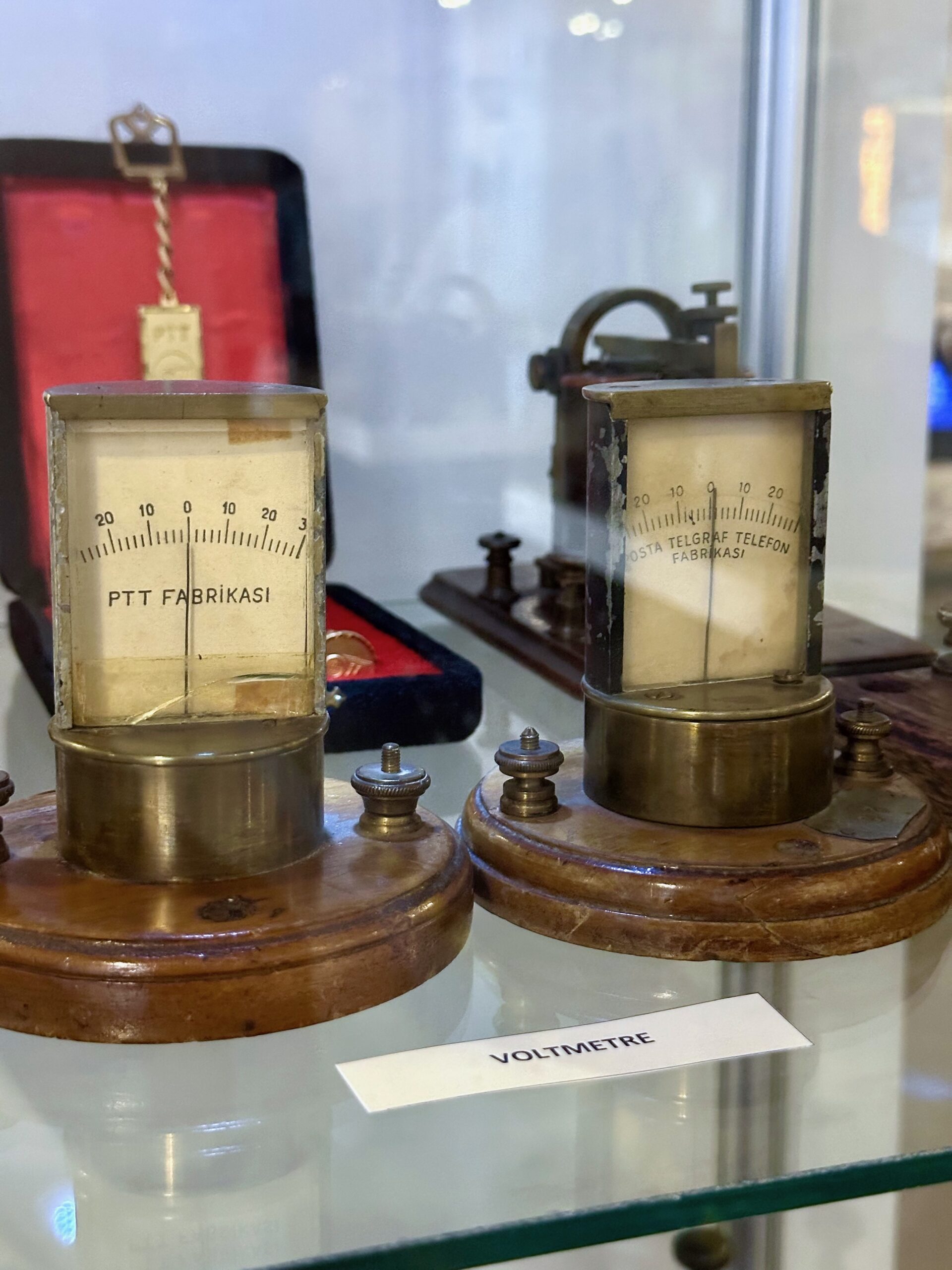
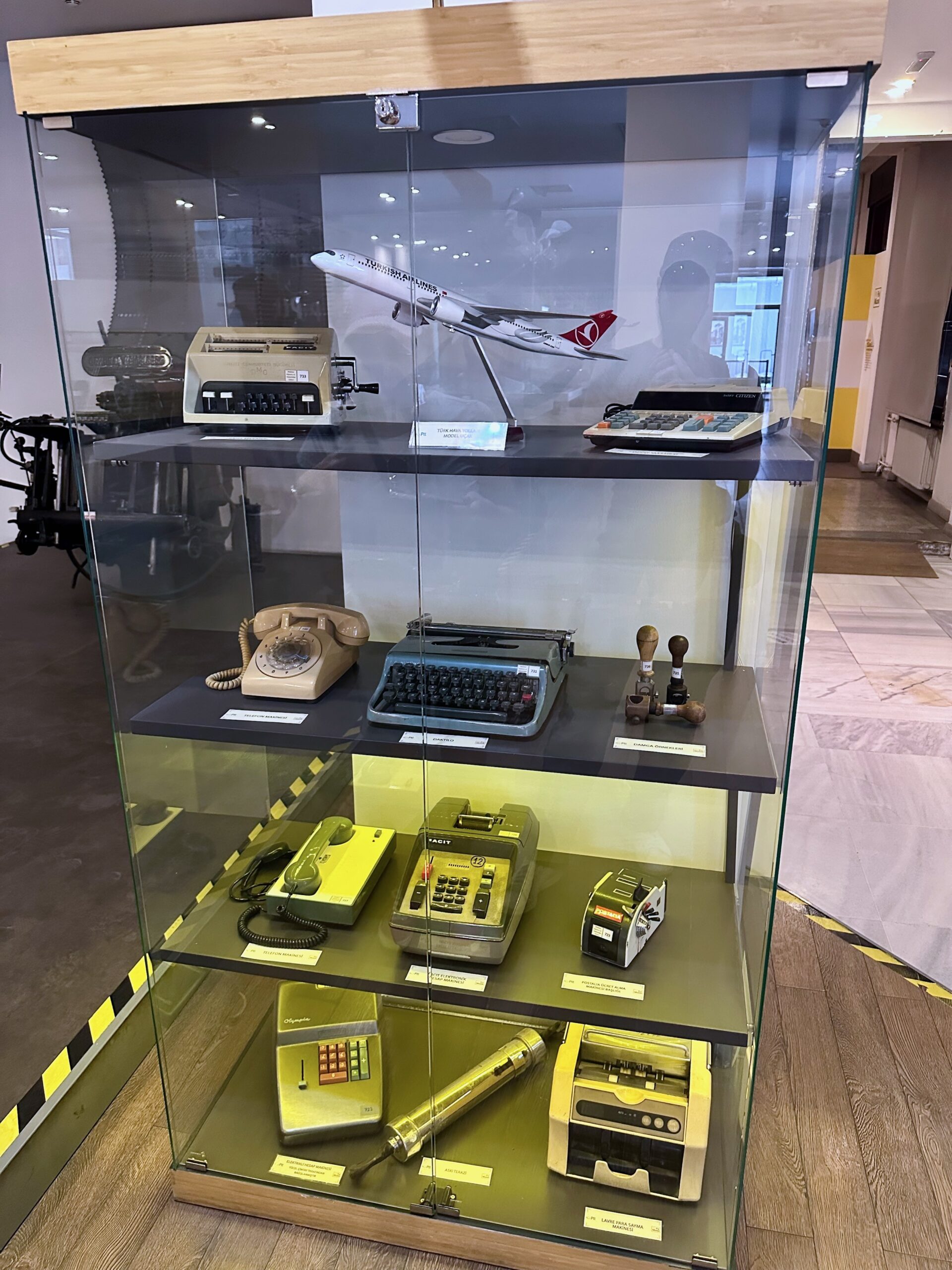
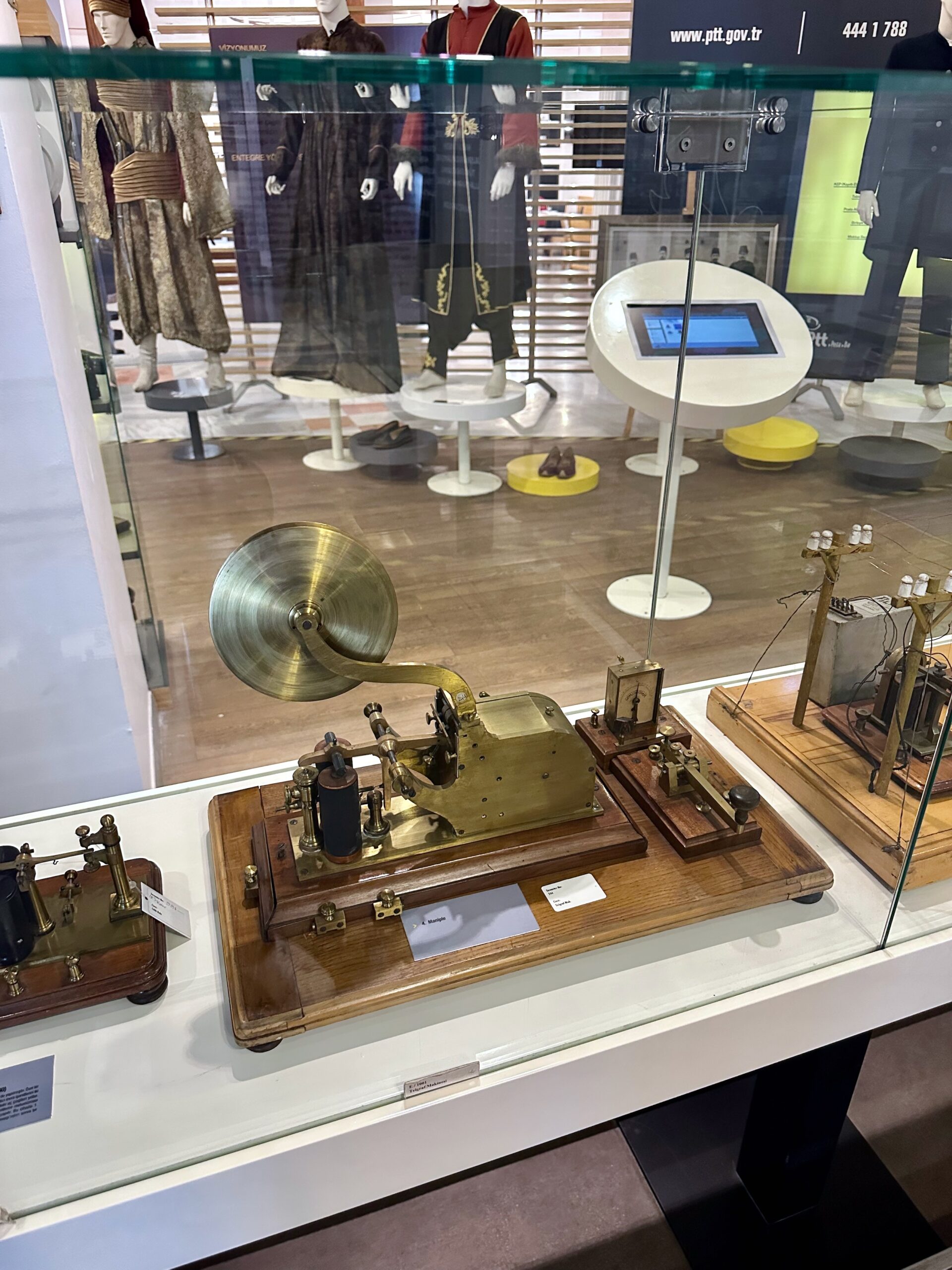
It’s one of those places you walk into “just for five minutes out of curiosity” and end up saying, “hey, that was actually pretty cool”. We stumbled upon PTT Pul Müzesi by accident while passing through Ulus, expecting something along the lines of a dusty “stamp collectors only” exhibition. Instead, we found a surprisingly well-curated little museum inside a historic building — and best of all, it’s free (and as we like to say, free is a fair price 😆).
The museum is located at Atatürk Boulevard 13, inside the former Emlak ve Eytam Bank building, designed in the 1930s by Clemens Holzmeister.
It’s not a museum just for stamp collectors with magnifying glasses. Even if you couldn’t care less about philately, it still works great as a quick look at how the state and communication systems developed in Turkey.
City park
🇹🇷 Gençlik Parkı / 📌 Pin on Google Maps – click here.
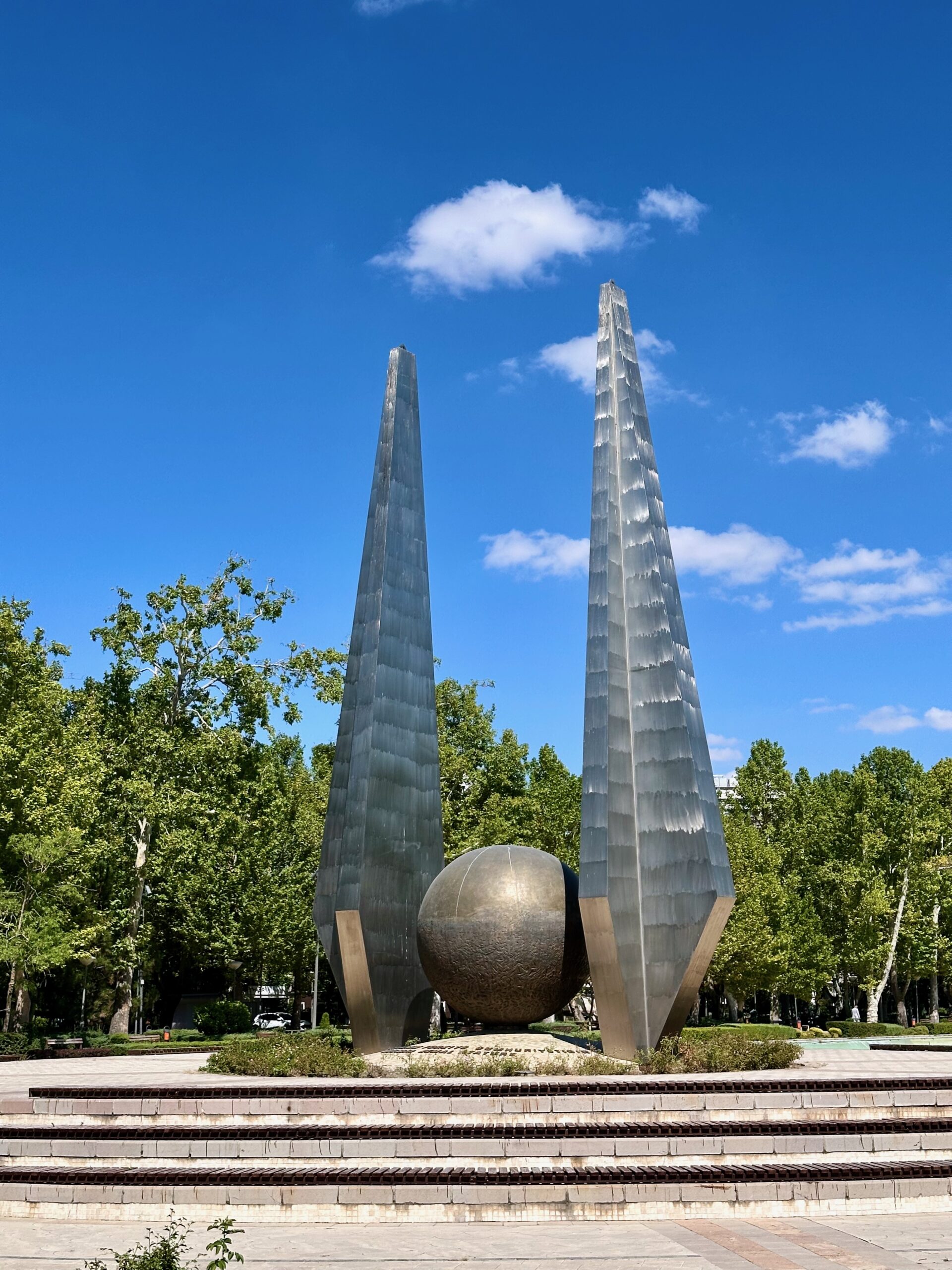
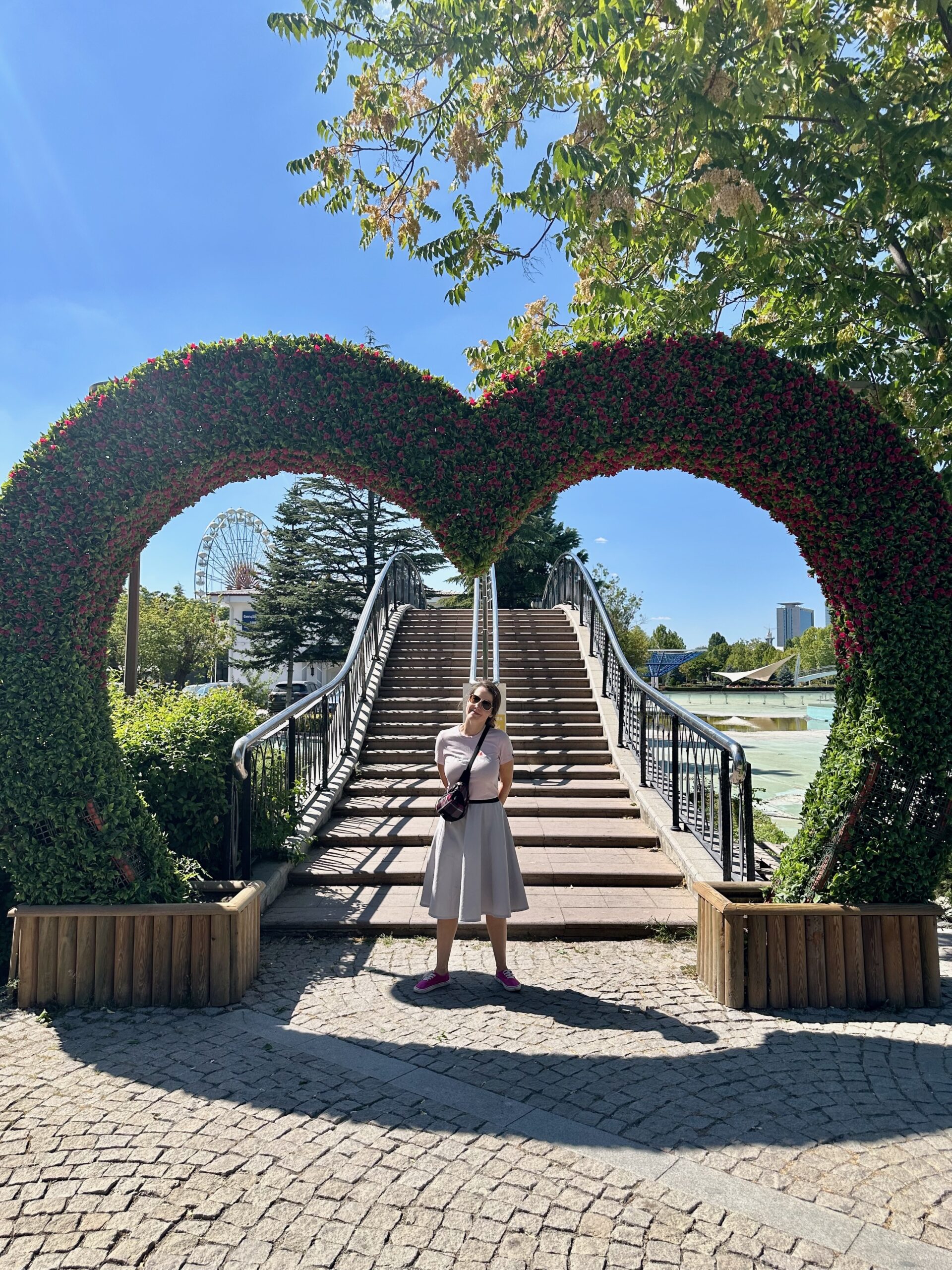
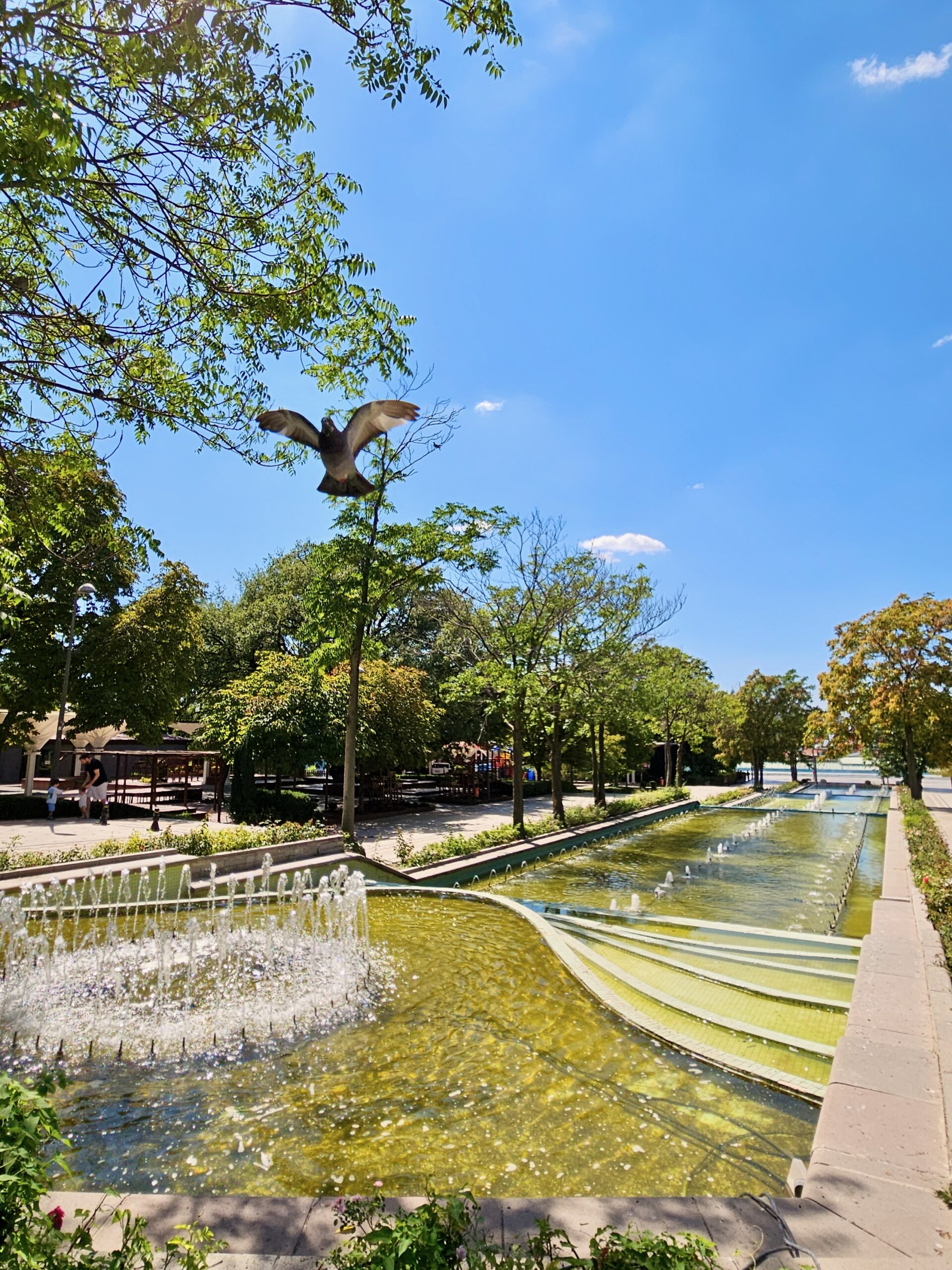
Gençlik Parkı is one of those classic “breathing spaces in the middle of the city” — a large green area between Ulus and the train station, perfect for a short escape from traffic and concrete. Built in the 1940s on what used to be a swamp, it’s held up surprisingly well over the years: about 27–28 hectares of space, an artificial lake, walking paths, plenty of greenery, a few amusement-park corners, and a nice view of central Ankara in the background.
During our visit, we hit a bit of a plot twist — the main fountain and water display looked impressive in theory, but something was under maintenance, so instead of a light show we got the “construction site lite” version. Still, the park itself is a solid spot for a walk, a quick reset, photos with the city skyline, or a short break between other stops in the center. It’s not the most spectacular park in the world, but as an easily accessible pocket of calm right in the middle of the capital — definitely worth adding to your list.
Ataturk Monument
🇹🇷 Ulus Atatürk Statue / 📌 Pin on Google Maps – click here.
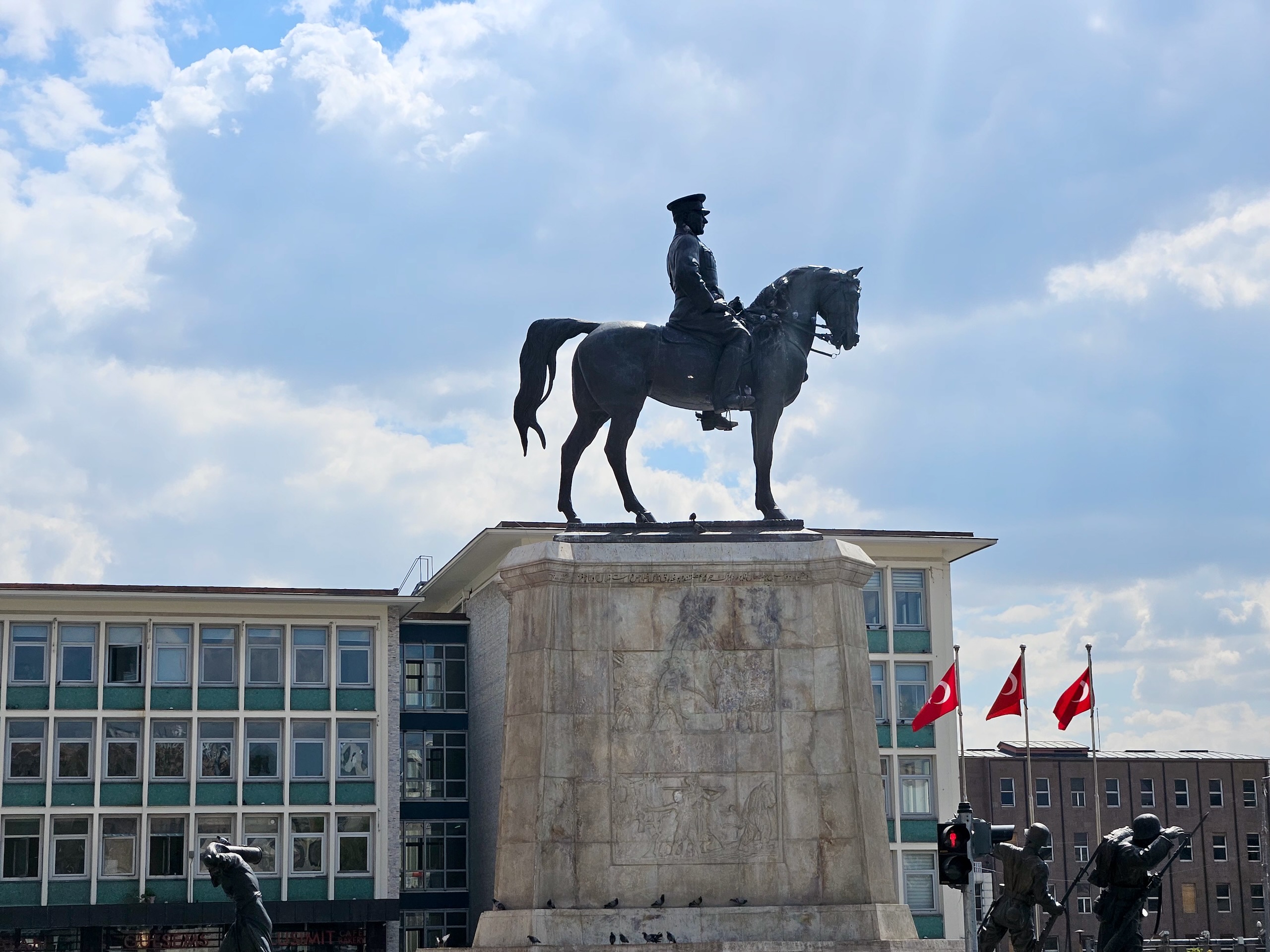
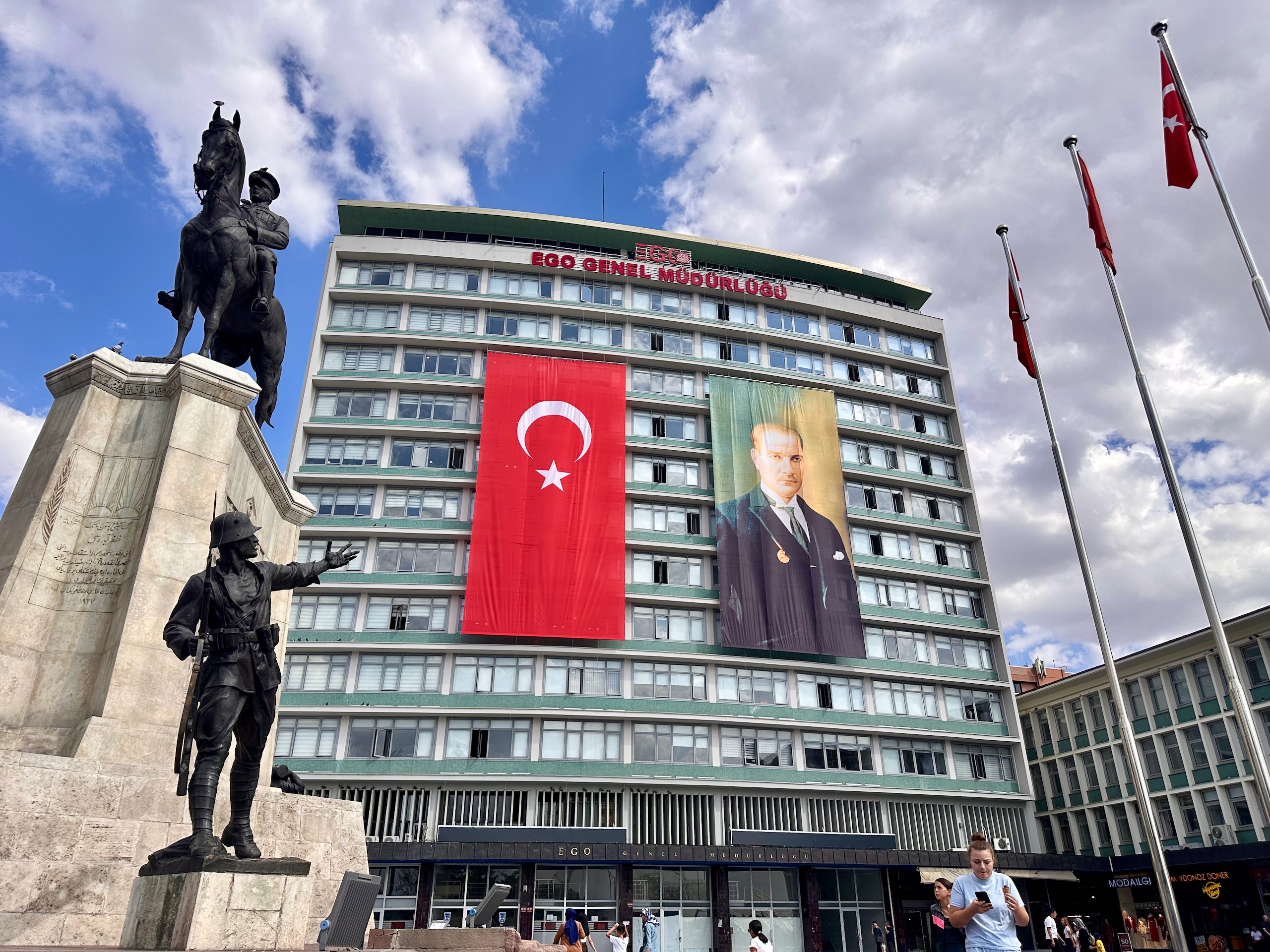
It’s a monument that’s pretty much impossible to miss while exploring the city. Ulus Atatürk Heykeli stands right in the heart of Ulus Square — once Ankara’s main square before the city’s pulse shifted toward Kızılay. Today, it’s more of a crossroads between history and everyday life: busy streets, people going about their routines, and this massive statue standing proudly in the middle of it all.
The monument isn’t just “some general on a horse”. It’s the Zafer Anıtı (Victory Monument), unveiled in 1927 and designed by Austrian sculptor Heinrich Krippel. At the center, Atatürk sits on horseback, surrounded by three figures: two soldiers and a woman carrying an artillery shell. That last detail is a clear tribute to the role civilians — and especially women — played in Turkey’s War of Independence, not just a decorative touch to complete the scene.
Museum of Economic Independence of the Bank
🇹🇷 Türkiye İş Bankası Museum of Economic Independence / 📌 Pin on Google Maps – click here.
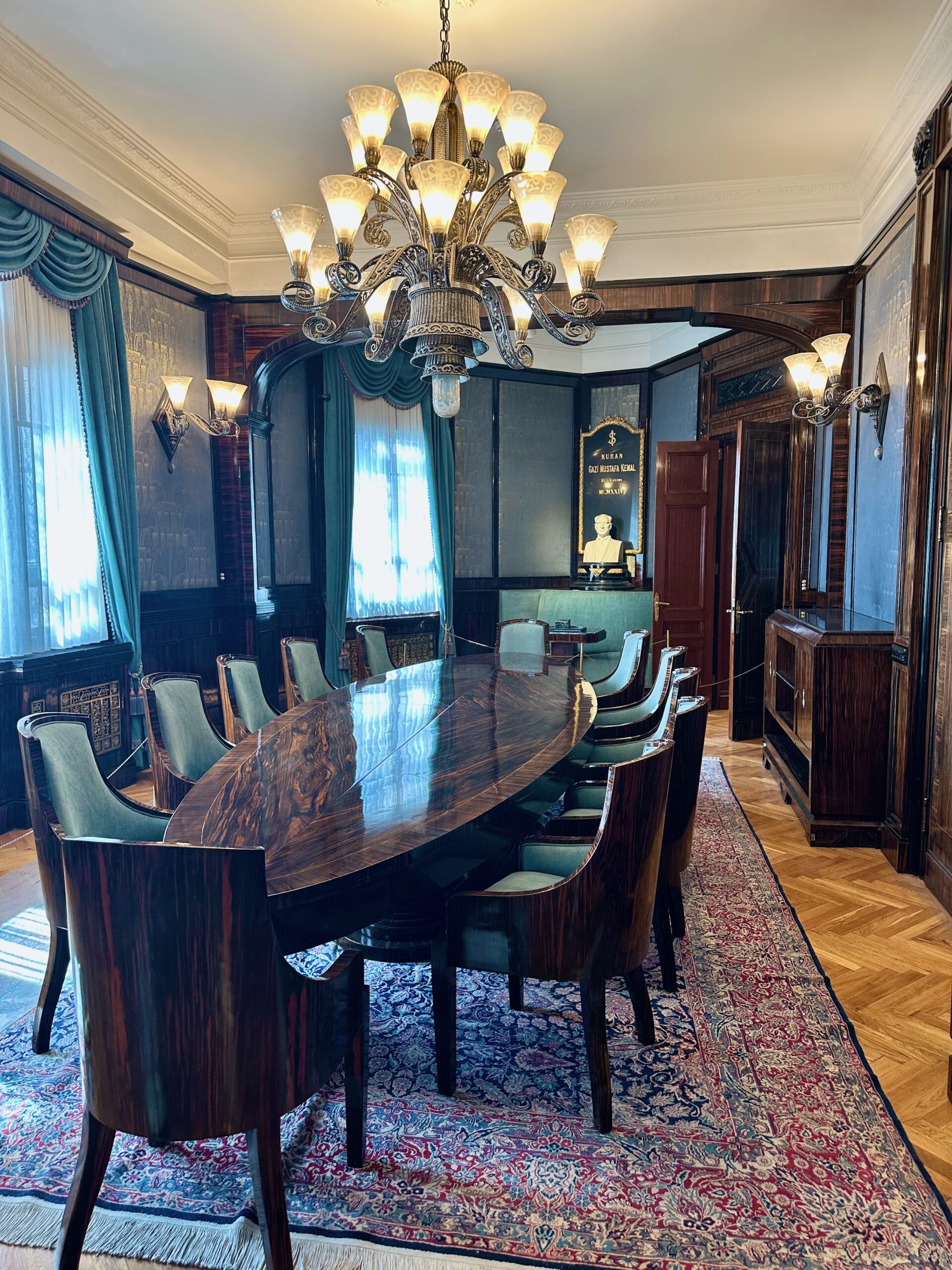
This was our second big “wow, we didn’t expect that” moment in Ankara. From the outside, it looks like a serious, old-school bank headquarters — but once you step inside, it turns out to be a really well-designed museum, and completely free to enter.
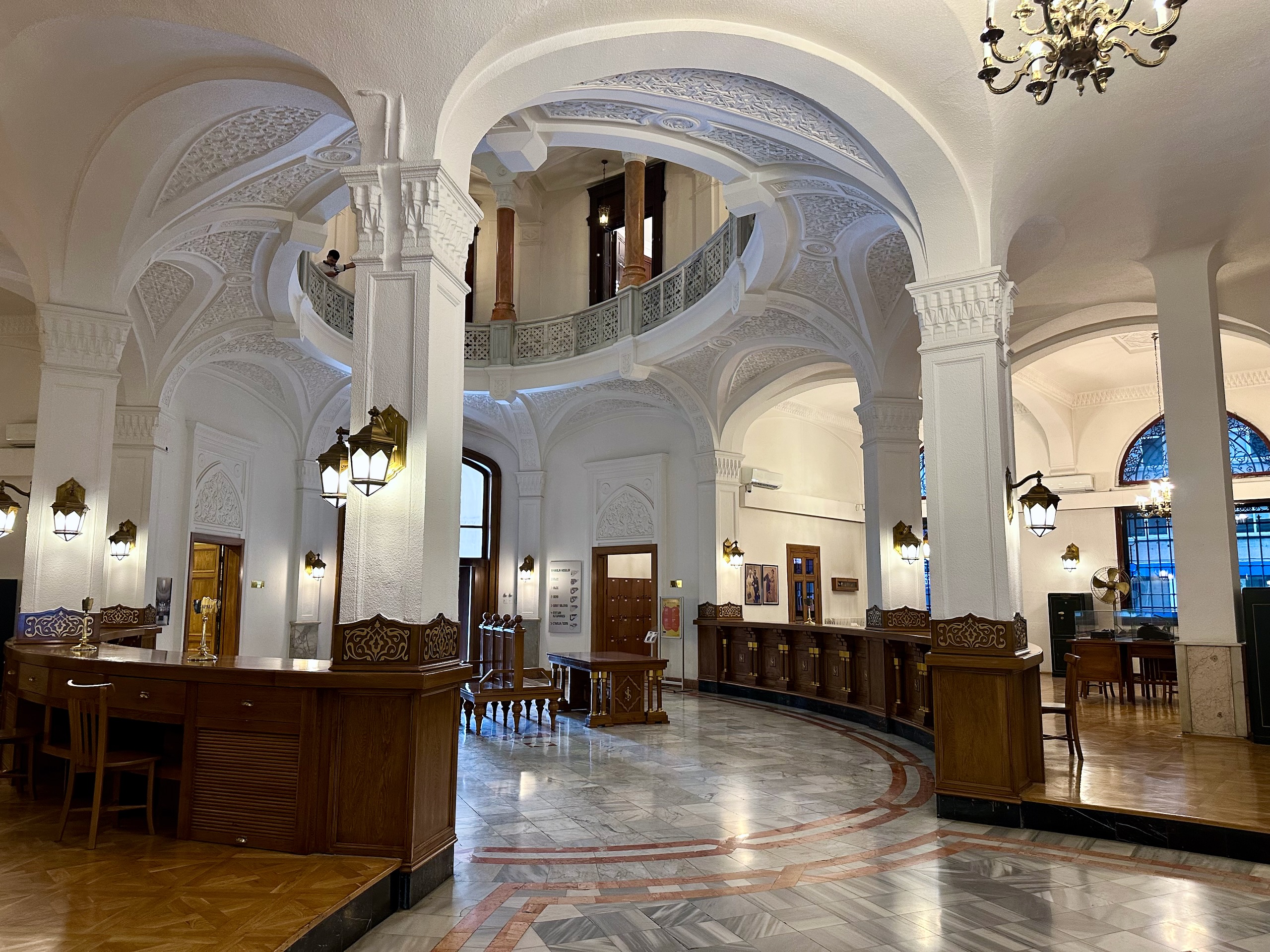
The museum sits right on Ulus Square, across from the Atatürk Monument, in the former Türkiye İş Bankası headquarters built in 1929 and designed by Italian architect Giulio Mongeri. The building itself makes quite an impression — marble floors, intricate details, high ceilings, and that unmistakable “early Republic meets serious banking” atmosphere, not just another random office block.
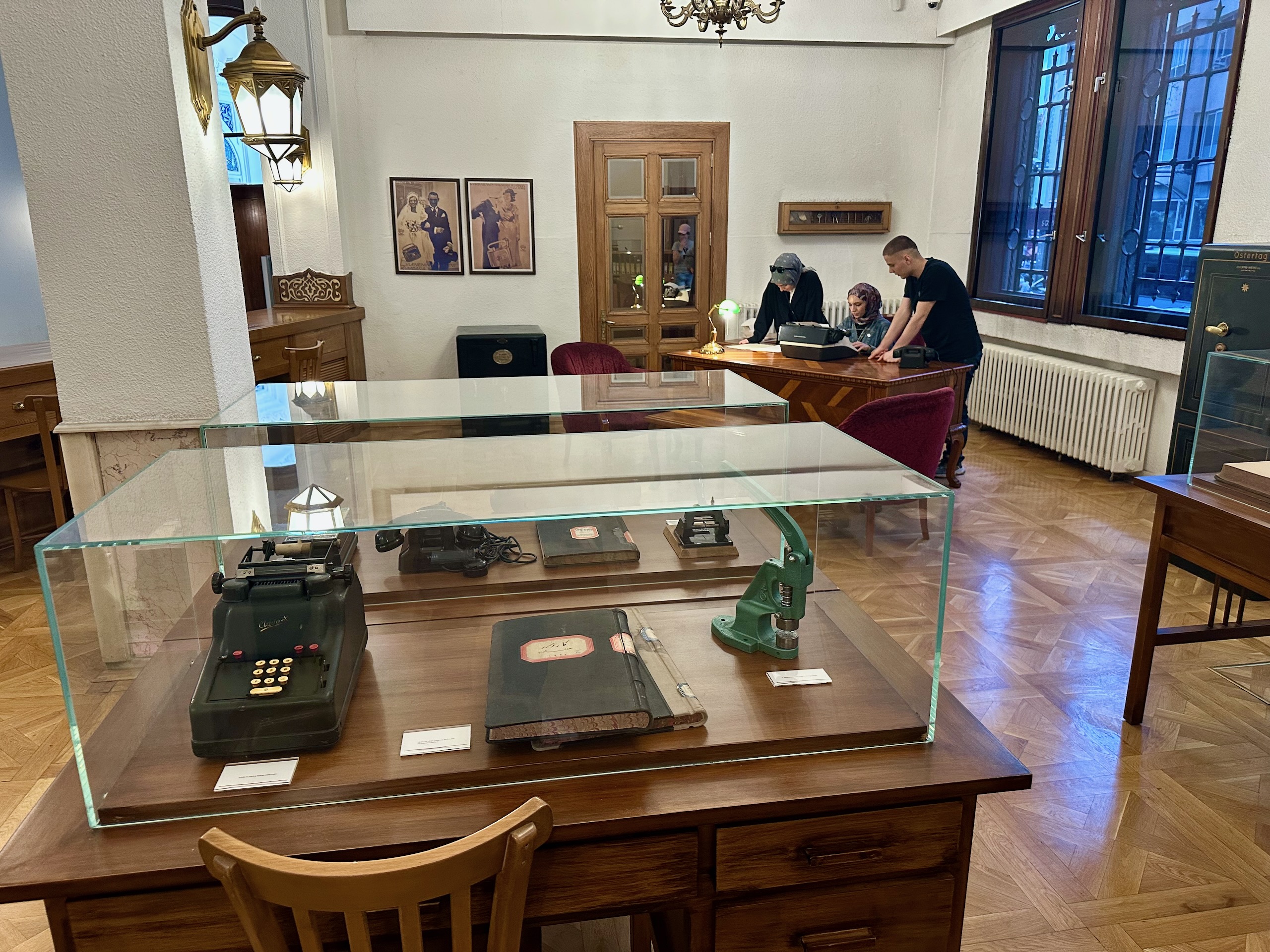
Inside, you get a deep dive into the economic story of modern Turkey — from the founding of the country’s first major national bank to the broader context of “economic independence”. Among the exhibits, you’ll find:
- original cashier stations and offices,
- documents, photos, videos, old advertisements,
- bank equipment from different decades,
- rooms dedicated to the role of the bank in the country’s development,
- temporary exhibitions and a more “artistic” section.
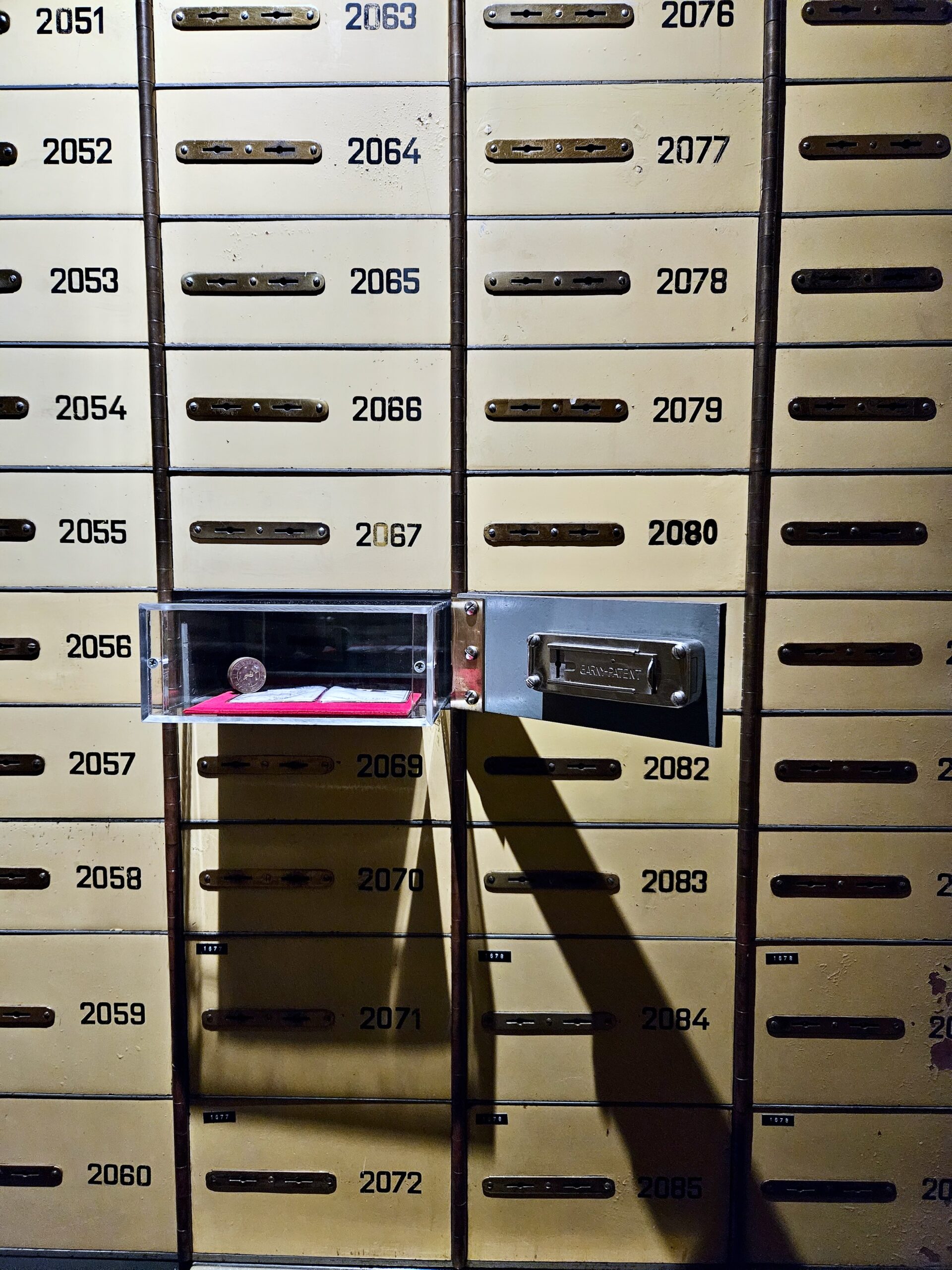
The most interesting part is the lowest level—the former treasuries and deposit vaults, which you can see up close.
There’s one major downside — almost all the descriptions are in Turkish. In our case, a friendly lady at the entrance gave us a quick rundown of what’s where, but if you want to get the most out of the visit, it’s definitely worth having a translation app (or, well… ChatGPT 😄) on hand to help decode the signs and panels in real time. Even without translations, it’s still a beautiful and interesting place to explore visually — you just miss a bit of the deeper context.
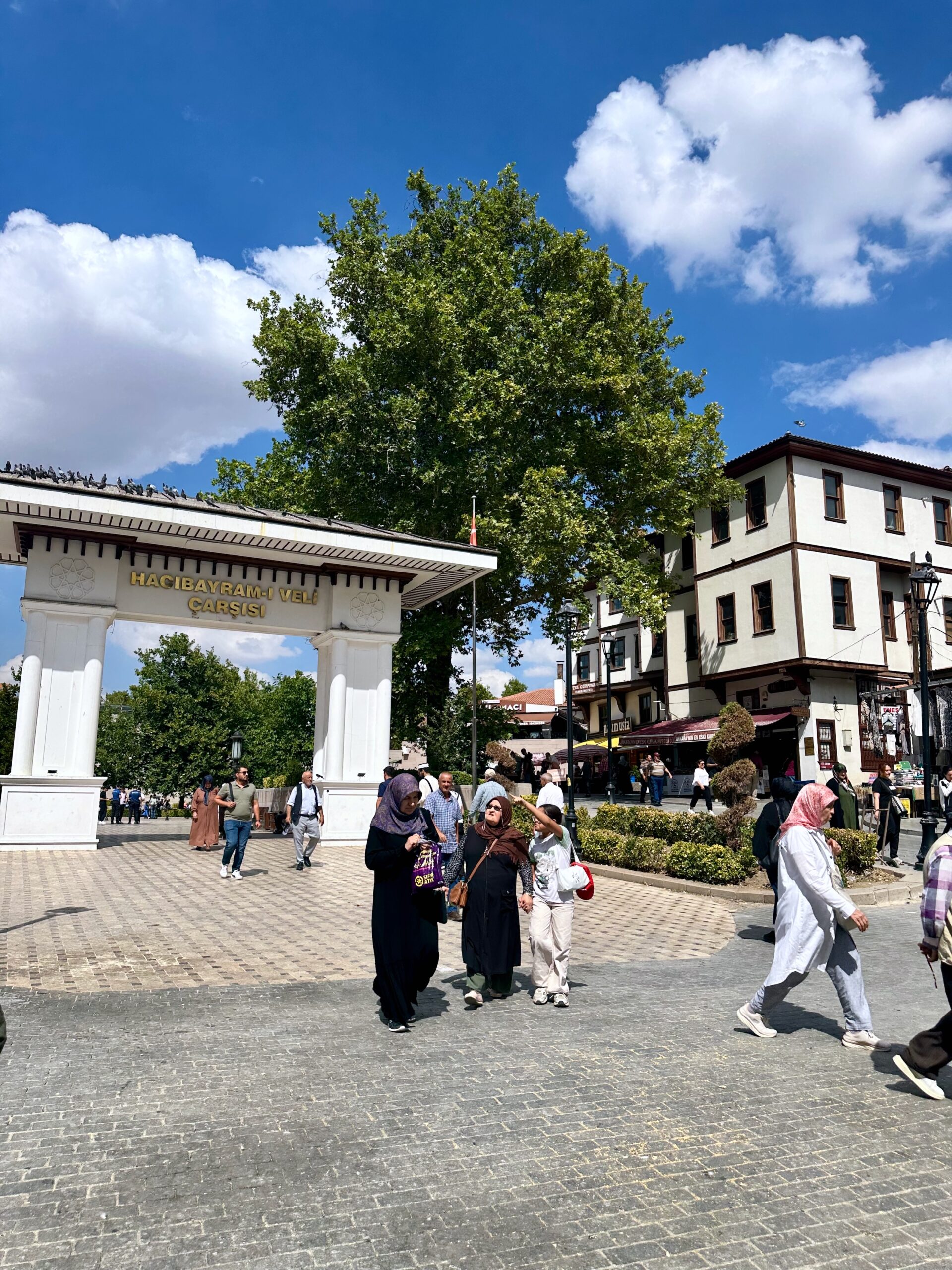
Hacı Bayram Mosque
🇹🇷 Hacı Bayram-ı Velî Mosque / 📌 Pin on Google Maps – click here.
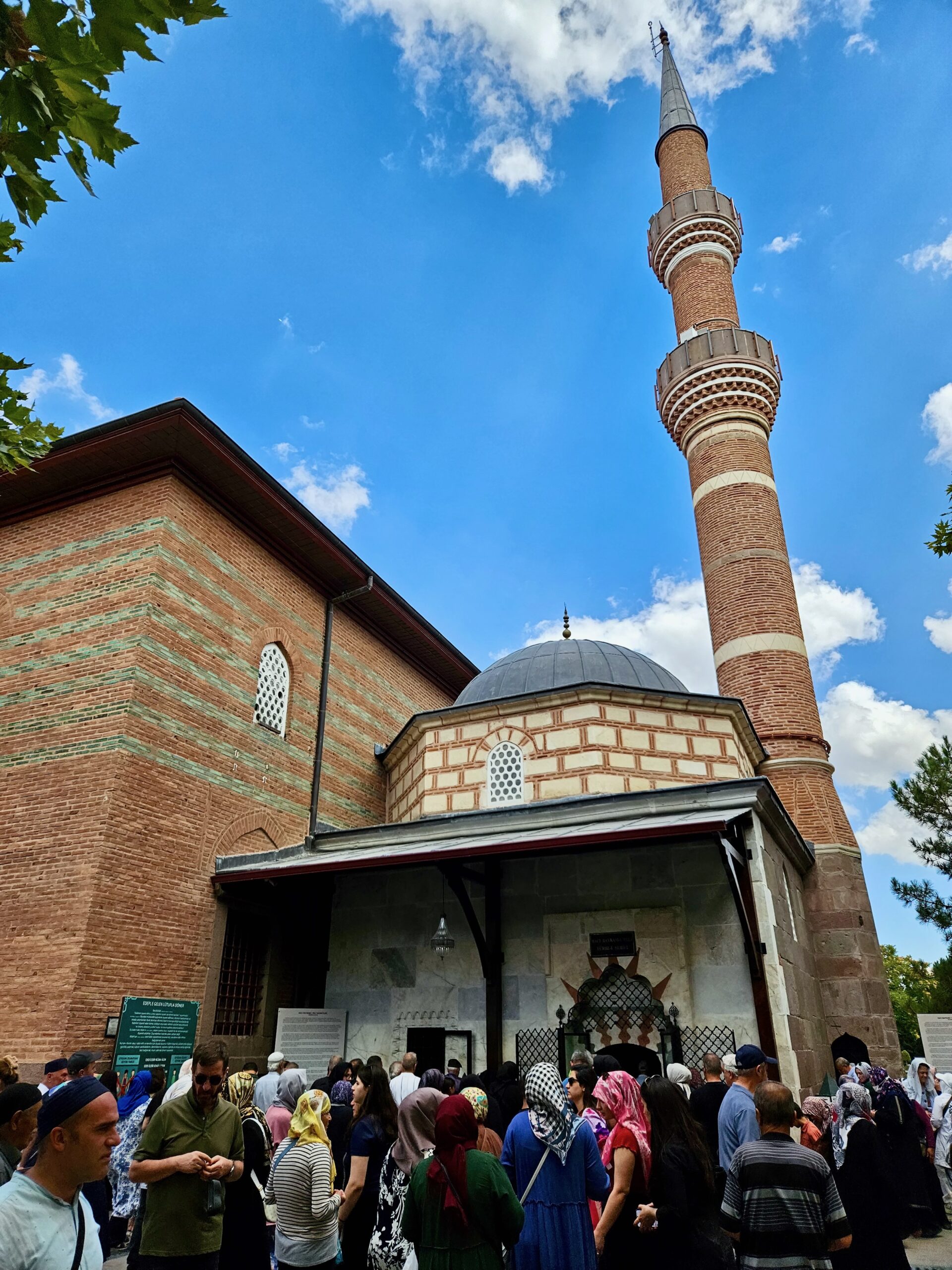
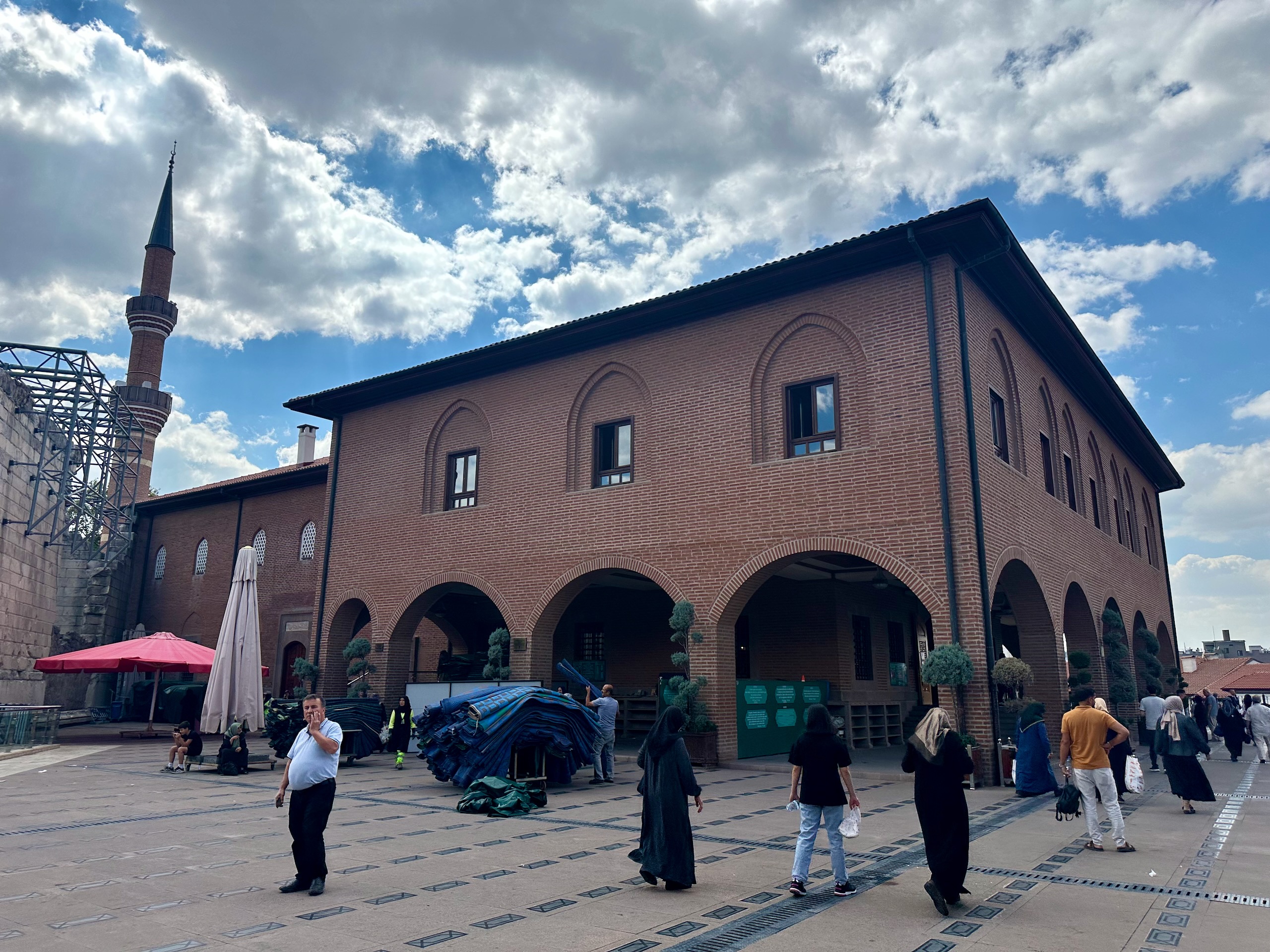
Hacı Bayram Mosque is a calm, well-kept spot on Ankara’s map — more historically important than visually jaw-dropping. It’s located in the Ulus district, on a hill right next to the remains of the Roman Temple of Augustus — literally wall to wall, which is probably the most distinctive thing about the site.
The mosque was originally built in the 15th century (1427–1428) and has been renovated several times since, so what you see today is a blend of later architectural styles — still much more intimate than the grander, newer mosques. Next to it stands the mausoleum of Hacı Bayram-ı Velî, and the whole area — the mosque, the square, and its surroundings — has been carefully restored in recent years. It even made it onto UNESCO’s Tentative List as part of the Hacı Bayram District complex.
Ankara Castle
🇹🇷 Ankara Castle / 📌 Pin on Google Maps – click here.
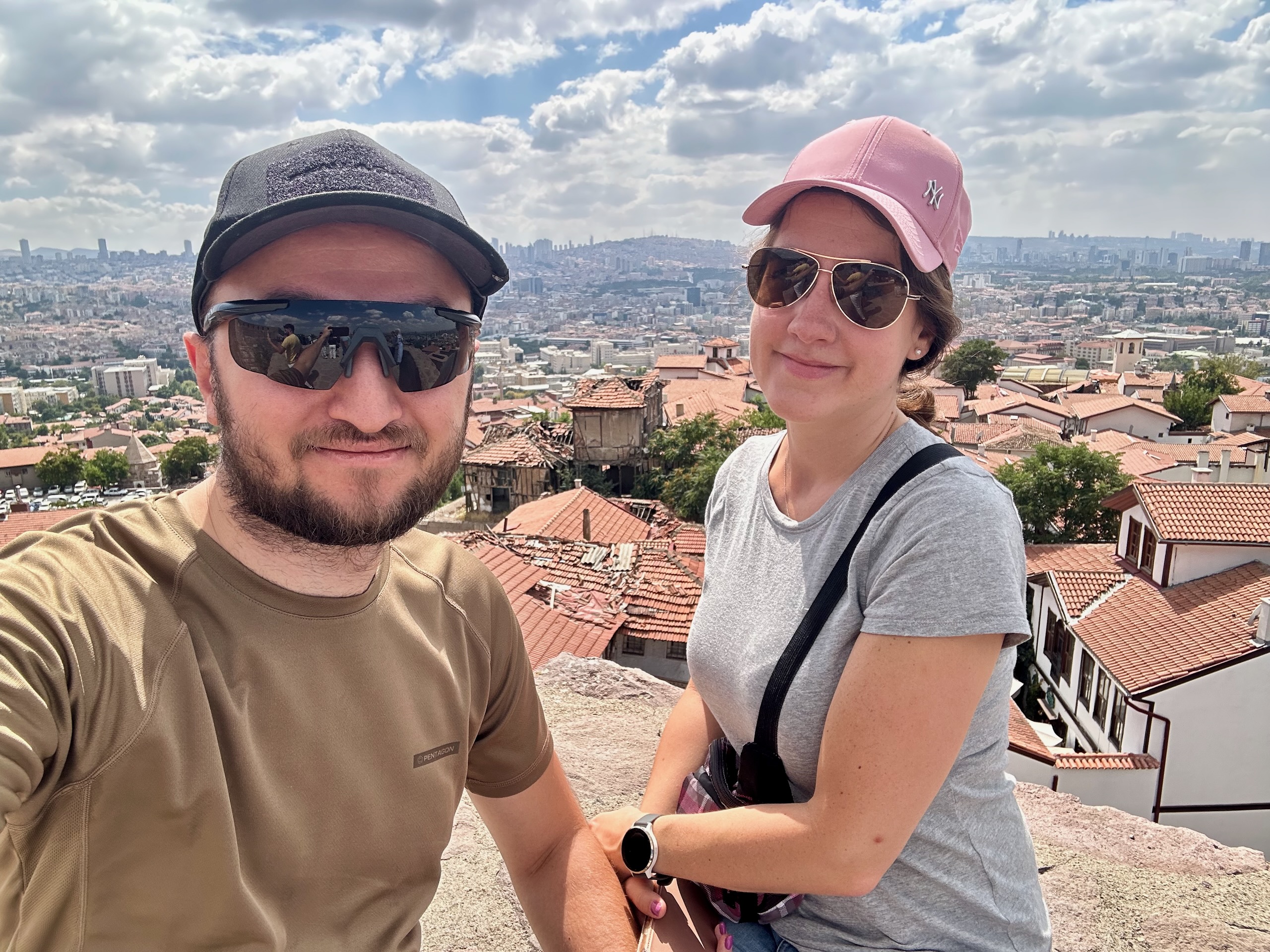
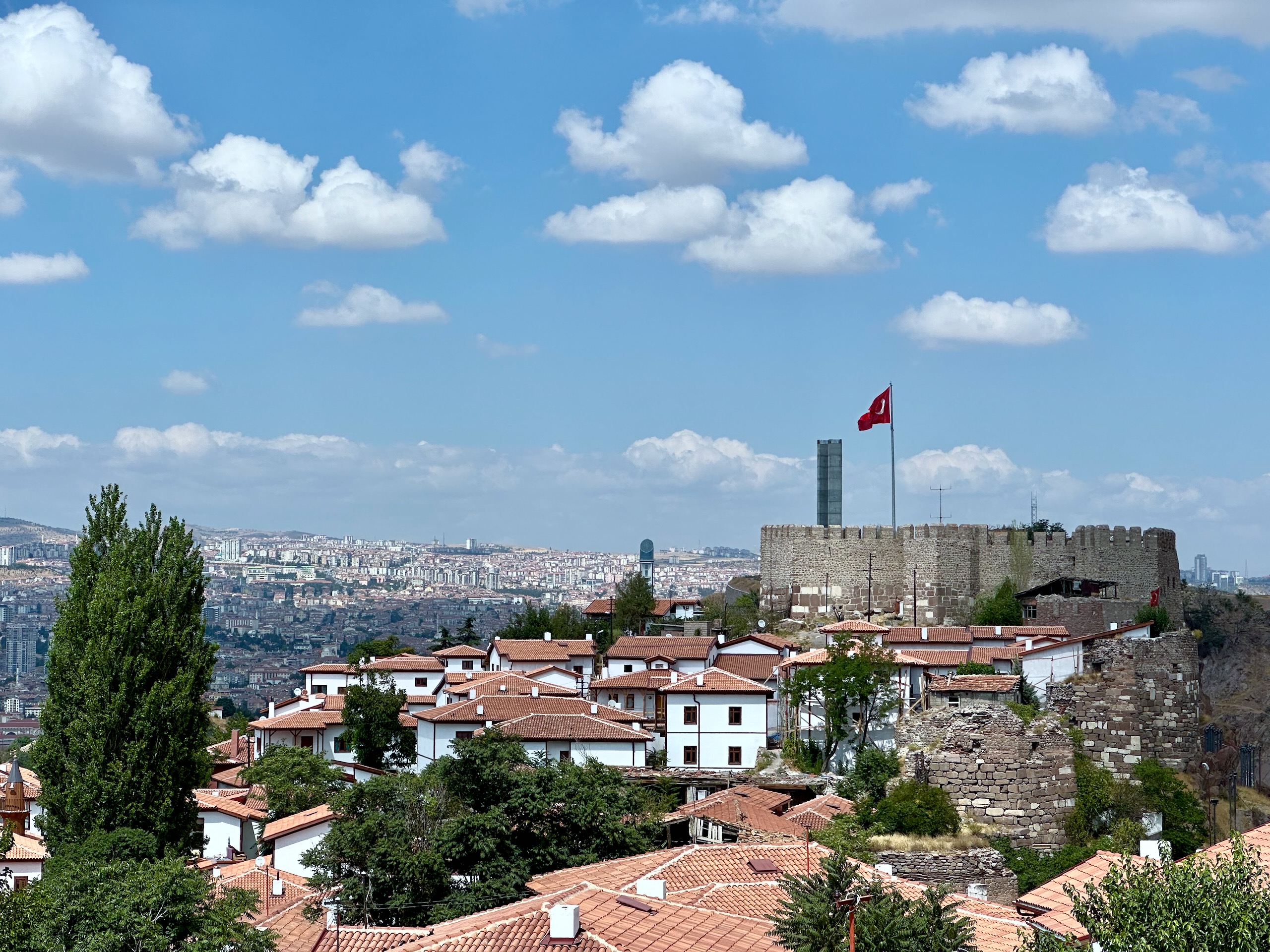
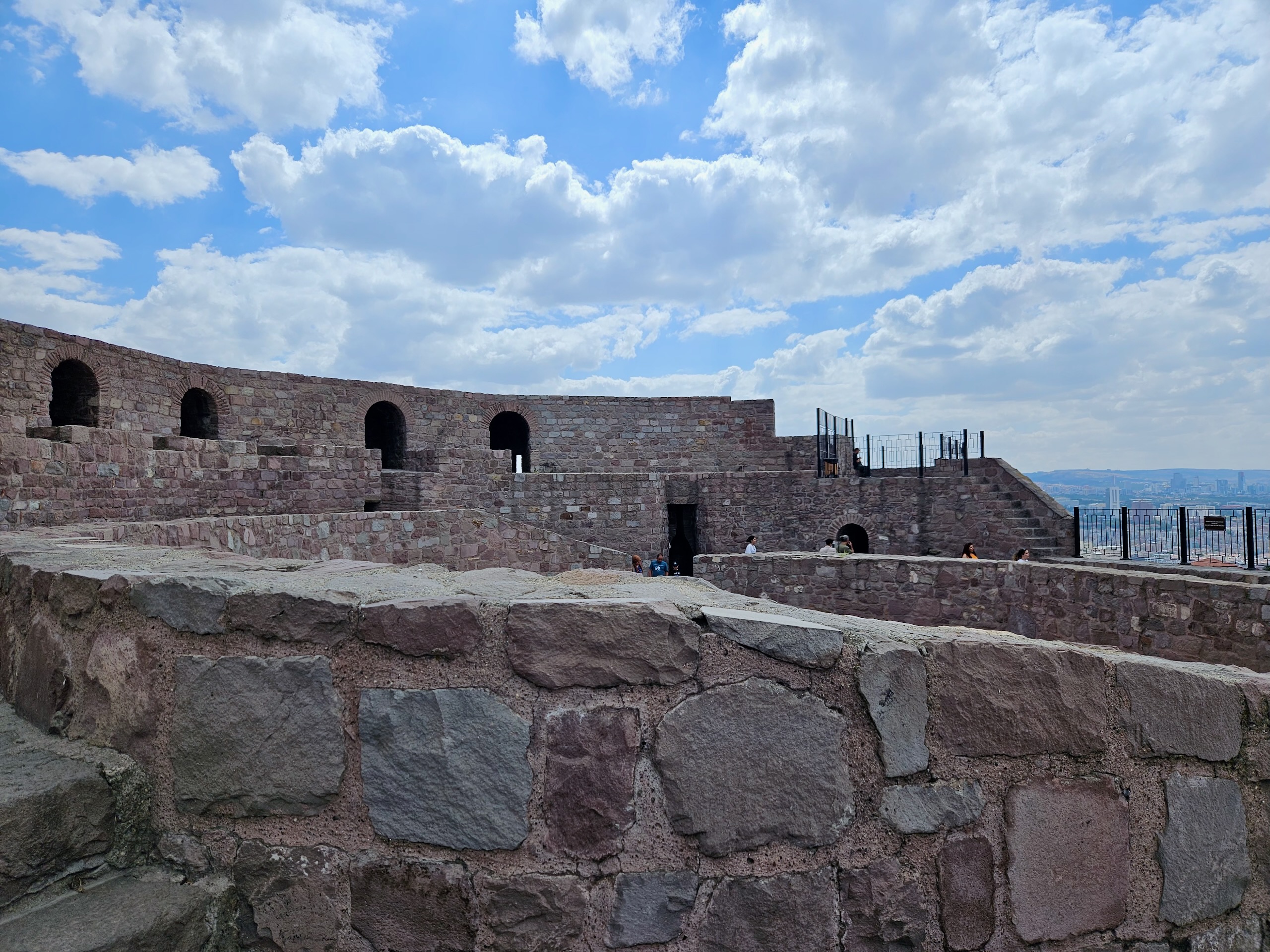
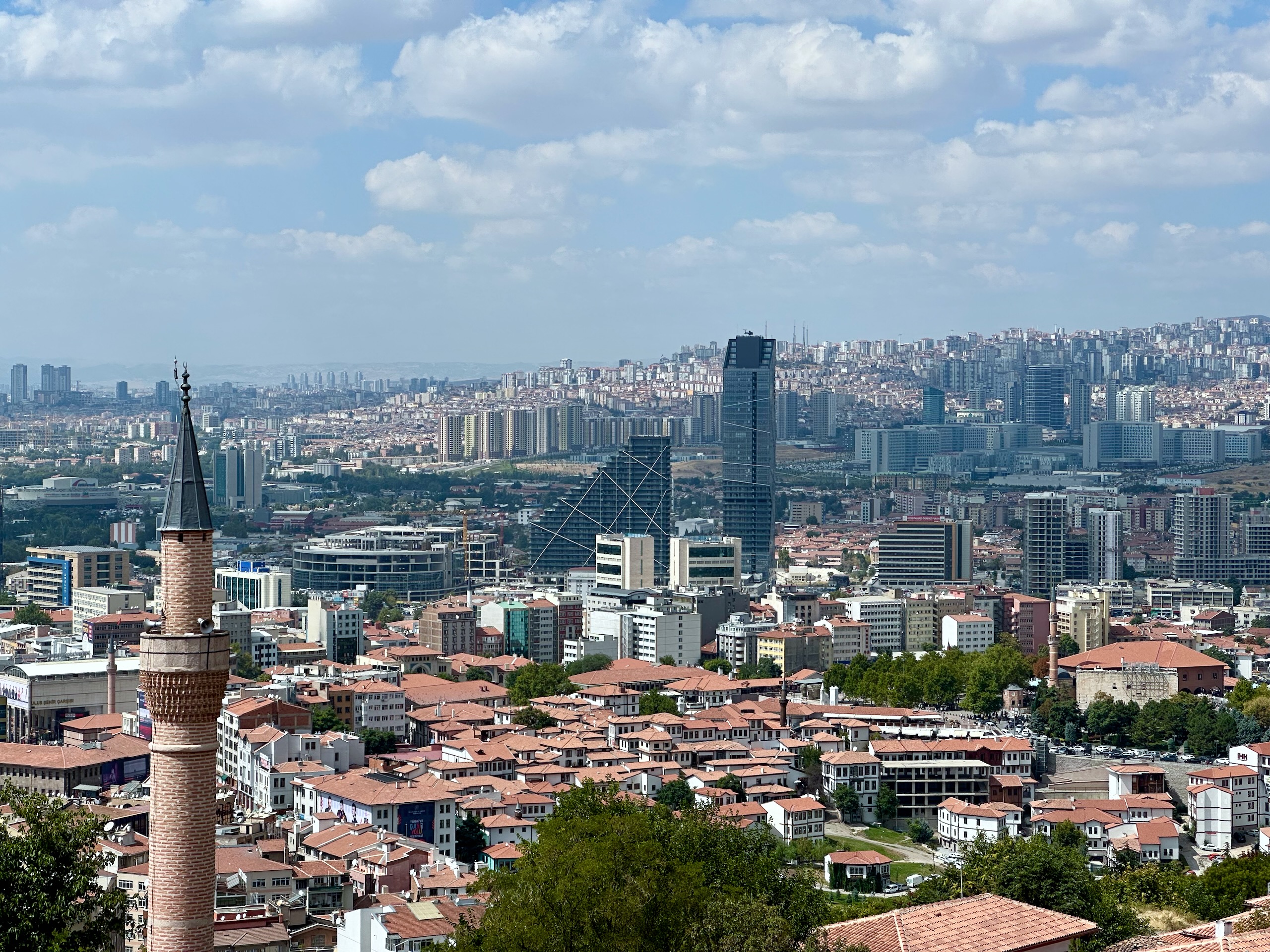
The castle towers over Ankara’s old town and is one of those places where you can really feel how far the city stretches across the horizon. Getting up there takes some effort — a steady climb through the narrow streets of Altındağ — so consider your cardio done for the day. But once you reach the top, the view makes it all worth it: a sea of apartment blocks, mosque domes, a few recognizable city landmarks, and that unmistakable sense of “yep, this really is a big capital”.
The fortress isn’t some freshly polished tourist attraction — it’s history layered on history. The first fortifications here are attributed to the Phrygians (around the 8th century BC), later expanded by the Galatians, and then rebuilt under Roman, Byzantine, Seljuk, and Ottoman rule. The walls you see today mostly date back to the Byzantine and Seljuk periods, built from a fascinating mix of stones and materials reused from different eras.
Inside and around the walls, you’ll find narrow alleys, old-style houses, and a handful of cafés and little shops — some restored, others still a bit rough around the edges. There’s no theme-park vibe here, just a calm mix of everyday life and light tourism.
Museum of Anatolian Civilizations
🇹🇷 Anatolian Civilizations Museum / 📌 Pin on Google Maps – click here.
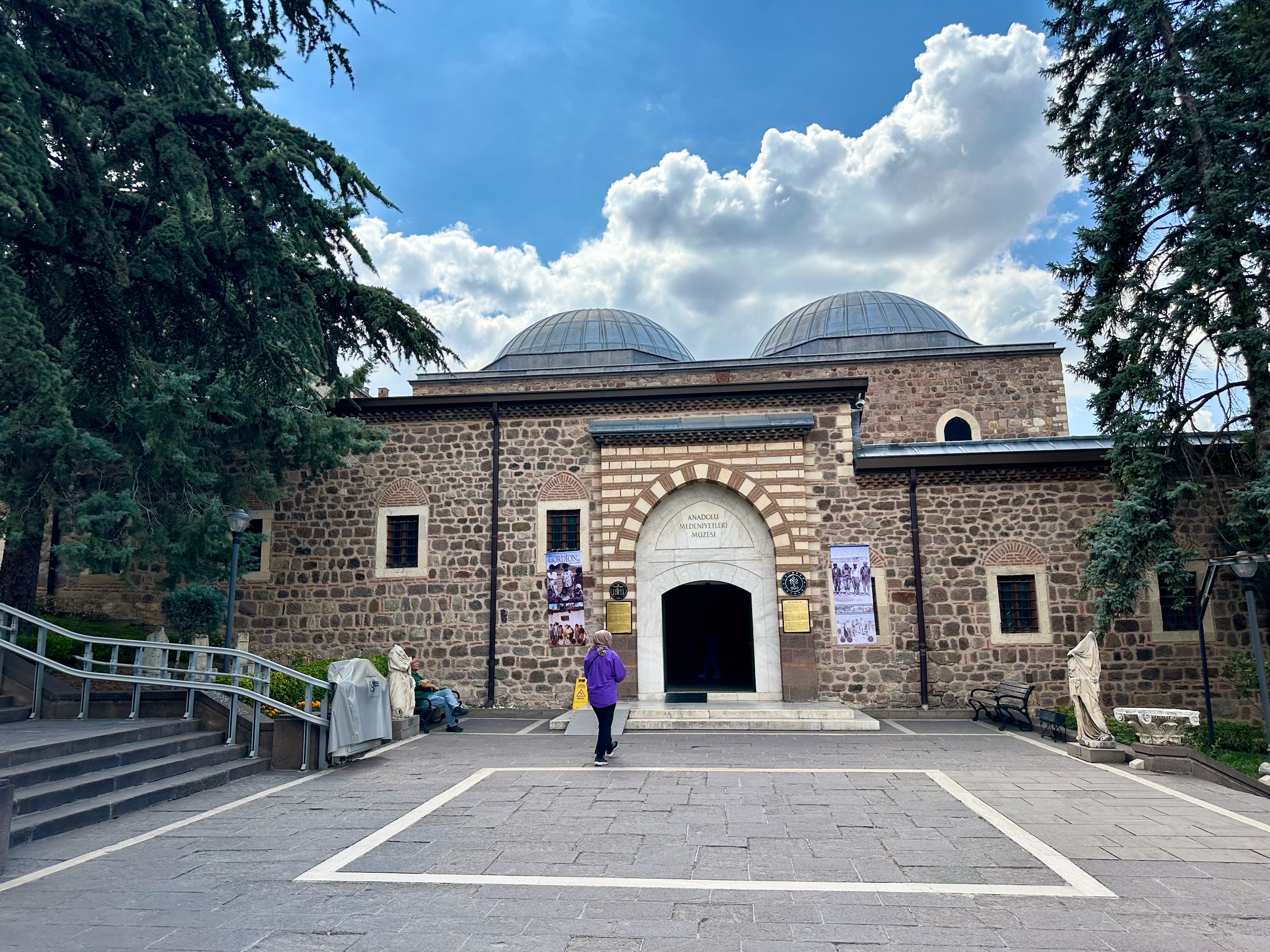
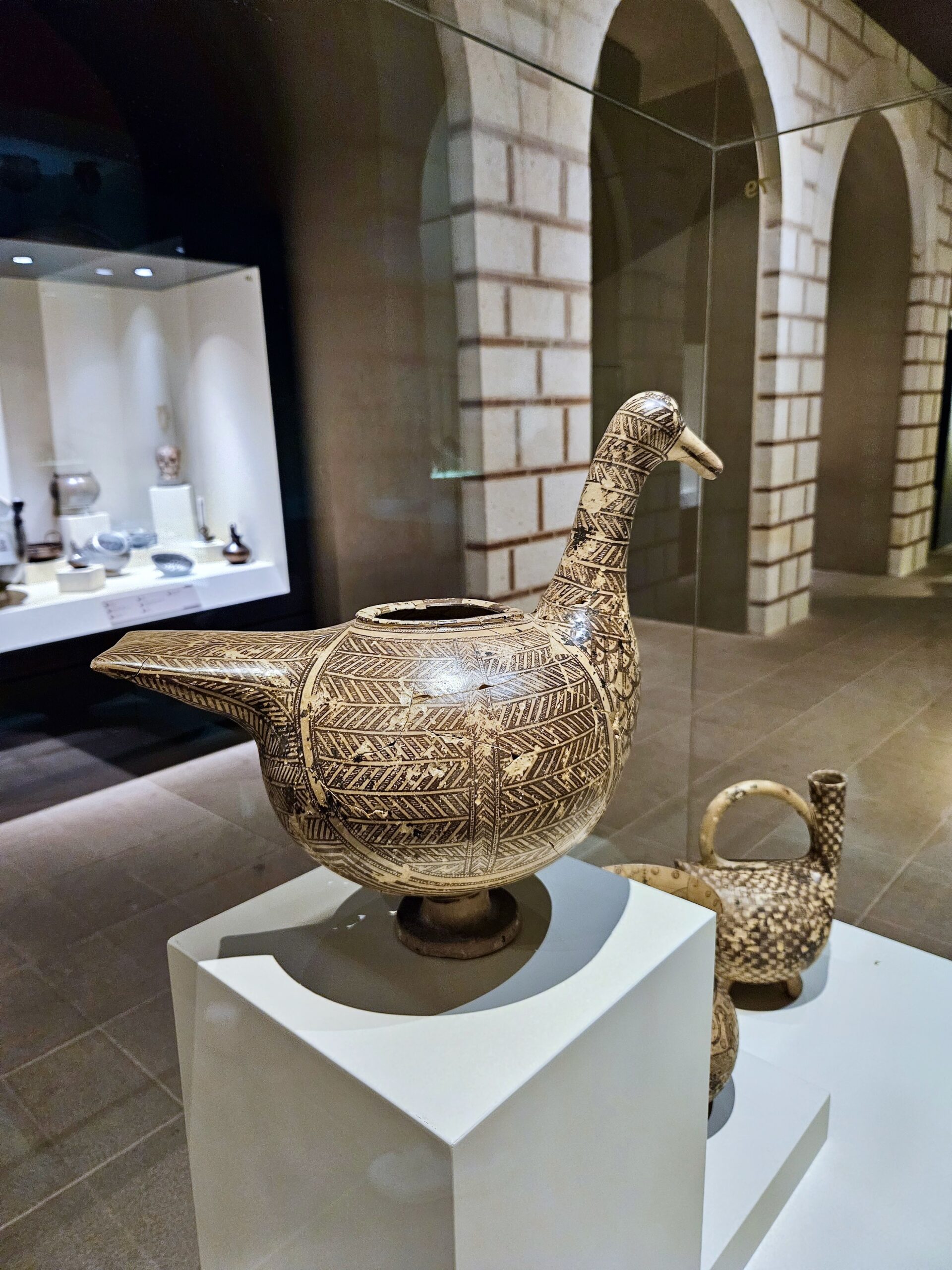
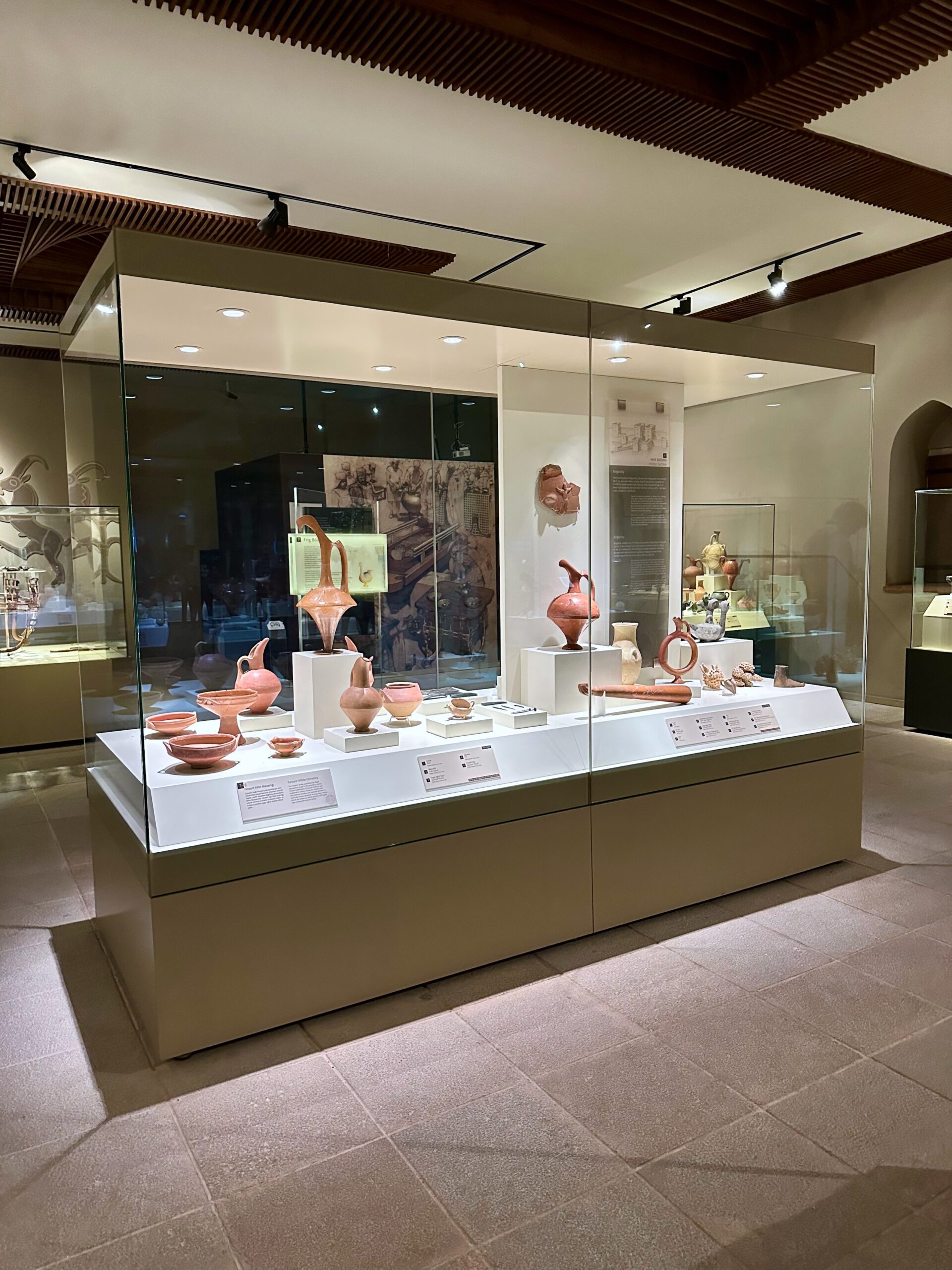
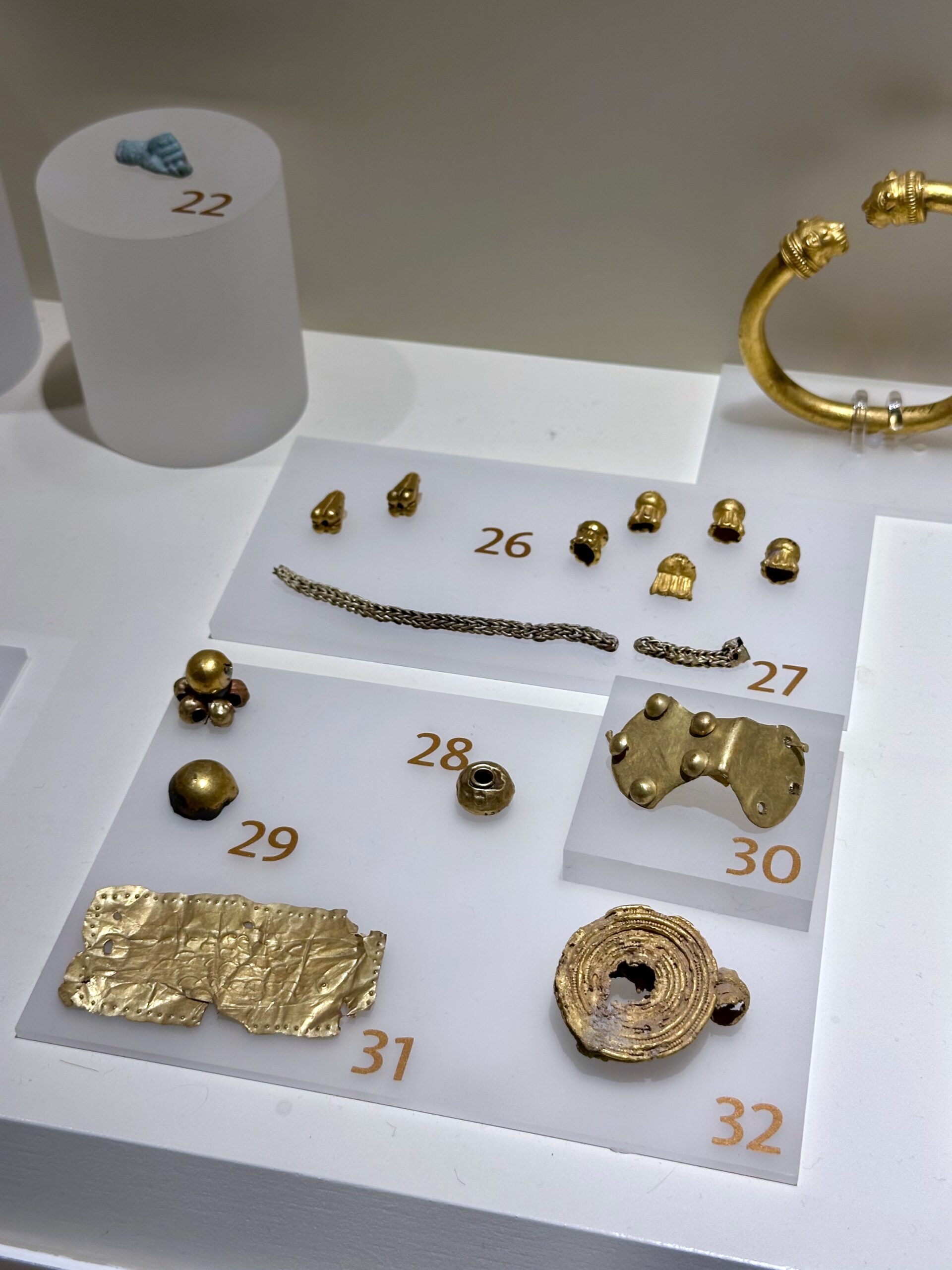
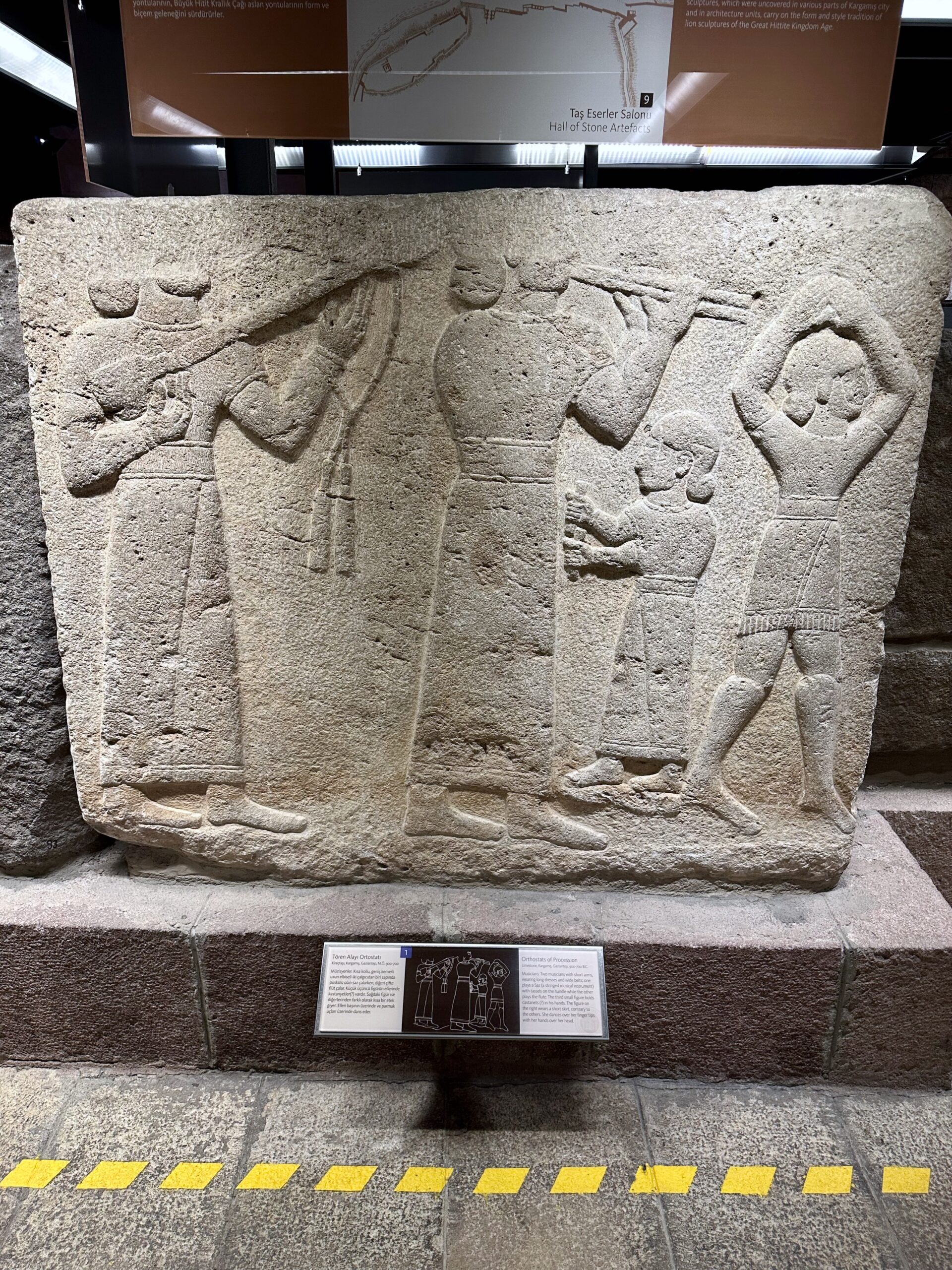
Here’s where Ankara shows its hardcore history. The museum sits just below the castle, housed in two restored Ottoman-era buildings — the Mahmutpaşa Bedesteni (a covered bazaar) and the Kurşunlu Han (a caravanserai). The interiors already set the mood, but the real story unfolds inside the display cases.
The exhibition is arranged chronologically, which actually makes a lot of sense — instead of a random mix of “something old here, something shiny there”, you follow a clear timeline through the history of Anatolia:
- the oldest artifacts from the Stone Age (Paleolithic and Neolithic): tools, figurines, and everyday objects from sites like Çatalhöyük,
- the Chalcolithic and Early Bronze Age periods: the rise of the first cities, the growth of craftsmanship, and richly furnished burial sites,
- the Assyrian trading colonies: clay tablets with cuneiform writing, early “commercial contracts”, and correspondence — a fascinating reminder of how long humans have been arguing about money,
- the Hittites and later Anatolian kingdoms: seals, reliefs, fragments of statues, the famous İnandık Vase, and the iconic sun disks from Alaca Höyük,
- the Phrygians, Urartu, and the Greek–Hellenistic and Roman periods: jewelry, pottery, sculptures, inscriptions, architectural fragments, and coins — a rich collection that ties together the long, layered history of the region.
Admission for visitors from outside Turkey costs roughly 60 PLN per person (based on current ticket prices and exchange rates).
The historic houses of Hamamonu in Ankara
🇹🇷 Hamamönü Historic Ankara Houses / 📌 Pin on Google Maps – click here.
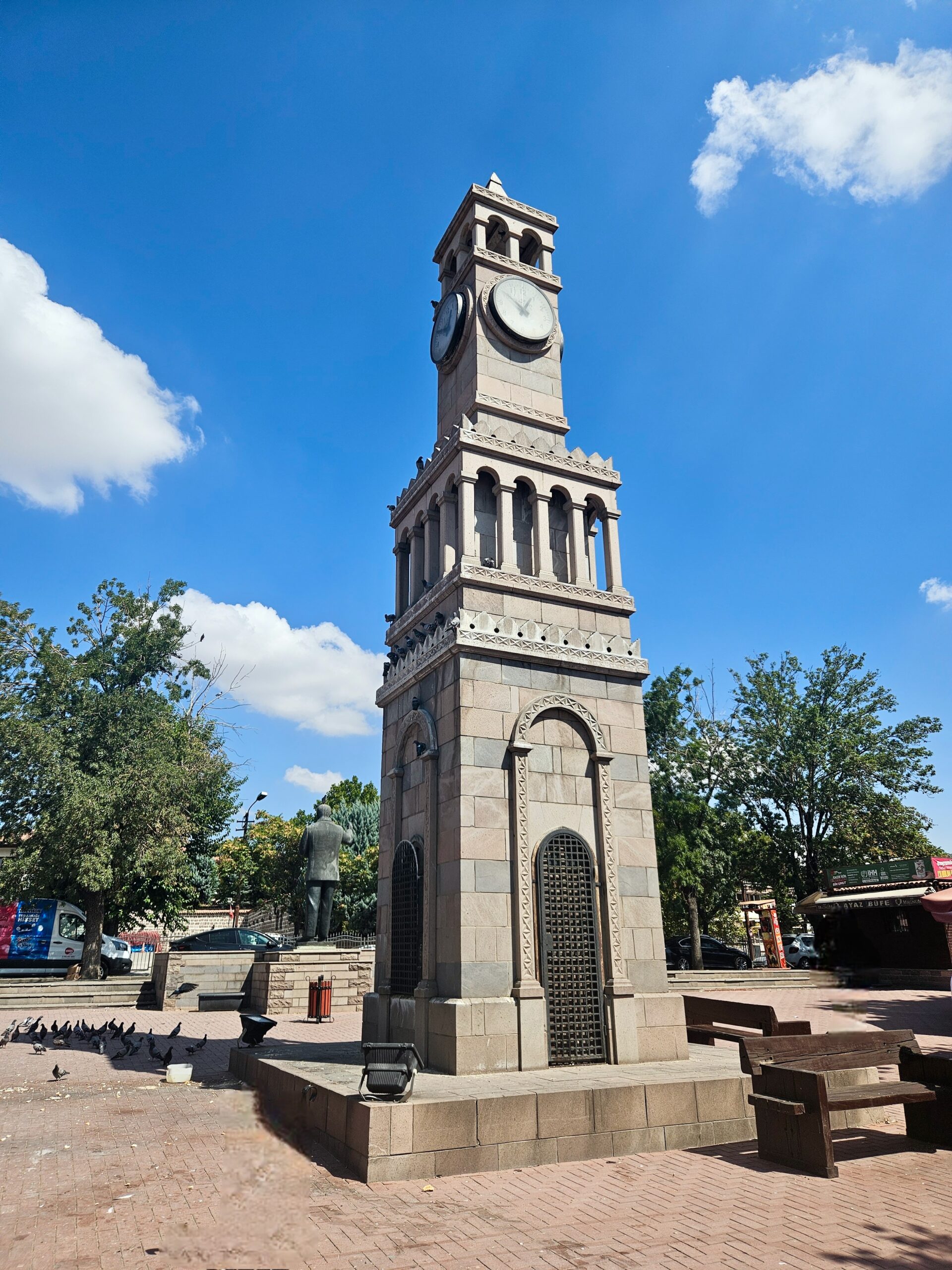
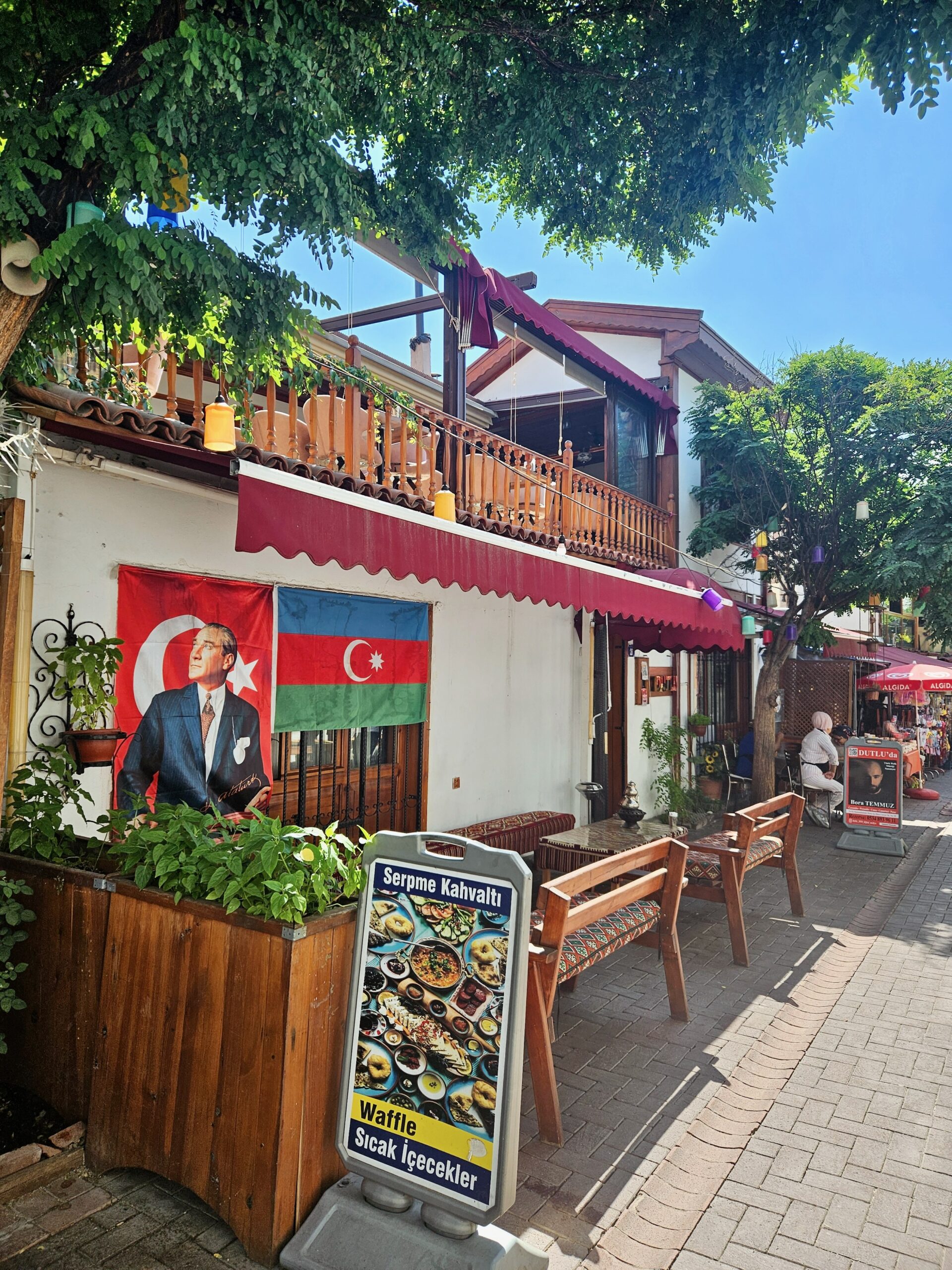
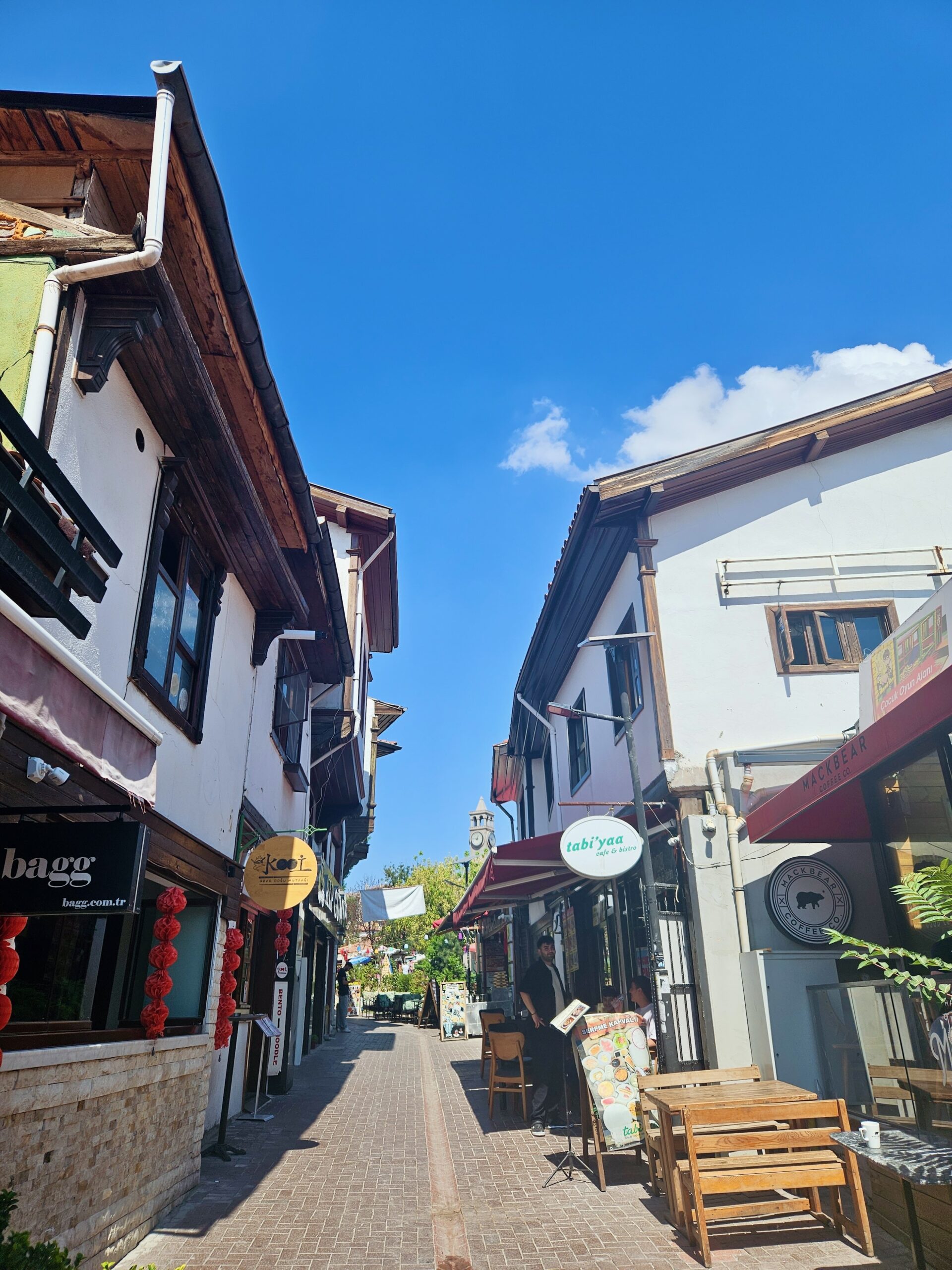
Hamamönü is that part of Ankara where you can briefly forget you’re in a bureaucratic capital. Restored traditional houses in the old Ankara style, narrow lanes, lots of wood and white façades — all full of details that look great both in person and in photos. The whole area has gone through a serious revitalization and is now a pedestrian zone filled with restaurants, cafés, tea houses, ice cream stands, lokum shops, and handicraft stores. It’s more of a relaxed walk-and-coffee vibe than a “serious sightseeing” kind of place.
Atatürk Mausoleum
🇹🇷 Anıtkabir / 📌 Pin on Google Maps – click here.
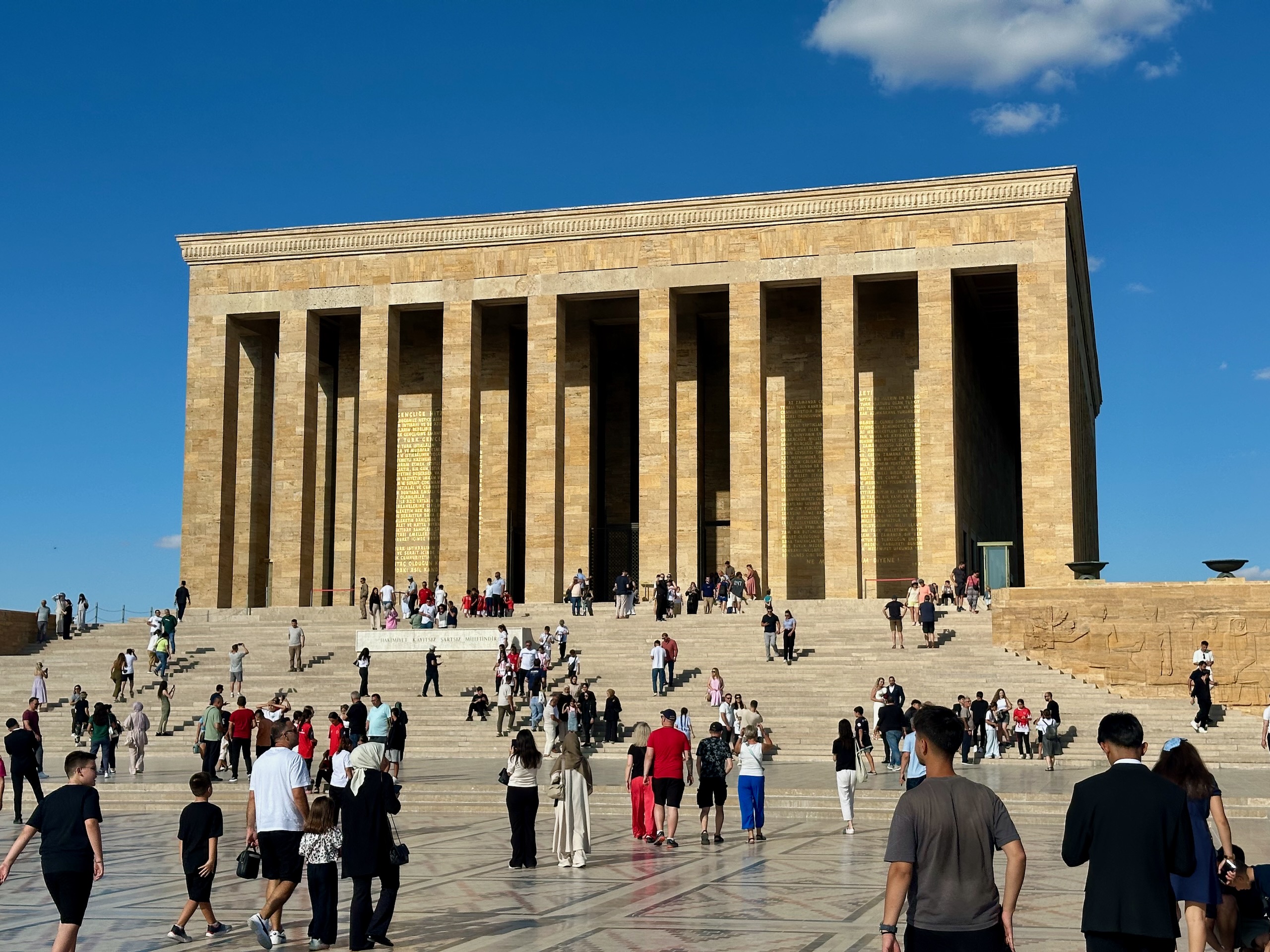
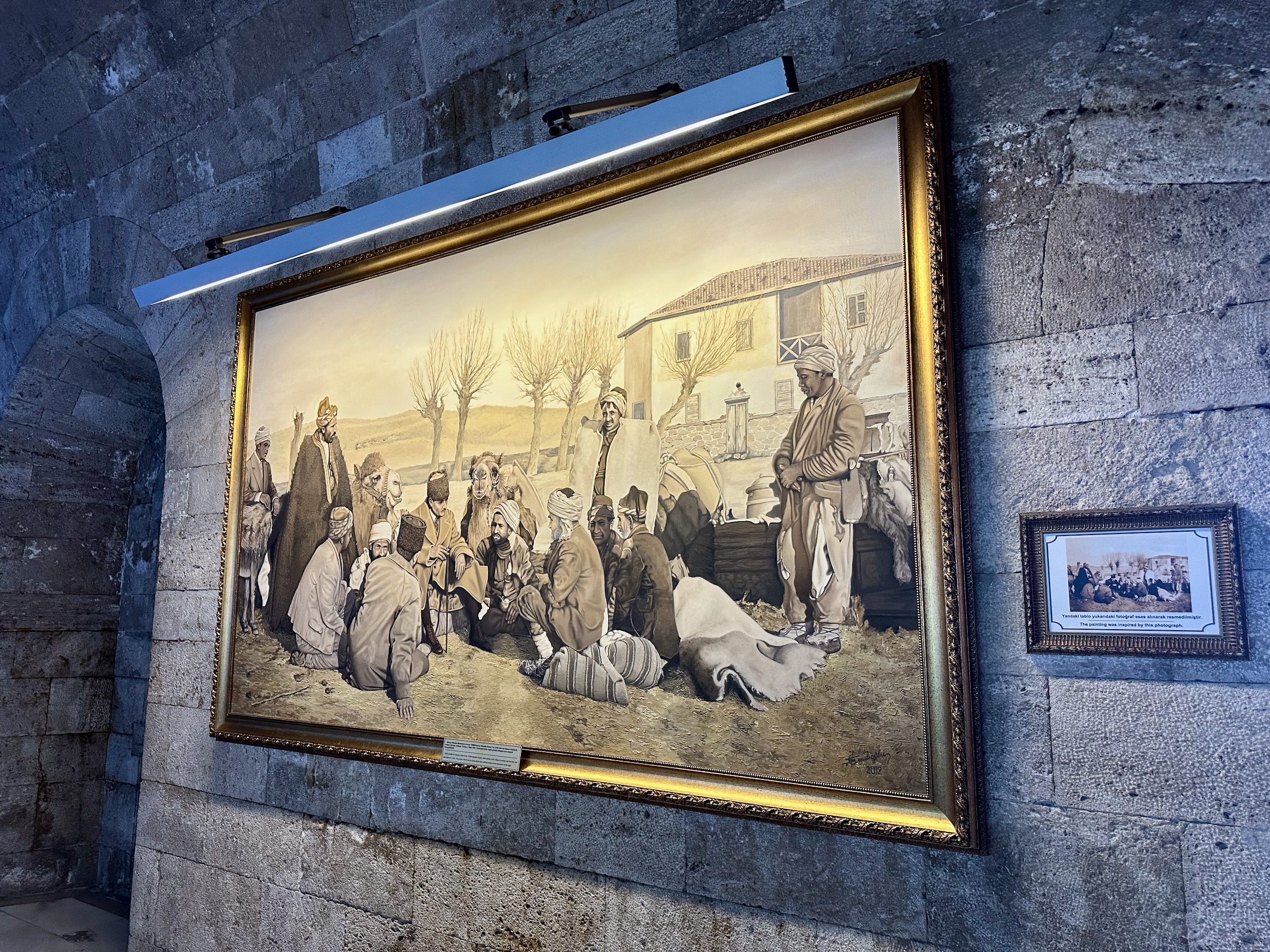
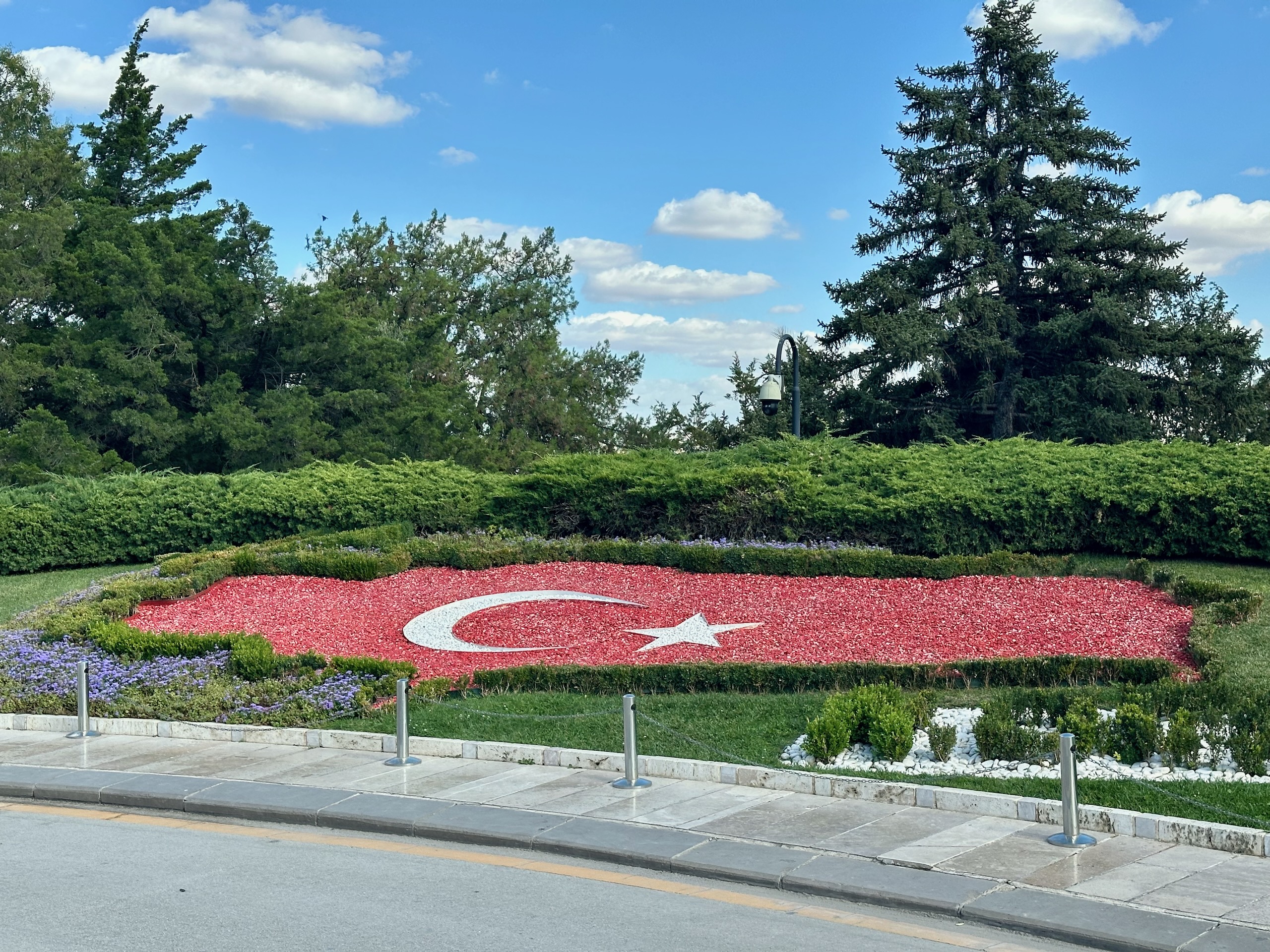
Anıtkabir is the most important address in Ankara — even if you’re not particularly into politics or Turkish history. The complex stands on Rasattepe Hill in the Çankaya district and serves as the final resting place of Mustafa Kemal Atatürk, the founder of the Republic of Turkey. It was built following an international architectural competition, with the winning design by Turkish architects Emin Onat and Orhan Arda. Construction lasted from 1944 to 1953.
The site is much more than just the mausoleum itself. You reach it via the Lion’s Road (Aslanlı Yol), which leads to a vast Ceremonial Plaza, the Hall of Honor with Atatürk’s sarcophagus, a museum dedicated to him and the War of Independence, and the surrounding Peace Park, planted with trees from various countries. The architecture is simple and monumental, without excessive ornamentation — more “state solemnity” than “religious grandeur”.
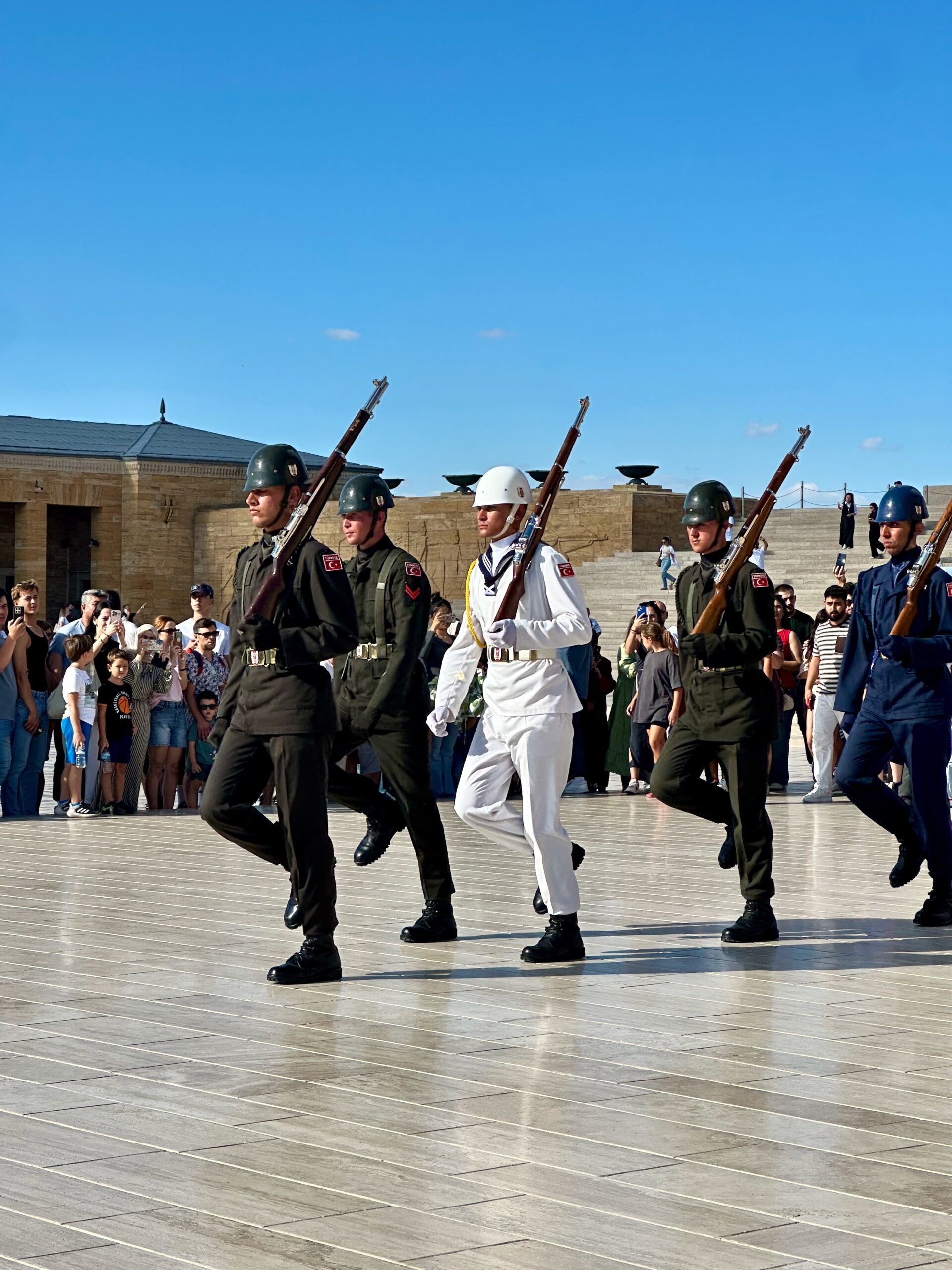
A formal changing of the guard takes place at the mausoleum — an official military ceremony held several times throughout the day and a popular sight among visitors. The exact times can vary by season, so it’s best to check the posted schedule on-site or look it up on the official website before your visit.
Entrance to Anıtkabir is free of charge — a pleasant surprise considering the scale of the site and the museum inside.
Kocatepe Mosque
🇹🇷 Kocatepe Mosque / 📌 Pin on Google Maps – click here.
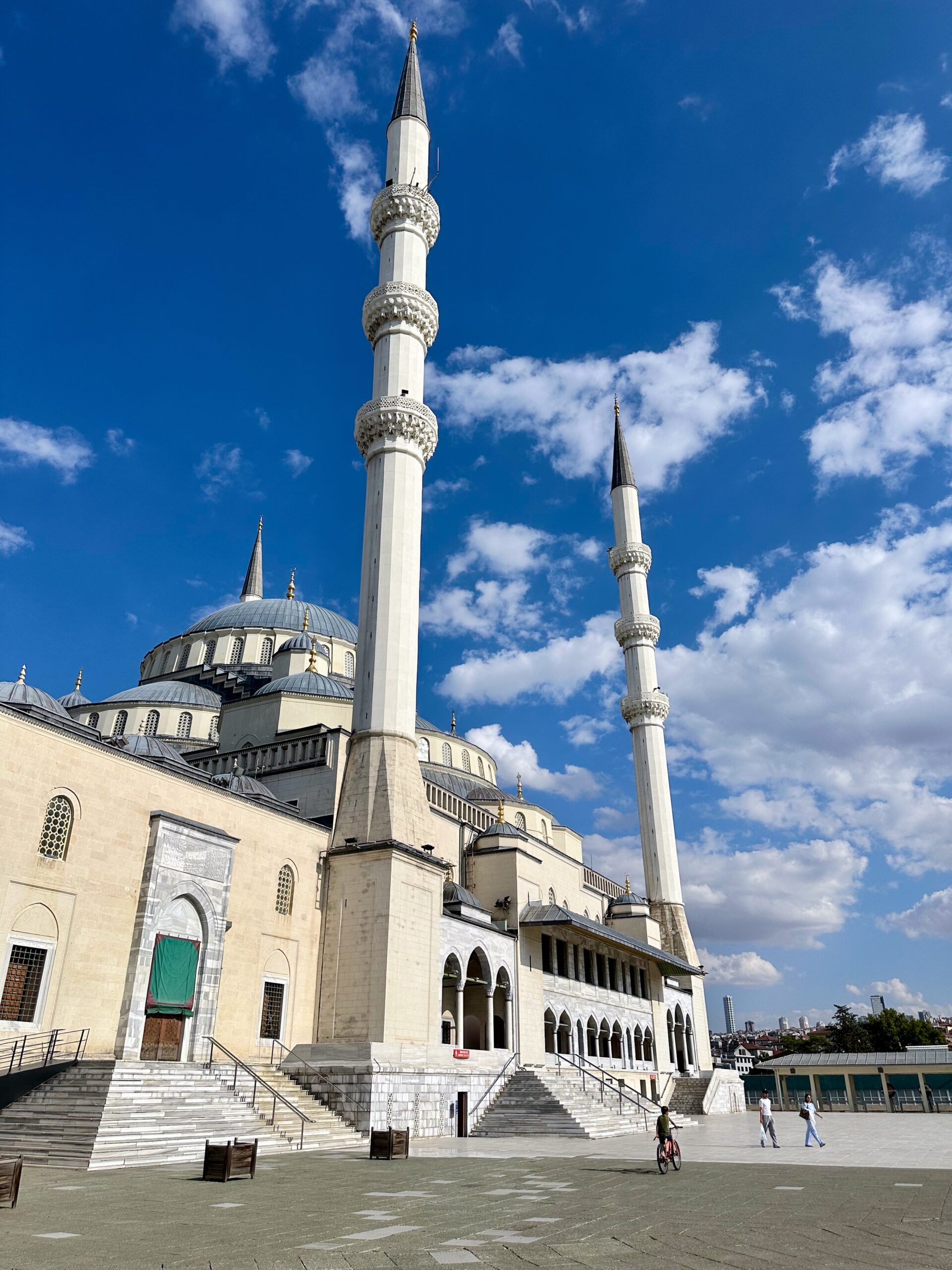
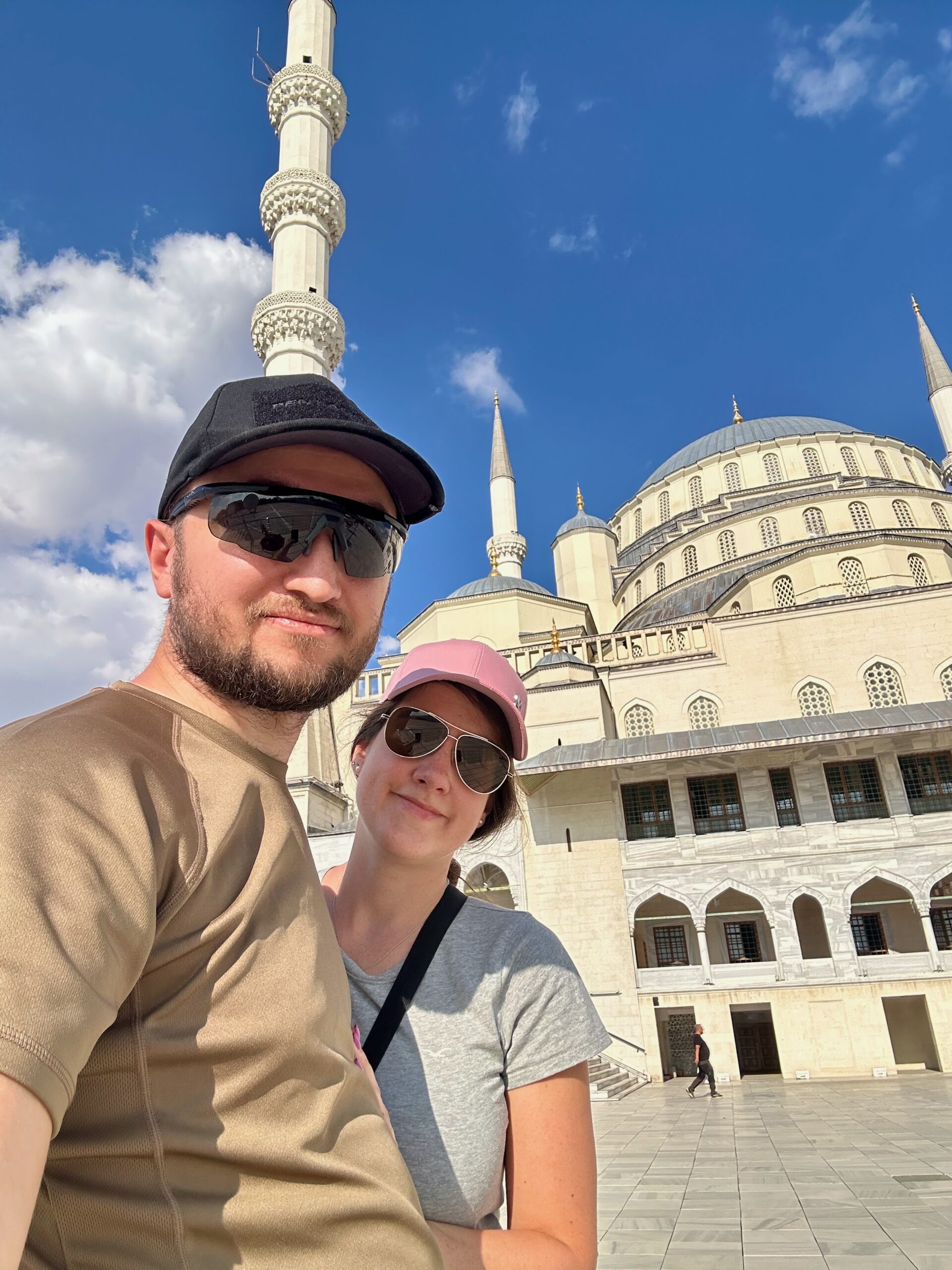
Kocatepe Mosque is the largest mosque in Ankara and one of the city’s most recognizable landmarks. Standing on a hill near Kızılay, its massive dome and four tall minarets are visible from far away as you move around the city center.
Construction began in 1967 and was completed in 1987. The mosque was built in a traditional Ottoman style — domes, arches, and four slender minarets — clearly echoing the design language of Turkey’s most iconic mosques.
We made it up here at the point when our legs had already had enough of all the uphill walks — so yes, just getting to the mosque can be a workout. On top of that, we happened to arrive during a funeral, which was a good reminder that this is first and foremost an active place of worship, not just a photo backdrop. In practice: if you’re already planning to explore Kızılay and the surrounding area, it’s worth the short detour to see its scale and grab a few shots. It’s not a destination to plan an entire day around, but it fits perfectly as part of a city-center route.
Concert hall of the Presidential Symphony Orchestra
🇹🇷 CSO Concert Hall / 📌 Pin on Google Maps – click here.
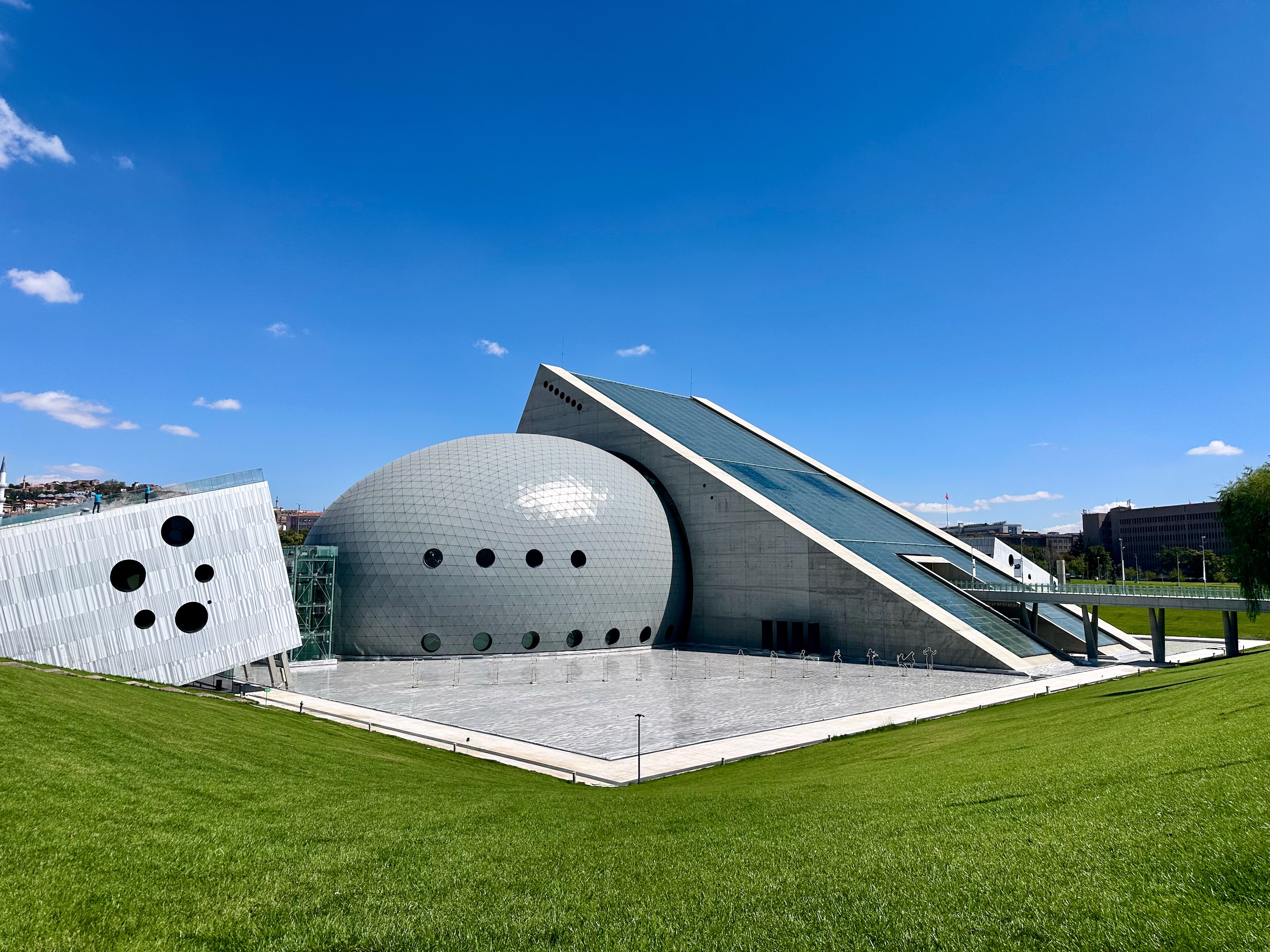
We passed this spot while walking between the city center and the area around the opera and train station. We didn’t go inside, but even from the outside it stood out — something completely different from the usual “official Ankara” vibe.
CSO Konser Salonu (CSO Ada Ankara) is the new home of the Presidential Symphony Orchestra — a large complex opened in 2021, designed by Semra and Özcan Uygur following an architectural competition. The campus consists of several distinct structures: an oval-shaped main concert hall for around 2,000 people, a smaller spherical hall for chamber performances, the orchestra’s historic building, and an open plaza area with a water feature and pedestrian walkways.
The whole complex sits on an axis between Anıtkabir and Ankara Castle, intentionally designed not to block the view of either landmark. Up close, it feels like a mix between a cultural center and a modern public space — lots of concrete and glass, with bold geometric shapes that make it easy to see a touch of “modern art”, even if officially it’s just architecture blended with landscape design.
Summary
Ankara more than holds its own as a travel destination — even if, on the map, it might look like “just” a capital somewhere in the middle of the country. We focused mostly on places you can reach on foot from the city center, and that alone was enough to get a feel for the city: a mix of history, a few grand national symbols, some genuinely well-done museums, a couple of beautifully restored corners, and views from the castle that really put the scale of this capital into perspective.
We’ll probably venture out to the outskirts someday, but even this first encounter with Ankara confirmed one thing: it was absolutely worth leaving the main route. It’s calmer than Istanbul, less hectic, less touristy noise, still great food, and enough to see and do to stay busy for a solid one or two days.
If you’re planning your own trip to Turkey and want to go beyond the “standard” Istanbul-and-the-coast combo, Ankara is a solid choice. For more practical info and our other stories from Turkey, check out the rest of our blog — we’ve shared plenty of logistics, routes, and a few tales from the road there.